

If someone watched you for a week, would they believe you are serious about your goals? Would they see discipline, effort and consistency? Or would they see distractions, procrastination, and wasted time? You don’t have to tell people what you want, as how you spend your days already does. Contact me via email for a confidential one-to-one meeting.
The 3 C’s of trust

How do I move out of a reactive state?
Coaching is a partnership designed to inspire creativity, openness, and curiosity. When I’m coaching, I focus on creating the conditions where people can step out of reactivity and into a more reflective, resourceful state. One of the key elements is trust—an emotion that signals, “Am I safe?” Without trust, it’s difficult for anyone to move from defence into openness. I think when trust is present, we can shift from reacting to creating.
I work with the 3 C’s of trust:
Competence - Does this person know what they’re talking about?
Coherence - Do they show up today the same way they did yesterday?
Care - Are they on my side? Do they genuinely see me as a human being, and does that matter to them?
Change your perspective

Have you ever felt stuck in a rut, unable to reach your goals despite your best intentions?
It happens to the best of us. The good news is that change is always within reach, but it rarely comes from one big breakthrough moment. Instead, it’s built day by day, through the small, consistent actions that shape who we become.
Your habits are the secret ingredient, they are the bridge between your intentions and your results. When your daily routines align with your vision, progress becomes inevitable. And when they don’t, even the most inspiring goals can feel out of reach.
I think the shift starts with awareness, seeing which habits serve you and which hold you back, and then committing to steady, intentional change. Over time, those changes compound, creating momentum that makes achieving your goals not only possible, but sustainable.
““Success is a product of daily habits, not once in a lifetime transformations.””
Change is always within reach

Katleen Vanacker ©
If your team observed you for a week, would they believe you are serious about your goals and theirs? Would they see discipline, focus, and consistency? Or would they see distraction, delay, and lost momentum?
As a leader, you don’t have to tell people what matters to you. Your daily actions already set the tone for the culture, pace, and performance of the team. Lead in a way that makes commitment visible and watch it inspire the same in others.
Coaching works differently

In traditional problem-solving, especially among engineers and managers the process often looks like this: you identify the problem, determine the solution, and then tell people what needs to be done. Coaching works differently. We don’t start by diagnosing the problem for you and prescribing a solution. Instead, we help you clarify what the real challenge is, explore your own options, and identify the solution that fits your context and strengths. Then, we support you as you put that solution into action. This approach ensures that the solution is not only effective but also owned and driven by you, thus making it far more likely to succeed.
The referral business

Why would a colleague recommend your coaching business to an HR leader?
I think they will only do so if it enhances their own credibility and expands their influence in shaping people and culture outcomes. HR professionals are often seen as trusted advisors within an organisation. When they introduce a coach to a leader or team, it’s not just a referral, it’s a reflection of their ability to identify meaningful, high-impact development solutions.
To earn that level of trust, you need to build a coaching practice that delivers real transformation. One that helps leaders grow, creates space for honest reflection, and aligns with business outcomes. HR leaders are far more likely to recommend a coach who addresses the challenges they care about most: inclusive leadership, resilience, emotional intelligence, and sustainable performance. When your coaching creates value at this level, HR leaders won’t just refer you, they will advocate for you because your success reinforces theirs.
““The more you practice your work, the better it will be. Practice opens channels of possibility in the brain.””
It's complicated

Transforming entrenched cultural systems takes time and sustained commitment as they do not shift easily or quickly. True value often arises from scarcity; when something becomes widespread, its strategic significance tends to diminish. Leaders must ask: where are the real constraints, and how can we create value within them?
I think one should strive to be the kind of leader whose presence elevates the work, someone whose absence would be deeply felt. Bring emotional intelligence, critical insight, and seasoned judgment to every interaction. This is not about shortcuts; it’s about pursuing meaningful, lasting impact. If you are seeking an accountability or progression partner for your leadership journey, feel free to reach out via email.
More speed less haste

Most of what people are rushing to do isn’t actually urgent. And in today’s fast-moving environment, urgency can feel like the default setting. As a leader, your power lies not in keeping up with everything, but in your ability to slow down and think clearly when everything around you is speeding up. This is where emotional intelligence (EQ) becomes critical.
““You should meditate every day and if you don’t have time, you should meditate more.” ”
Time is the great equaliser

AI generated image
I have always been fascinated by how people use their time, especially those who claim they don't have enough of it, because, after all, we all have the same 24 hours in a day. In the West, there's a deep obsession with productivity; we often judge ourselves and others by how much we get done. While I appreciate productivity and enjoy the art of intentional strategy and optimisation, I also value the ability to switch off and rest. For me, taking a break is an act of self-kindness. On the other hand, I recognise that when your sense of self-worth is tied to how productive you are, it can be incredibly difficult to embrace rest without guilt. Contact me via email for a “free” 30 minute discovery call.
Mastering the mind

Zyanya Citlalli ©
In a world of constant change, uncertainty, and pressure to perform, grounded leadership requires more than just technical skill or vision. It requires deep inner work and a commitment to something bigger than yourself.
I often encourage the leaders I coach to focus on two things:
1. Mastering the mind
2. Serving others
Mastering the mind isn’t just about mental sharpness, it’s about emotional discipline. Leadership will inevitably trigger moments of envy, ego, impatience, or self-doubt. The real challenge is learning to observe those emotions without letting them drive your decisions. I think mastery means developing the inner resilience to choose clarity over chaos, humility over pride, and purpose over impulse. It’s not about perfection, it’s about awareness, regulation, and growth. What do you think?
The fear of change
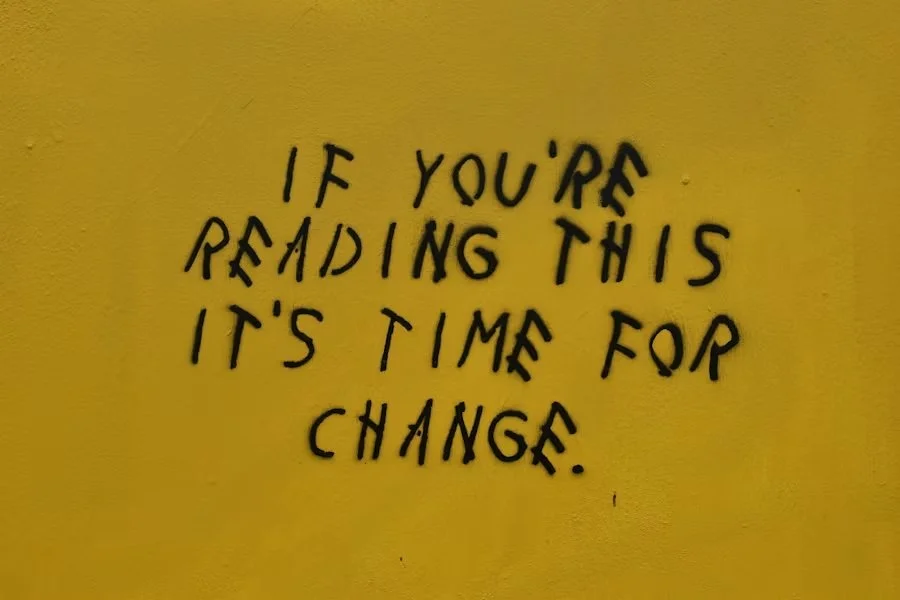
I have been studying the fear of change, both in myself and in the people I coach. What I have discovered is as startling as it is deeply human: our resistance to change isn’t just a mindset. It lives in our nervous system, our habits, and even our sense of identity, because change often feels like a threat to our safety. Even when something no longer serves us, whether it’s a job, a relationship, or a way of thinking, we often cling to it simply because it’s familiar. Sad but true… If this resonates, contact me via email to book a free 30-minute discovery call.
““The free soul is rare, but you know it when you see it - basically because you feel good, very good, when you are near or with them.””
Trusted sparring partner

As an executive coach, 95% of my clients engage me as an accountability partner, someone who challenges them to follow through, think strategically, and stay focused. The remaining 5% primarily seek progression support, though I continue to offer accountability and act as a trusted sparring partner. I create a confidential, non-judgmental space where leaders can be vulnerable, gain clarity, and reflect openly. This approach is especially valued by those navigating high-stakes environments, leading complex teams, or undergoing personal transitions.
Managing relationships

I recently came across the concept of relational intelligence, described as the ability to understand, navigate, and effectively manage interpersonal relationships. I think this is how trust is built, inclusion is felt, and where safety becomes the norm rather than the exception.
Perhaps it’s time for leaders to turn to their HR partners and ask the deeper, more human questions:
- Do my team members, especially those with less positional power, feel seen, heard, and valued?
- How do I react when someone gives me hard feedback?
- Have I made space lately for challenge, dissent, or alternative viewpoints?
- Am I showing people I care about who they are, not just what they produce?
These are not just performance questions, they are relational ones, and they might be the key to unlocking safer, stronger teams.
Coaching isn’t magic

Alan Mulally, the legendary former CEO of Ford and Boeing Commercial Airplanes, is often held up as one of the most effective leaders of our time. His approach was grounded in humility, discipline, transparency, and an unwavering commitment to developing people. Marshall Goldsmith, the world-renowned executive coach, once shared a simple but profound lesson he learned from Mulally:
““If you work with great, dedicated, committed leaders who want to keep getting better, your coaching process will ALWAYS work. If you work with leaders who have no real interest in improving, your coaching process will NEVER work.””
This observation cuts through all the noise about methods, credentials, and frameworks. I think at its core, growth requires a genuine desire to change, and no amount of expertise or clever process can make someone evolve if they don’t want to.
Thinking outside the box

c/o LinkedIn
Things are rarely black or white, especially when you are working with people. Everyone has different personalities, career paths, and generational perspectives. I focus on understanding people, while others might focus on numbers. It can be hard to merge these views, but it's essential because people drive the numbers, and the numbers depend on the people. If we don’t recognise these different perspectives or stay open-minded, educating the C-suite becomes even harder. I think one of the biggest challenges is that leadership teams now include new roles and titles that add another layer of complexity. This means we need to invest extra effort in helping everyone understand and align.
Respecting our differences

I work with each individual to truly understand who they are. By doing so, I aim to value the differences among employees, rather than trying to make everyone alike. We need to embrace these differences as strengths, not weaknesses. It's time to stop forcing everyone and everything into the same diversity initiative. Not everyone needs to be included in every effort in the same way. Inclusion isn’t about sameness, it’s about recognising, respecting, and leveraging what makes each of us unique.
““Ordinary things, consistently done, produce extraordinary results.””
Matter of fact

I’m sorry to say it, but education and training alone do not equal intelligence. As a DEIB advocate, I believe that diversity intelligence deserves to sit alongside intellectual intelligence (IQ), emotional intelligence (EQ), and cultural intelligence (CQ). Too often, people misunderstand the differences across and within cultures. To treat all employees fairly, honestly, and with integrity, we need to develop the intelligence to understand the full picture: IQ, EQ, CQ—and the policies, rules, and laws that shape them.
I think both formal leaders and those leading without a title must learn to recognise difference, not as a threat or obstacle, but as a reality of the modern workplace. Being different doesn’t mean being less capable, and it shouldn’t get in the way of performance. I encourage you to reflect, look at your own actions, and examine your biases, because that’s where inclusion starts.
Executive coaching

I see coaching as the ability to further your learning and development by understanding your goals, challenging you, giving you timely feedback, and offering you my support. My executive coaching is a powerful catalyst for your personal and professional growth. As you are already an exceptional performer, my executive coaching will help you uncover blind spots, strengthen your leadership skills, and focus on specific areas to optimise your performance. I will be your trusted partner, guiding you through a process towards a deeper understanding of yourself, sharpening your decision-making abilities, supporting your transition into a new role, and preparing you to take on more responsibilities.
Are you ready to embark on a transformative journey that fosters continuous learning, self-mastery, and the realisation of your career objectives? If so, contact me via email to schedule a free 30 minute discovery meeting.
Bringing dreams to life

It takes D.R.E.A.M to achieve the extraordinary:
Discipline – Stay focused even when it’s hard.
Routine – Build daily habits that move you forward.
Education – Never stop learning and growing.
Action – Turn plans into reality with relentless effort.
Mentality – Cultivate a mindset that refuses to quit.
I think turning dreams into reality isn’t magic, it’s a D.R.E.A.M.
Seek to understand

Open-minded people do not care to be right; they care to understand. For them, the goal isn’t to win an argument but to expand their perspective. There is never simply a right or wrong answer, everything is about understanding. I think it’s also worth considering: while understanding is vital, there are times especially in matters of justice, science, or safety when distinguishing between right and wrong becomes necessary. And even in those cases, approaching the issue with a mindset of seeking understanding can lead to more compassionate and effective outcomes.