inclusion

Inclusion is reflected in behaviour

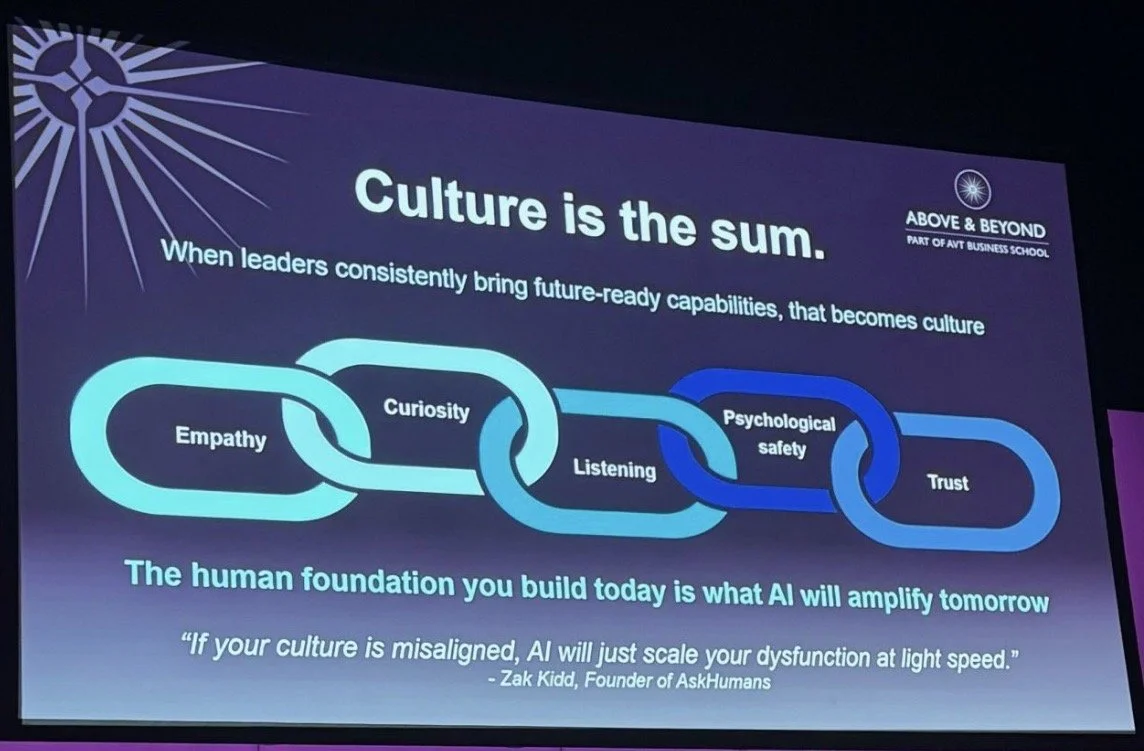
The work of inclusion begins when leaders move beyond assumption and start paying attention to the experiences that are often invisible to them. It is visible in who gets opportunities, who feels psychologically safe to contribute, whose perspectives are valued, and whether people can succeed without suppressing important parts of their identity. Organisations that focus only on diversity metrics without addressing inclusion risk creating environments where representation exists, but belonging does not.


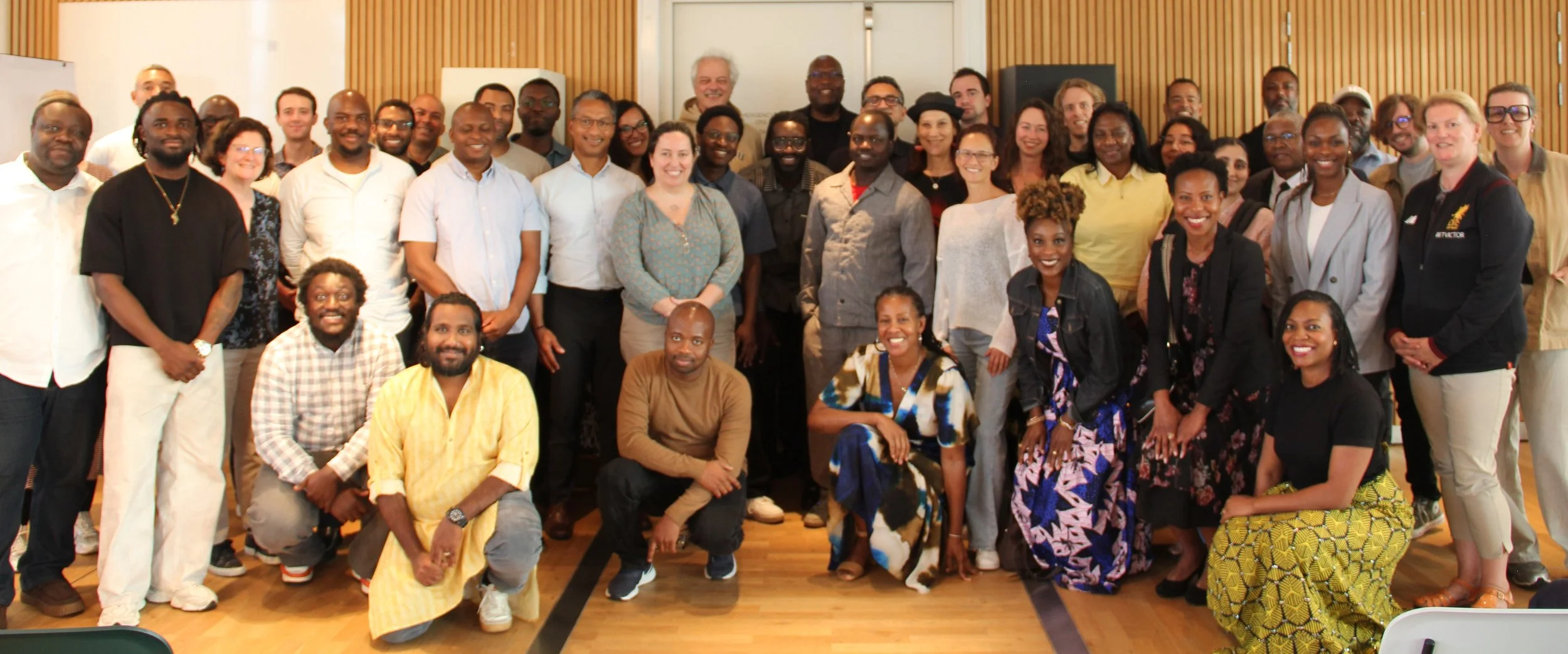
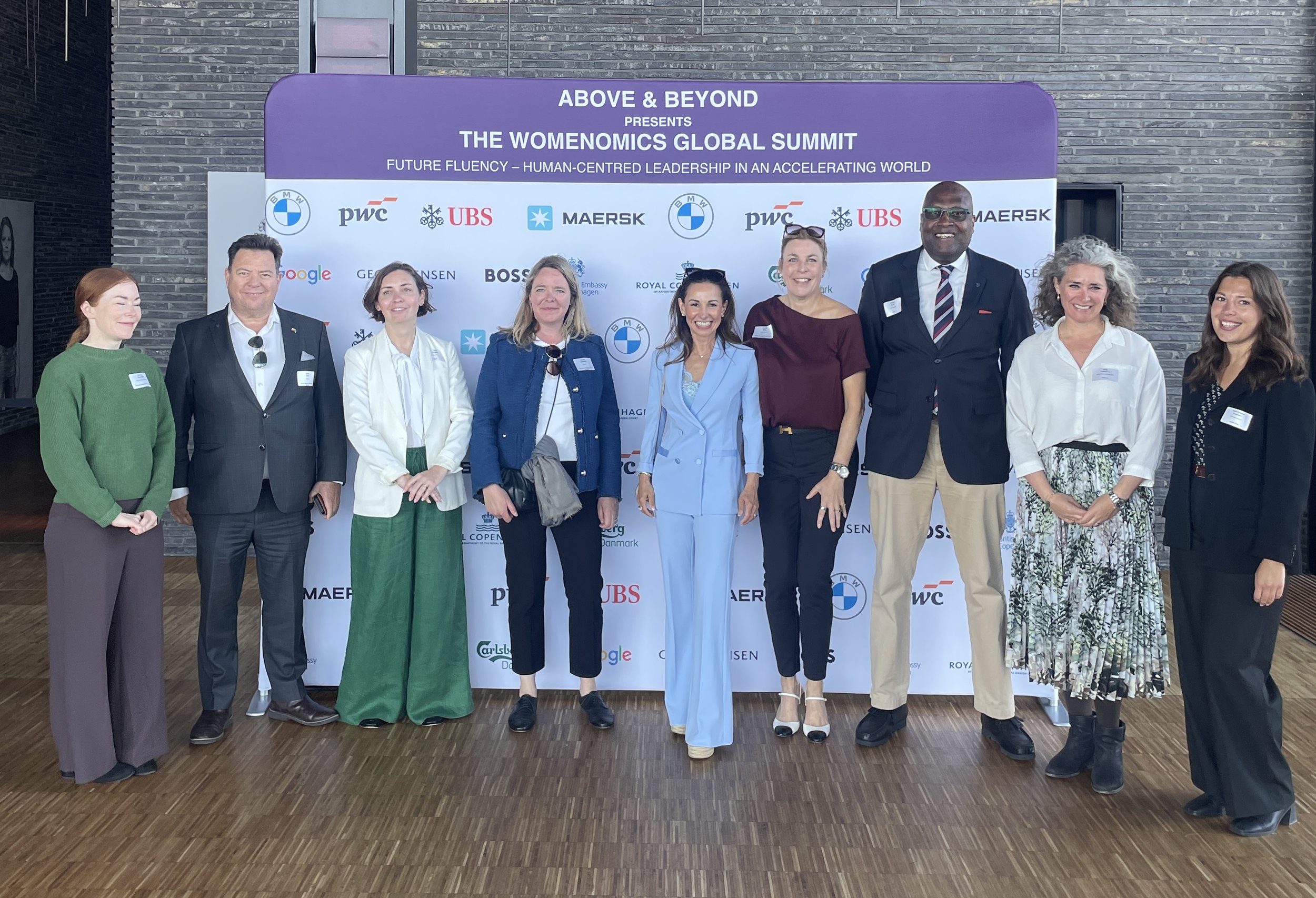
BCCD at Womenomics

Inclusion is often misunderstood because, unlike diversity, it is not always visible. Diversity is about representation, what we can see and measure. Inclusion is about experience, how people feel, whether they are heard, respected, valued, and able to participate fully. I think diversity is often the outcome organisations seek, while inclusion is the behaviour and environment that make those outcomes possible.


Resistance is real

Many people still perceive inclusion work as “soft” or disconnected from business performance, often assuming it may negatively impact the bottom line. In my experience, this is why it is important to anchor DEIB work in outcomes that matter to the organisation. This is not only about creating environments where people feel valued, although that matters. It is also about strengthening talent acquisition, improving retention, enhancing collaboration, and increasing diversity of thought.

I think organisations that create space for different perspectives are often better positioned to innovate, challenge assumptions, and protect themselves against groupthink. The conversation around inclusion becomes far more effective when leaders understand that it is not separate from performance and culture, but directly connected to both.


Inequality is visible

If you are operating in an organisation where people are treated differently, the signals are visible. Retention rates vary, performance outcomes are inconsistent, and patterns begin to emerge across groups. This is not incidental, it is an indication of inequality and will be reflected in the outcomes people experience within the organisation.

When these disparities exist, they come at a cost. Individuals are less likely to perform at their full potential, and their sense of belonging is weakened. Over time, this leads to disengagement and, ultimately, attrition. For leaders and HR professionals, the question is not whether inequality exists, but whether it is being recognised, understood, and addressed with intention.


Guidance and protection

My work centres on identifying underrepresented talent and supporting organisations to design systems that work for all talent. I did not benefit from diversity programmes. I progressed in my career despite encountering both overt and subtle bias in professional environments. This perspective is shaped by lived experience and decades of strategic work in organisational inclusion. Therefore, when I speak about diversity initiatives, I do so from both professional expertise and personal insight.


Celebrating differences

In my experience, organisations stall when inclusion feels risky or undefined. Progress accelerates when leaders commit first, assess where they truly are, and ground the work in a shared reflection on why belonging matters now. Starting there allows the conversation to move beyond permission and into purpose, creating a strong bridge into the DOQ framework and sustainable change.


Inclusion isn’t an event

Denmark is facing a significant challenge in retaining internationals with Copenhagen Capacity’s recent Export Survey 2025, highlighted that 50% of internationals leave within 5 years.

Dansk Erhverv states that internationals contribute over 361 billion DKK to the Danish economy with over 330,000 internationals in full-time employment based on Q1 and Q2 2025 figures. The big question is why is workplace inclusion so hard to implement?


The Unbearable Lightness of Being

Historically DEI has been an add on to HR and people management roles, however, post COVID that has changed and we are seeing more defined roles with clear roles and responsibilities. The path to working in the DEI space can vary significantly, I know plenty of people who entered the space through recruiting, HR, L&D, psychologist, etc. I came in through with my creative identity and commercial experience and simply wanted to make a transition into the DEI space. I think it’s important to identify your existing transferable skills and then work on strengthening the others you don’t have. What do you think?


Speak up

Every now and then, I feel the need to simplify the DEI acronyms and today was one of those days.

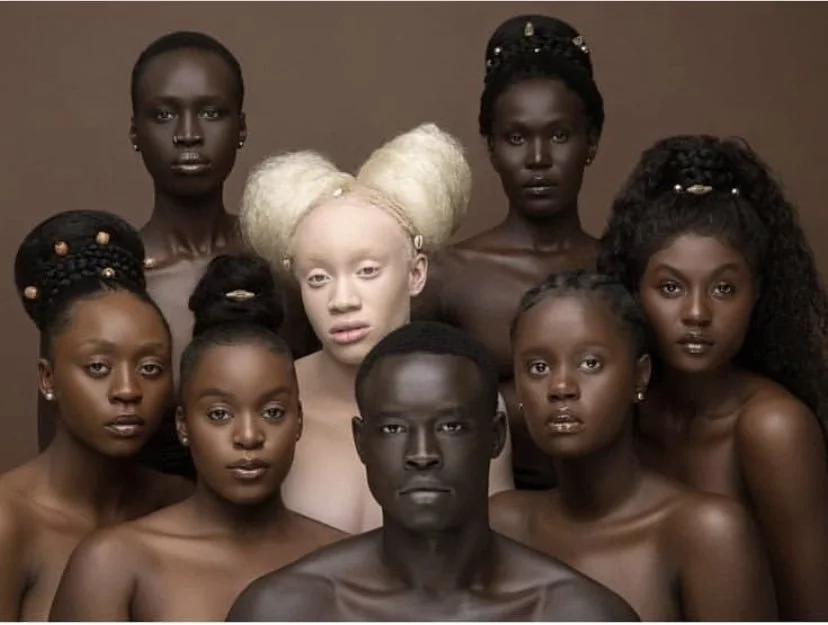
Diversity refers to the presence of different people within a group or organisation, for example, people of different races, cultures, backgrounds, abilities, and identities.

Equity is about fairness and justice, for example, ensuring that everyone has access to the same opportunities by recognising and addressing systemic barriers.

Inclusion is the intentional practice of welcoming, respecting, and valuing people who have historically been excluded, whether due to race, sexuality, ability, or other aspects of their identity.


Respecting our differences

I work with each individual to truly understand who they are. By doing so, I aim to value the differences among employees, rather than trying to make everyone alike. We need to embrace these differences as strengths, not weaknesses. It's time to stop forcing everyone and everything into the same diversity initiative. Not everyone needs to be included in every effort in the same way. Inclusion isn’t about sameness, it’s about recognising, respecting, and leveraging what makes each of us unique.

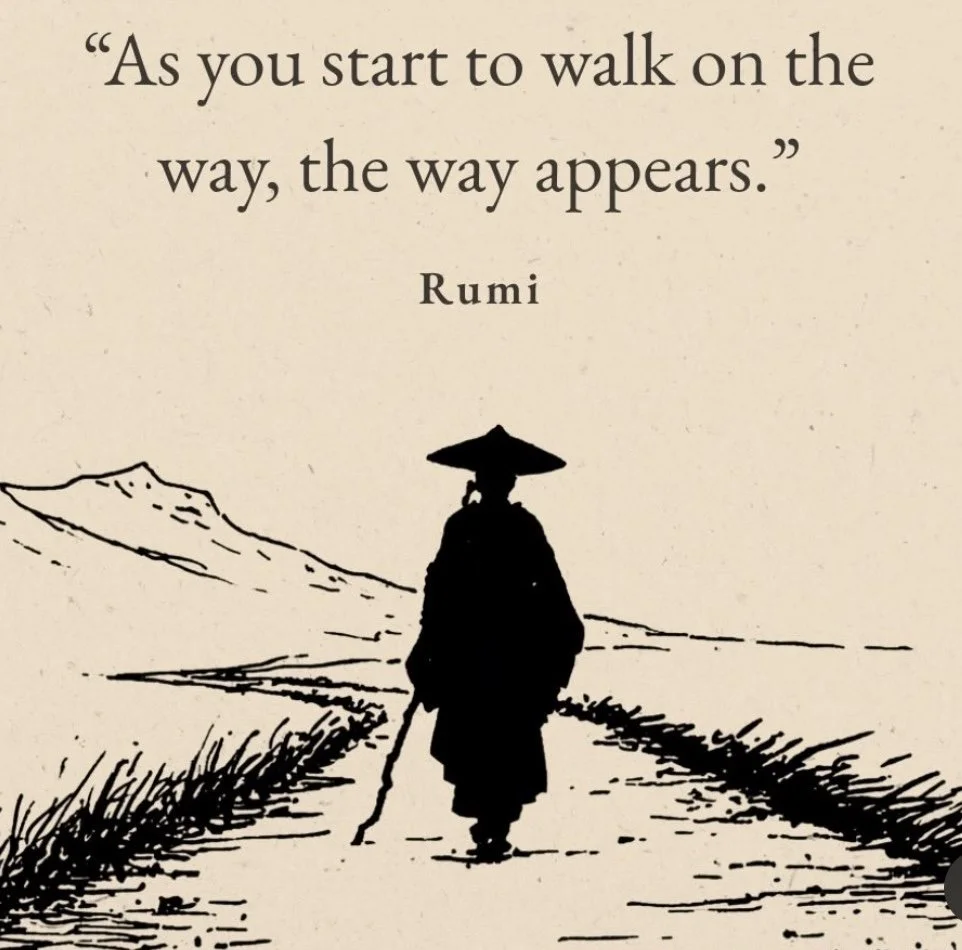
“Ordinary things, consistently done, produce extraordinary results.”
— Keith J. Cunningham

The issues remain

DEI was created because marginalised communities have not always had equal opportunities for jobs or felt a sense of belonging in majority-White corporate settings. In 2023, 61% of US adults said their workplace had policies focusing on fairness in hiring, promotions or pay. I have some questions regarding your DEI policies:

  1. Who is formulating the questions?

  2. How are the answers structured?

  3. Who is providing the responses?

  4. And in what emotional state are they responding?


The game is unfair

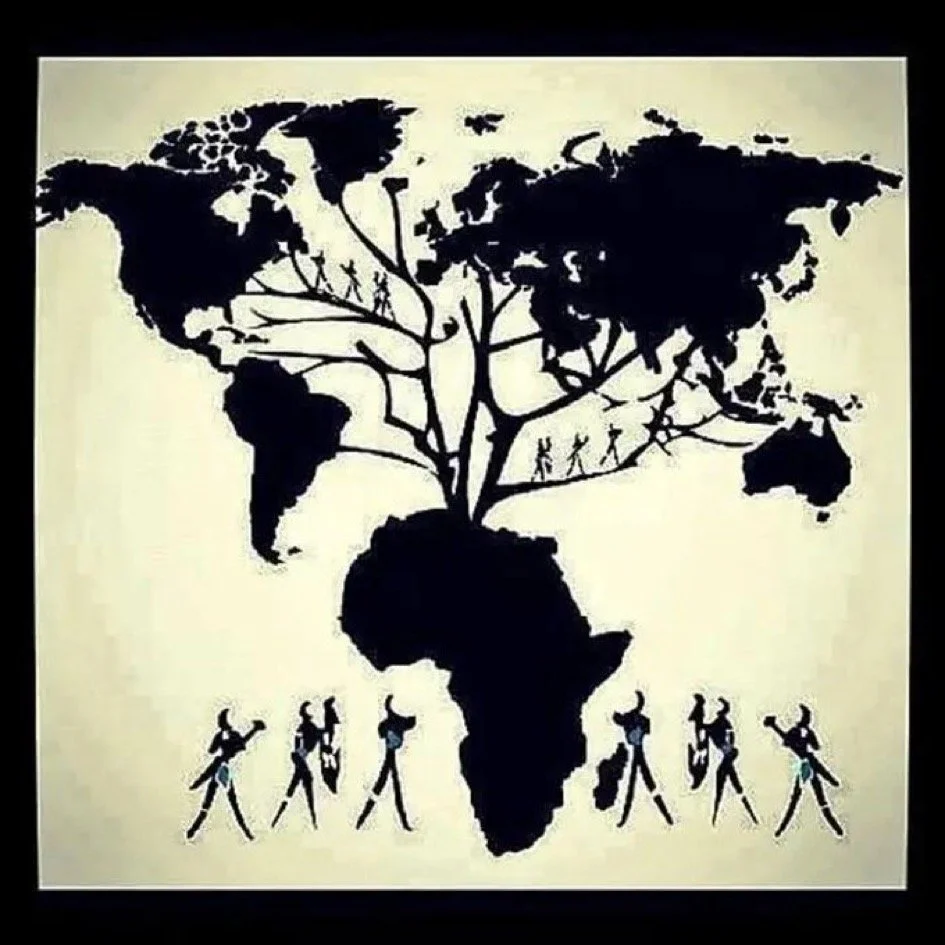
Illustration by Nathalie Lees

Meritocracy assumes that everyone starts from the same position with equal opportunities, but this is clearly not the case for marginalized groups. Structural biases and systemic discrimination often limit access to resources, opportunities, and networks, making it more difficult for these individuals to succeed, even with talent and hard work.

How should I initiate conversations about DEI to effectively highlight these systemic inequities? What’s the best way to address the underlying structures that perpetuate these disparities? And why is removing these barriers essential to truly creating a fair and inclusive environment for all?


What do you think?

Inclusive leadership lies at the heart of DEI, and research shows that 70% of an employee's sense of feeling valued stems from what they see and hear from their leader. To foster this environment, leaders must take ownership and commit to creating programs and policies that make employees feel appreciated and included. I think by embracing inclusive leadership, organisations can unlock the benefits of diverse decision-making, gain new perspectives, and leverage those insights to build a competitive advantage. What do you think?


Guidance and protection

Inclusion starts with intentionality, whether it’s the way I move through the world, interact with others, or create space for collaboration and growth. Just as my personal practices have taught me to trust my body and mind, they have also taught me to trust the value of diverse voices and experiences. The diversity of my being allows me to show up authentically, whether I’m working in a professional setting or connecting with others in my personal life. It reminds me that balance isn’t about perfection but about creating harmony and openness, both within myself and in the world around me.


The hard work starts now

Diversity, Equity, and Inclusion (DEI) initiatives are deeply rooted in principles of change management and organisational development, providing a structural framework for implementing systemic and lasting change. I think working in the DEI space can be emotionally demanding, requiring self-awareness and self-care to prevent burnout. DEI practitioners must remain introspective, recognise their limits, and prioritise their well-being to sustain their efforts. Additionally, expertise in DEI often stems from hands-on experience and a process of trial and error. Many traditional approaches and frameworks are not formally documented, highlighting the importance of continuous learning and adaptability.


It's just a discussion

If everyone is agreeing with you then you are in an echo chamber and you have just chosen the people to speak to. Controversy is just saying something that someone else just doesn’t agree with. I’m never afraid to speak about any subject that I have knowledge about as I only say things that I believe is fair. 
You can book me for workshops, keynote speaking, coaching, DEI trainings or implementation facilitation here.


DEI maturity audit

Are you aware of which phase your organisation currently occupies?
Phase one involves simple awareness and compliance. In phase two, organisations recognise the business benefits of DEI and take action beyond HR and compliance. Moving into phase three, leaders integrate DEI into business processes, measure progress, and hold each other accountable for results. Finally, in phase four, DEI becomes ingrained in the culture, essentially taken for granted as "the way we do business here."
Contact me here, or via e-mail to arrange a DEI maturity audit meeting.


Sharing simple stories

Diversity, Equity and Inclusion (DEI) is on the agenda for every organisation, business, school, government etc., not only because of its business case, but also because it’s the right thing to do. Despite the sudden rise and talk in boardrooms, companies, HR, schools etc., the current DEI landscape still suffers from the lack of global standards in the field, the lack of consensus on how to define and measure success of DEI implementation. The gap between intention and action is growing. Our team of DEI experts understands all of this and are available to help organisations navigate these caveats. Contact me here, or via e-mail to arrange a meeting.