
An organisation may recruit people from different backgrounds and celebrate diversity externally, while continuing to reward only one way of thinking, communicating, leading, or succeeding internally. People are invited into the building, but they are still expected to adapt to norms that were never designed with them in mind. The result is a subtle and an important contradiction. We tell people they belong, yet we continue to evaluate success through a narrow set of expectations that reflect the existing culture rather than embracing the diversity we claim to value. I think this is not simply a question of fairness, it’s also a leadership challenge. If organisations genuinely want the benefits associated with diversity, for example, better decision-making, greater innovation, and stronger problem-solving, then they must create environments where different perspectives can be expressed without requiring people to leave part of themselves at the door.
Inviting people into the conversation
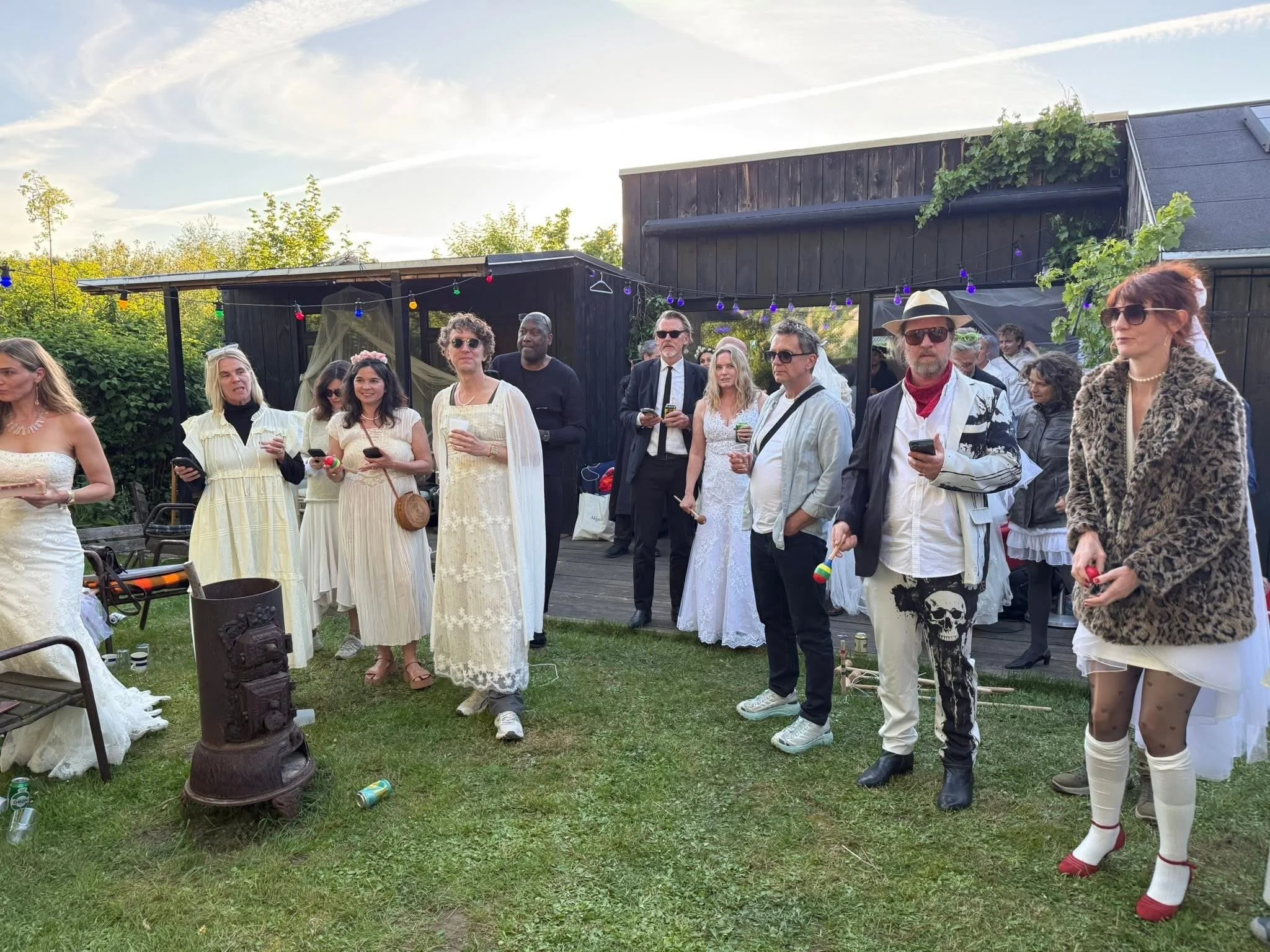
Most of us see ourselves as fair-minded people, and in many cases we are. Yet human beings naturally identify more easily with some people than others. I may feel warmth towards you, for example, while unconsciously questioning your competence or credibility. These subtle biases can influence our decisions even when our intentions are positive. It is also important to recognise that not all biases operate in the same way. Individual prejudice exists, and some biases are reinforced by organisational systems, cultural norms, and historical patterns. The distinction matters because the challenge is often larger than any one individual's beliefs or behaviours.
One of the reasons I think there is so much resistance to diversity and inclusion work is that people often feel they are being told they need to be fixed. Most people do not respond positively to that message. Diversity fatigue can emerge when the conversation is framed around blame, correction, or moral judgment rather than shared benefit and collective progress. Instead, I think we need to invite people into the conversation. We need to engage those in majority or dominant groups as active participants rather than positioning them as part of the problem. The evidence is compelling: diverse teams tend to produce stronger innovation, better problem-solving, and more robust decision-making. These outcomes benefit everyone, not just specific groups.
When I encounter resistance, I try to approach it with curiosity. I ask myself: What could I do differently to invite this person into the conversation? And more importantly, what might I be doing that is contributing to their resistance? As the goal is not to win an argument, the goal is to create an environment where more people want to participate, contribute, and be part of the solution. That is how meaningful and sustainable change happens.
Resistance is real
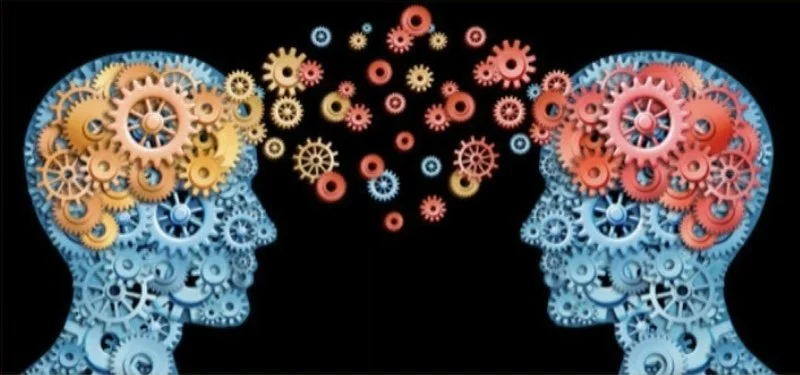
Many people still perceive inclusion work as “soft” or disconnected from business performance, often assuming it may negatively impact the bottom line. In my experience, this is why it is important to anchor DEIB work in outcomes that matter to the organisation. This is not only about creating environments where people feel valued, although that matters. It is also about strengthening talent acquisition, improving retention, enhancing collaboration, and increasing diversity of thought.
I think organisations that create space for different perspectives are often better positioned to innovate, challenge assumptions, and protect themselves against groupthink. The conversation around inclusion becomes far more effective when leaders understand that it is not separate from performance and culture, but directly connected to both.
Onwards and upwards
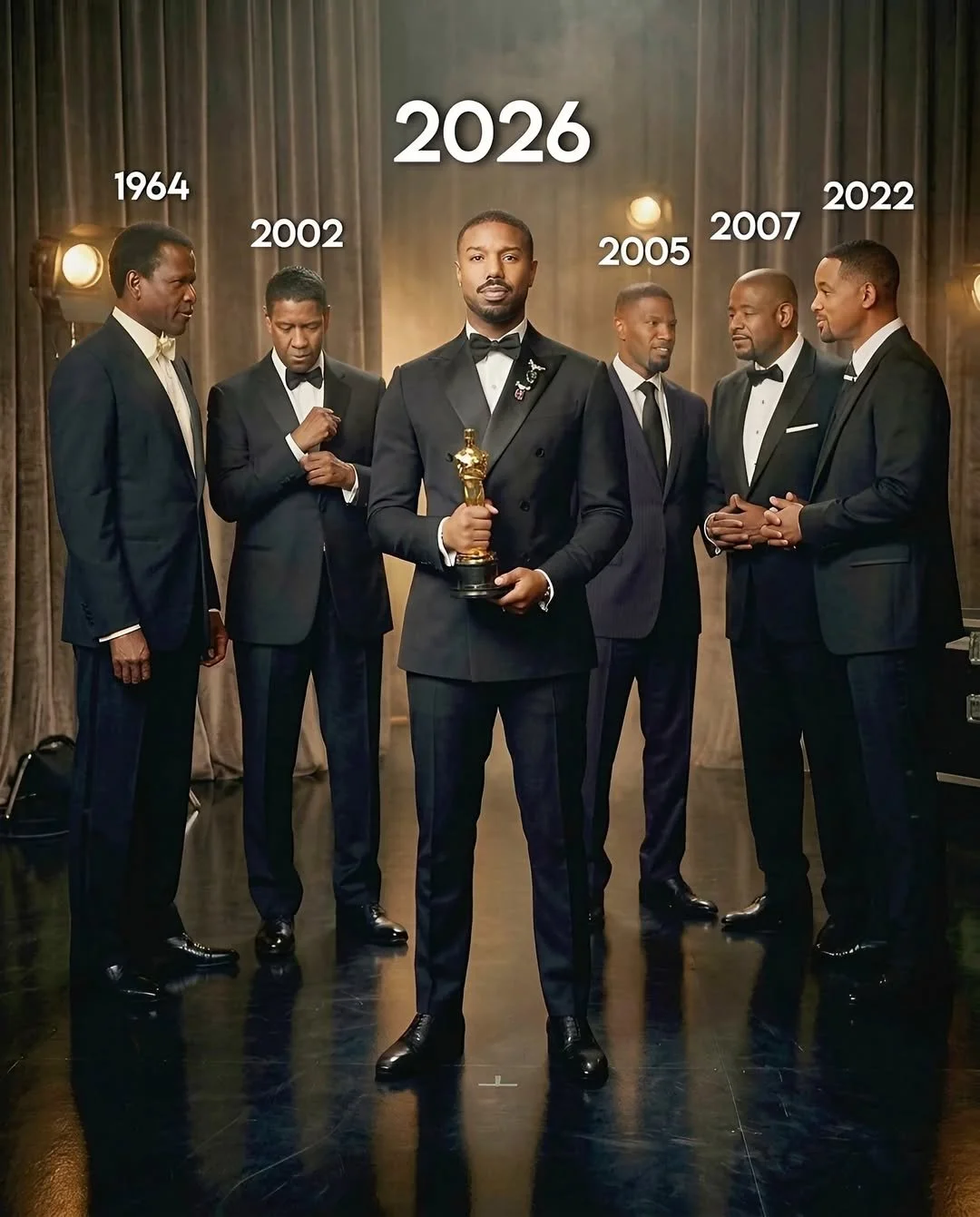
Here is a list of Black men who have won the Oscar for Best Actor:
Sidney Poitier - 1964
Denzel Washington - 2002
Jamie Foxx - 2005
Forest Whitaker - 2007
Will Smith - 2022
Michael B. Jordan - 2026
The Unbearable Lightness of Being
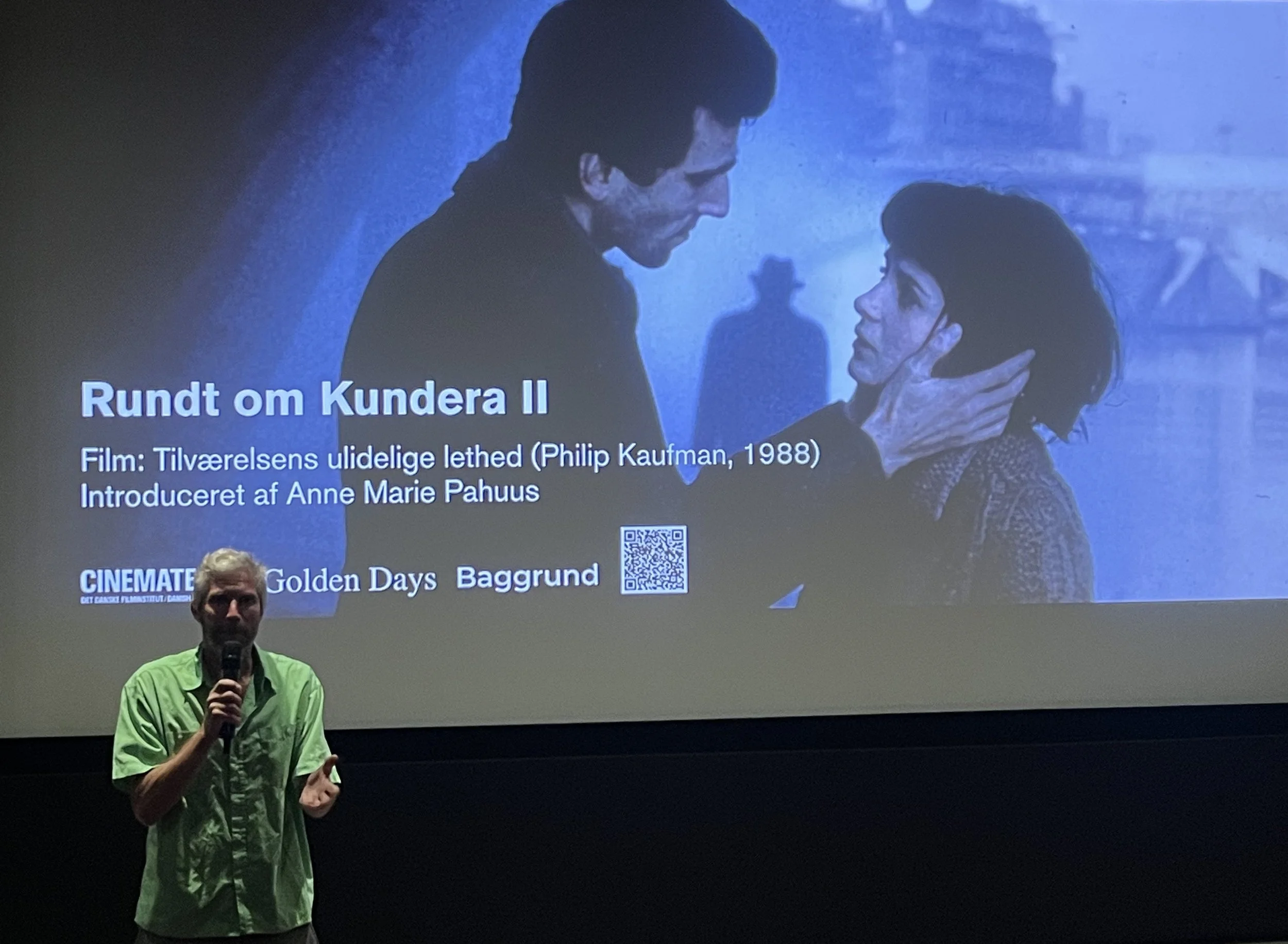
Historically DEI has been an add on to HR and people management roles, however, post COVID that has changed and we are seeing more defined roles with clear roles and responsibilities. The path to working in the DEI space can vary significantly, I know plenty of people who entered the space through recruiting, HR, L&D, psychologist, etc. I came in through with my creative identity and commercial experience and simply wanted to make a transition into the DEI space. I think it’s important to identify your existing transferable skills and then work on strengthening the others you don’t have. What do you think?
Speak up
Every now and then, I feel the need to simplify the DEI acronyms and today was one of those days.
Diversity refers to the presence of different people within a group or organisation, for example, people of different races, cultures, backgrounds, abilities, and identities.
Equity is about fairness and justice, for example, ensuring that everyone has access to the same opportunities by recognising and addressing systemic barriers.
Inclusion is the intentional practice of welcoming, respecting, and valuing people who have historically been excluded, whether due to race, sexuality, ability, or other aspects of their identity.
Being different is good

Embracing individuality is essential for personal growth and contributes to the richness of society. Differences in perspectives, experiences, and backgrounds foster creativity, innovation, and understanding among people.
I think there are three benefits of differentiation:
It’s good for consumers because it offers more meaningful choice.
It’s good for businesses because it helps them stand out and avoid price wars with generic competitors.
It strengthens overall resilience by reducing dependency on commoditised offerings and enabling long-term brand loyalty.
The issues remain

DEI was created because marginalised communities have not always had equal opportunities for jobs or felt a sense of belonging in majority-White corporate settings. In 2023, 61% of US adults said their workplace had policies focusing on fairness in hiring, promotions or pay. I have some questions regarding your DEI policies:
Who is formulating the questions?
How are the answers structured?
Who is providing the responses?
And in what emotional state are they responding?
The game is unfair

Illustration by Nathalie Lees
Meritocracy assumes that everyone starts from the same position with equal opportunities, but this is clearly not the case for marginalized groups. Structural biases and systemic discrimination often limit access to resources, opportunities, and networks, making it more difficult for these individuals to succeed, even with talent and hard work.
How should I initiate conversations about DEI to effectively highlight these systemic inequities? What’s the best way to address the underlying structures that perpetuate these disparities? And why is removing these barriers essential to truly creating a fair and inclusive environment for all?
What do you think?

Inclusive leadership lies at the heart of DEI, and research shows that 70% of an employee's sense of feeling valued stems from what they see and hear from their leader. To foster this environment, leaders must take ownership and commit to creating programs and policies that make employees feel appreciated and included. I think by embracing inclusive leadership, organisations can unlock the benefits of diverse decision-making, gain new perspectives, and leverage those insights to build a competitive advantage. What do you think?
Guidance and protection

Inclusion starts with intentionality, whether it’s the way I move through the world, interact with others, or create space for collaboration and growth. Just as my personal practices have taught me to trust my body and mind, they have also taught me to trust the value of diverse voices and experiences. The diversity of my being allows me to show up authentically, whether I’m working in a professional setting or connecting with others in my personal life. It reminds me that balance isn’t about perfection but about creating harmony and openness, both within myself and in the world around me.
The hard work starts now

Diversity, Equity, and Inclusion (DEI) initiatives are deeply rooted in principles of change management and organisational development, providing a structural framework for implementing systemic and lasting change. I think working in the DEI space can be emotionally demanding, requiring self-awareness and self-care to prevent burnout. DEI practitioners must remain introspective, recognise their limits, and prioritise their well-being to sustain their efforts. Additionally, expertise in DEI often stems from hands-on experience and a process of trial and error. Many traditional approaches and frameworks are not formally documented, highlighting the importance of continuous learning and adaptability.
Diversity questions

I think that leaders create culture, and culture drives behaviour, and behaviour produces results.
Why is our diversity training failing?
What can we do to really drive organisational change?
How do we learn and truly embed change into our organisation?
When we learn about diversity, what are we learning?
How will we create a psychological safe space in our organisation?
If any of the above questions are reflective of what is happening in your organisation, please contact me here, or via e-mail to arrange a meeting.
““If you are free, you need to free somebody else. If you have power, then your job is to empower.””
DEI maturity audit

Are you aware of which phase your organisation currently occupies?
Phase one involves simple awareness and compliance. In phase two, organisations recognise the business benefits of DEI and take action beyond HR and compliance. Moving into phase three, leaders integrate DEI into business processes, measure progress, and hold each other accountable for results. Finally, in phase four, DEI becomes ingrained in the culture, essentially taken for granted as "the way we do business here."
Contact me here, or via e-mail to arrange a DEI maturity audit meeting.
Sharing simple stories

Diversity, Equity and Inclusion (DEI) is on the agenda for every organisation, business, school, government etc., not only because of its business case, but also because it’s the right thing to do. Despite the sudden rise and talk in boardrooms, companies, HR, schools etc., the current DEI landscape still suffers from the lack of global standards in the field, the lack of consensus on how to define and measure success of DEI implementation. The gap between intention and action is growing. Our team of DEI experts understands all of this and are available to help organisations navigate these caveats. Contact me here, or via e-mail to arrange a meeting.
How people think?
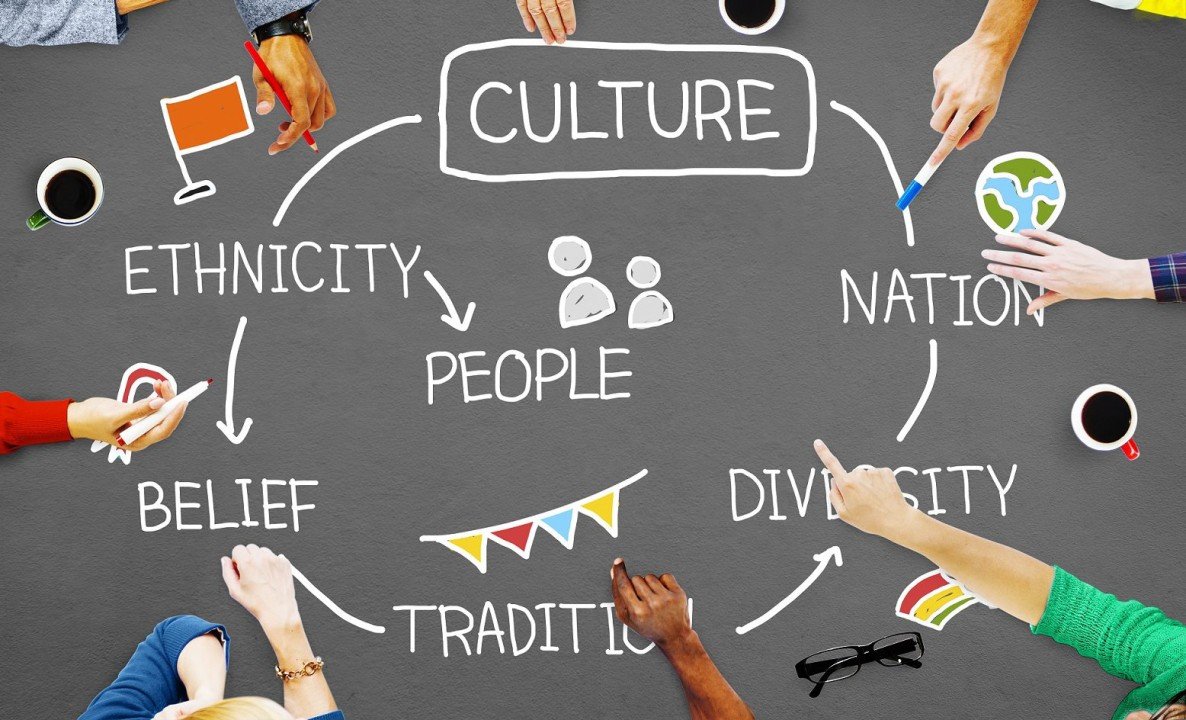
In today´s world, most organisations are becoming increasingly global in their operations, attracting talent with diverse backgrounds, skills, and competencies from around the world. To build a seamless and well-functioning team, cultural intelligence is needed to facilitate communication and collaboration. Our mission is to be the preferred consultancy supporting companies bridge cultural differences between and within markets. Would your organisation like to have a better relationship with your business partners or clients from another national or cultural backgrounds? Contact me here, or via e-mail to arrange a meeting.
Manoeuvring between tribes

Effectively measuring a product or service lies in the realm of how it makes people feel. My ability to connect the dots stems from a wealth of diverse experiences, allowing me to see the connection between seemingly unrelated things. This capacity is rooted in psychology rather than technology. In my experience delving into psychology proves more fruitful than pursuing rational improvements when trying to enhance people's emotional experiences.
““I’ve learned that people will forget what you said, people will forget what you did, but people will never forget how you made them feel.” ”
The elephant in the room
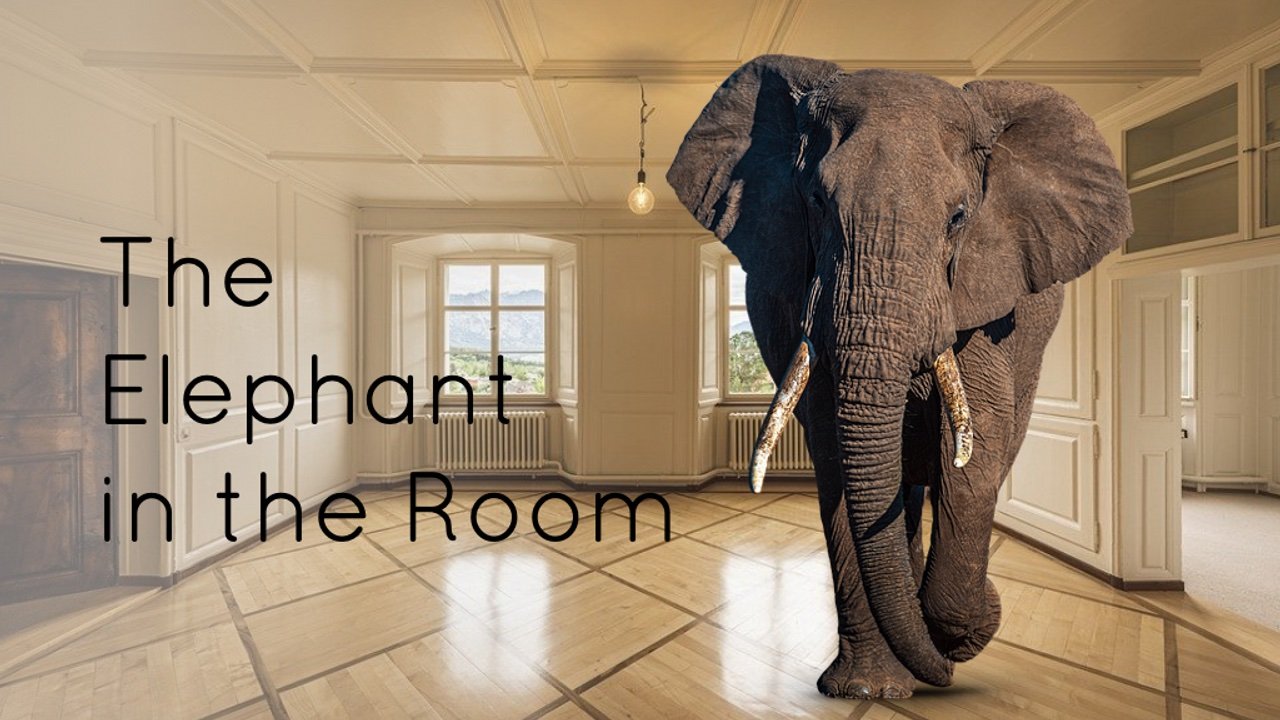
Last week, the Danish Institute of Human Rights published their report highlighting the shocking state of affairs in Denmark regarding racial discrimination, and this has been well documented in the Danish media. It appears that there are many Danes and organisations who don’t want to ask the question, as they don’t want to face the facts because they know that they are going to have to do something. Conversations about race, class and gender in the workplace aren't easy and I think it’s essential to ensure people are seen and heard. Leaders usually listen with the prime objective to make things better and solve problems, sometimes all their team members want is to be heard. Contact me via e-mail to book a speech, workshop or coaching sessions.
Attitude and impacts

I think a diverse workforce closes the gap between a company and the consumer. If customers look into that mirror and don’t see themselves reflected back, they are more likely to search for a business that they feel does reflect them. Decades of research and studies have proved that diverse and inclusive workforces will outperform homogenous teams because they often think more logically, are more creative, and are more adept at identifying errors in thinking. Everyone has their own strengths and weaknesses. The more diverse your workforce, the better equipped you are to balance out one person’s weaknesses with another person’s strengths. A representative workforce will help you understand consumer values, needs, and wants, and will help your organisation to recruit the dynamic and vocal Generation Z.
““Ability determines if you can; attitude determines if you will.” ”
Juneteenth

c/o Adobe
Yesterday, our American friends celebrated Juneteenth, which is a new federal holiday to mark the official end of slavery in the United States, symbolising the triumph of freedom over oppression. Understanding this history is crucial to fully comprehend the legacy of slavery and its impact on American society, it’s also a reminder of the ongoing struggle for racial equality and social justice. We must remember that the whole discussion around diversity and inclusion is not unique to America. I look forward to the day when embracing cultural understanding and the respect for diverse experiences becomes a norm in society.