unconscious bias

We all use shortcuts

Unconscious bias is grounded in neuroscience as our brains process an enormous amount of information every second, far more than we could consciously handle. To manage this, the brain looks for patterns, filters information, and creates mental shortcuts that help us navigate the world efficiently. Without these shortcuts, everyday tasks would become exhausting. Imagine having to consciously think through every step involved in opening a door, tying your shoelaces, or washing your hands. Much of what we do relies on automatic processes that free up mental capacity for other things.

The challenge is that these shortcuts are built from the cumulative effect of everything we have been exposed to throughout our lives, for example, our upbringing, culture, experiences, education, media, and social environment. I think because these processes operate largely outside our conscious awareness, we often do not realise they are influencing our perceptions, judgments, and decisions. As a result, unconscious bias can sometimes lead us to act in ways that do not align with our values, intentions, or the person we believe ourselves to be. The goal is not to eliminate shortcuts altogether, they are essential to how our brains function, but to become more aware of them and create opportunities to make more conscious choices.
Check your behaviour

How do we turn the unexpected into the expected?

  1. Visualise different situations regularly
    Reflect on how you might respond in certain moments. How would you react in that meeting? How would you respond to a colleague whose appearance, behaviour, or communication style feels unfamiliar to you? Notice your instinctive reaction and challenge it. Open yourself to alternative interpretations and possibilities.

  2. Examine your behaviour when faced with the unexpected
    When something or someone triggers a reaction in you, pause and reflect. Ask yourself: Would I respond the same way if this person looked like me, sounded like me, or shared my background? Self-awareness is essential in recognising how unconscious bias can influence behaviour.

  3. Intentionally expand your exposure
    Make a conscious effort to expose yourself, your children, your extended family, and your networks to people, cultures, experiences, and perspectives that may currently feel unfamiliar. What feels unexpected today can become normal through meaningful exposure, curiosity, and human connection.


Awareness is not enough

Unconscious bias education can be valuable for both individuals and organisations because it increases awareness of how bias operates and introduces the scientific research behind it. At its best, this type of training can create motivation and open dialogue around the need to address unwanted bias within organisational cultures. However, awareness alone is rarely enough to create sustained behavioural change. I think understanding that bias exists does not automatically equip people with the skills, systems, or accountability required to reduce its impact in practice. This is why many bias initiatives struggle to produce measurable long-term outcomes.


So Danish!

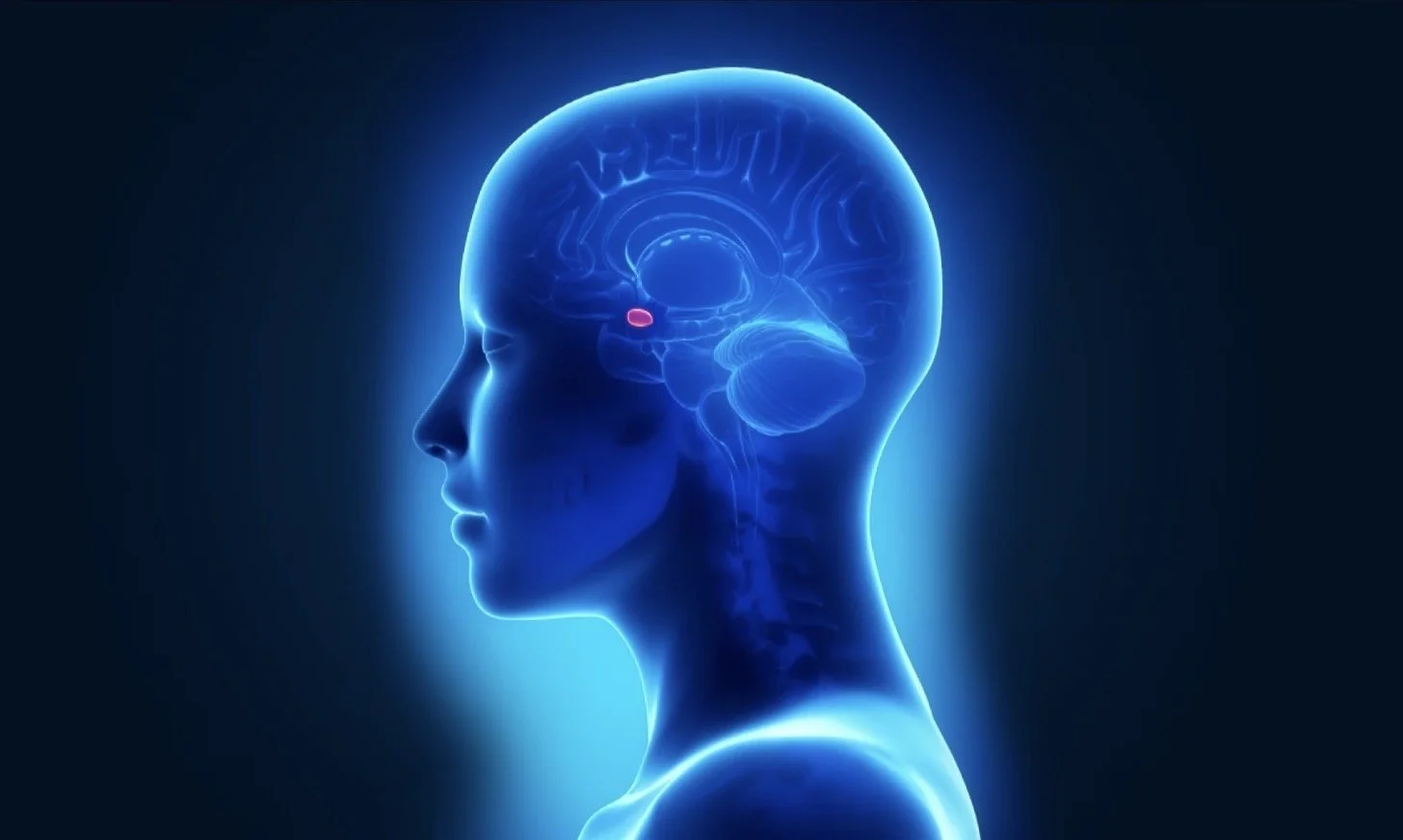
When we encounter unfamiliar social situations or people who appear different from what we perceive as familiar, the brain can respond with heightened alertness. Research in neuroscience suggests that the amygdala, a region associated with threat detection and emotional processing, becomes more active when we are exposed to uncertainty or unfamiliarity. From an evolutionary perspective, this response once served an important survival function. Human beings evolved to quickly assess potential threats in their environment, helping our species respond to danger and uncertainty.

In modern society, however, these instinctive responses can still appear even when no real threat exists. We may notice subtle physical reactions such as increased tension, a faster heart rate, or a feeling of discomfort when confronted with the unexpected. I think this is important because many of our unconscious biases operate below the level of conscious awareness. Without reflection, we can mistake familiarity for safety and difference for risk. The challenge for leaders is not to pretend these instincts do not exist, but to become aware of them so they do not unconsciously shape decision-making, relationships, and organisational culture. Awareness creates the possibility for more thoughtful, objective, and inclusive leadership.

“Letting go of fear requires openness, curiosity, vulnerability, courage and resilience.”
— Dr. Poornima Luthra

Leadership is lonely

Unconscious bias is often shaped by what we have been repeatedly exposed to throughout our lives. Our brains absorb patterns, social norms, and behavioural expectations, then unconsciously use them to make rapid judgments and assumptions. For example, men are often associated with leadership, assertiveness, strength, ambition, and authority. Women, by contrast, are frequently associated with being supportive, emotional, nurturing, sensitive, or accommodating. In practical terms, this creates a familiar pattern: men are more readily perceived as “taking charge,” while women are more readily perceived as “taking care.”

I don’t think that these assumptions are not always conscious or intentional. They are reinforced through culture, media, workplaces, education, and social conditioning over time. The result is that people are often unconsciously redirected toward the patterns and expectations the brain already recognises as familiar. This is one of the reasons unconscious bias can continue to influence hiring, leadership perception, promotions, and everyday workplace interactions, even in environments that believe they are operating objectively.


Reward chemicals

We are constantly exposed to an overwhelming volume of information, far more than we can consciously process. While the exact figures vary, cognitive science suggests that our conscious attention is limited to a very small fraction of the data we receive. The gap is managed by unconscious processes, a set of mental shortcuts and heuristics that allow us to function efficiently throughout the day. These mechanisms are essential, but they also introduce bias. In a workplace context, this has direct implications for how we interpret information, make decisions, and evaluate others. And for this reason I think it’s critical to create space for reflection. Taking the time to pause, think, and question our assumptions allows us to better understand where bias may be influencing our judgment. Without that awareness, it becomes difficult to move towards more objective and balanced decision-making.


Race had nothing to do with my decision

Unconscious bias (also referred to as implicit bias) is the process of associating stereotypes or attitudes towards categories of people without conscious awareness – which can result in actions and decisions that are at odds with one’s conscious beliefs about fairness and equality. I think this can lead us to make biased and unfair decisions regarding who we hire for a job or select for a promotion, which classes we place students into and who we send out of the classroom for behaviour infractions, and which treatment options we make available to patients. And, we know from extensive research, that this happens all the time in our schools, in hospitals, in policing, and in places of employment.


Disparity in roles

Some degree of disparity will emerge from preference because preference emerges from individual circumstances, for example, upbringing, experiences, and cultural background. Different groups of people growing up in diverse environments are likely to develop different preferences as a result. And It’s important to acknowledge this aspect when considering disparities among various groups. While biases can play a role in perpetuating disparities, it is not the sole determinant. Understanding the multifaceted nature of preferences and considering various influences, including upbringing, can provide a more comprehensive perspective on the matter.

I think that it’s crucial to acknowledge the influence of upbringing and other factors on preferences, it does not dismiss the existence of bias or discrimination. Bias can still contribute to disparities, especially when it comes to systemic issues and unequal opportunities. Striving for a fair and inclusive society involves examining and addressing all relevant factors, including both conscious and unconscious biases, as well as other contextual influences.


Being aware and open to change

Your brain tells you that you are safe with people who look, think and act similar, this is one of our many and various unconscious biases. These learned stereotypes are very powerful as they are so deeply ingrained into our persona, for example, the biases we all hold around race, religion, gender, power, and privilege structures. Playing on our unconscious biases and fears is the bread and butter of both political and marketing campaigns. In order to ‘judge’ without undue fear, you need to look at your own biases and the fears that sit under them. I think we can overcome our unconscious biases by becoming aware and being open to change.

Life is too short to worry about stupid things. Have fun. Fall in love. Regret nothing and do not let people bring you down. Study, think, create and grow. Teach yourself and teach others.
— Professor Richard Feynman

Yesterday morning, I asked a woman if she needed help in carrying her pram (a four-wheeled baby carriage) down the stairs – I have to admit that I would not have asked a man if he were in the same position. I know that my actions were not a problem, they were courteous and friendly but underneath I may have unexamined bias about the difference in roles and capabilities of men and women. Contact me via e-mail and let me know how you deal with your implicit biases.