
coaching

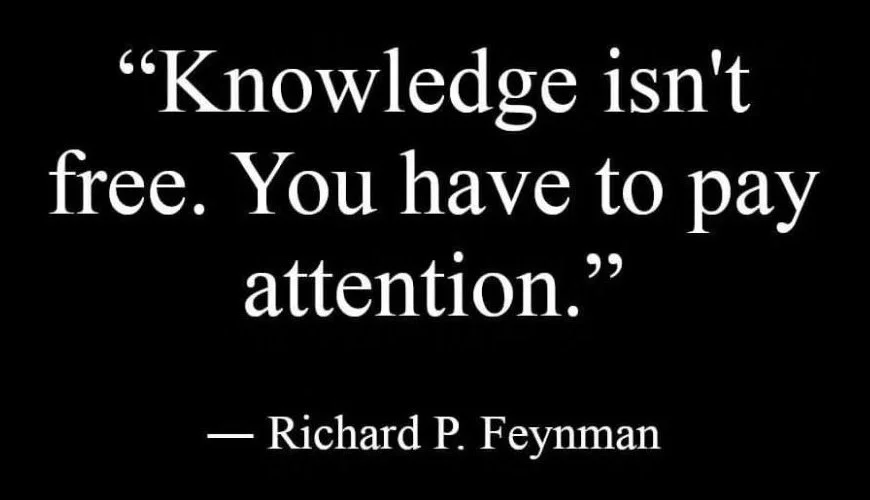
Knowledge is an insight

We have all been socialised to provide value, to share our wisdom and knowledge to make things easier for others. And I think that this instinct can be hard to let go of. As a coach, I have had to push my ego aside and remember that my role isn’t about what I know. Interestingly, the ICF recently updated their Core Competencies, changing the language from “sharing knowledge” to “sharing insights.” It’s a subtle but meaningful shift, one that highlights how coaching is less about teaching and more about creating space for awareness.

Now I have started approaching it this way: Here’s some knowledge I have gained, and this is how I learned it. What do you think about it? That simple change invites reflection instead of direction. What do you think?


Nature knows best

Do you tie your sense of identity to your achievements?

Many high performers do, often without realising it. Promotions, recognition, and external success can become the markers we use to measure our worth. Research shows that when we prioritise the external over the internal, our wellbeing suffers. I think the drive for achievement can easily blur into anxiety, self-doubt, and fear of falling short.

That inner voice , the one that questions your ability or tells you to hold back, often speaks loudest when you are stretching yourself. Yet, those same moments can be opportunities to grow. Learning to recognise and work with that voice, rather than against it, is one of the most powerful shifts you can make as a leader.

With the right tools, it’s possible to reframe stress from something threatening to something that signals growth, a challenge you can rise to and learn from. If this feels familiar, you are welcome to book a complimentary 30-minute discovery call to explore how coaching can help you strengthen your mindset and reclaim a healthier relationship with achievement. Book me…

“Never complain. Never explain.”
— Benjamin Disraeli

Growth is not linear

You don’t grow in comfort. You grow in chaos. The pressure that’s breaking you now, that’s the same pressure that will make you unstoppable. So, when you are thinking that it can’t get any worse, it isn’t the end, it’s just the rebuild. The moment life forces you to let go of what no longer serves you is the moment something stronger begins to take form. Most people quit when it hurts, but the chosen ones walk throughout the fire until their purpose starts to glow. I think growth doesn’t announce itself, it refines you quietly, through resistance, until one day you realise: the chaos didn’t break you. It built you.

If this resonates with you, book a complimentary 30-minute discovery session with me via this link.

The paradox of success

I think as your status and power grow, so do pressure and responsibility. True leadership means accepting this reality and learning to thrive under it. It’s essential to remember that genius and madness are linked, just like stress and success, love and loss are also intertwined. You cannot separate reward from risk. Embrace the duality, and you will build the resilience that great leaders are made of.

If this resonates with you, book a complimentary 30-minute discovery session with me via this link.


The inner voice of doubt

Everyone carries a persistent inner voice that whispers doubts, suggesting we are fraudulent in our pursuits. This feeling of shame acts as a barrier to creative expression, stifling our willingness to take risks. When shame is paired with resistance, it can become a significant obstacle, making progress even more difficult.

I think instead of fighting against shame and resistance, the key is to acknowledge these emotions and use them as guidance. For some, resistance signals that they are moving in the right direction. Rather than avoiding uncomfortable feelings, embracing them and proceeding regardless can lead to moments of true growth and innovation. This is where the magic happens.

If this message resonates with you, I invite you to book a complimentary 30-minute discovery session with me via this link.


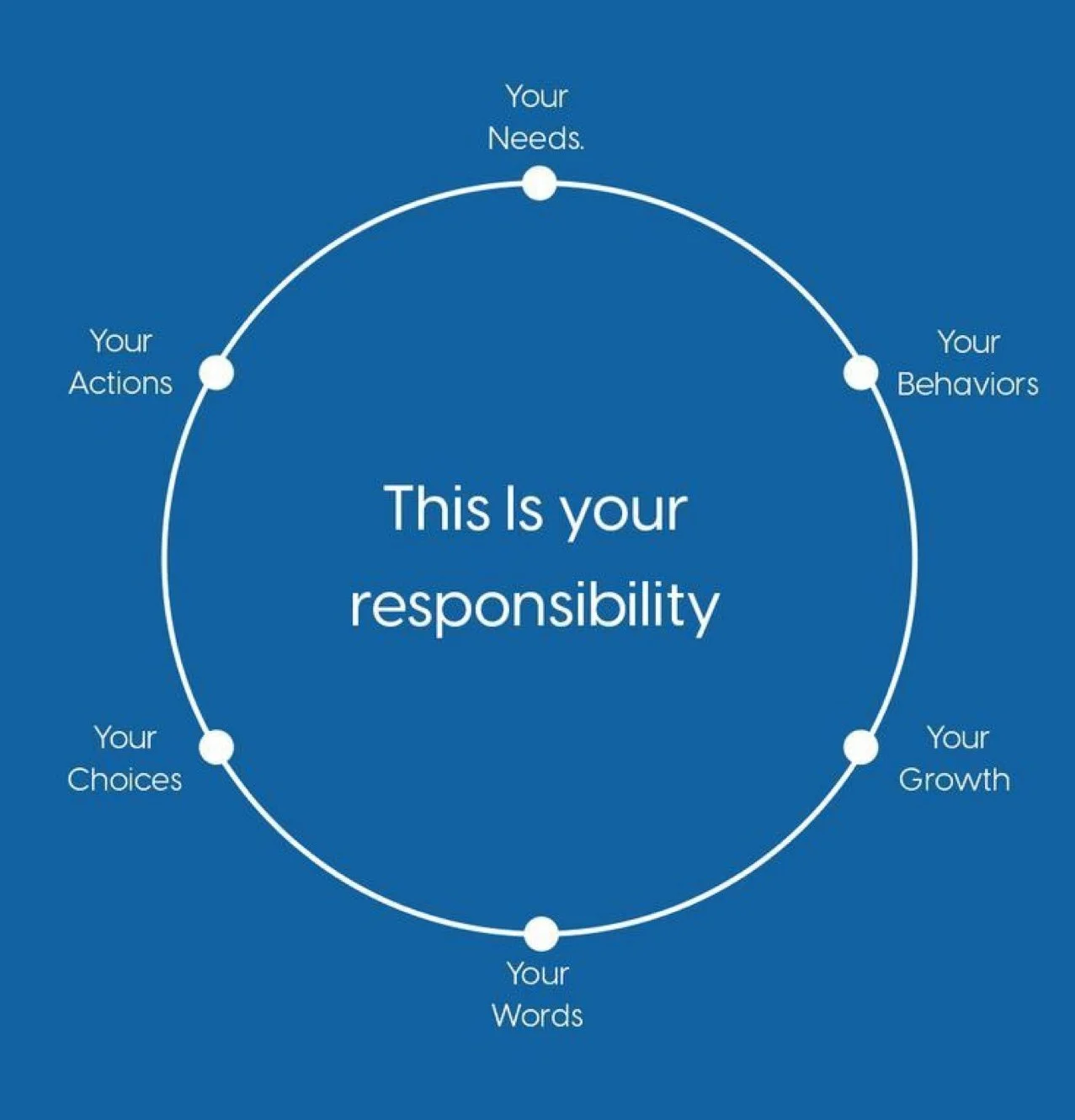
You own this

If you are easily offended, you are easily manipulated. The real question is: How do I handle what comes at me?

There’s a big difference between being reactive and being responsive. I think reactive means: “He did this to me, so I’m going to react.” And, “It’s not my fault I blew up; he said that.” In this mode, you give away your power. On the otherhand, responsive means: “He did something, I feel it, I process it, I regulate it, and then I choose how to respond.” I think in this mode, you own your emotions, your choices, and your power.

When you learn to respond instead of react, you stop letting others control your state and start leading yourself. If this message resonates with you, I invite you to book a complimentary 30-minute discovery session with me via this link.


This is a breakthrough

How someone treats you reflects their capacity, not your worth. When someone mistreats you or acts unkindly, it’s never truly about you, it’s about them, their state, and where they are in their own growth.

Once you understand that, something shifts. You stop giving others so much power over your emotions, your peace, and your life. You begin to let go. It’s not even about forgiveness anymore, not of them, and not of yourself. It’s about seeing things clearly for what they were. And in that clarity, you find freedom.

If this message resonates with you, I invite you to book a complimentary 30-minute discovery session with me via this link.

The transformative power of coaching

How do people change in sustained and desired ways?

When people say they are looking forward to change or adapting easily, they are often being economical with the truth. Real change, I mean the kind that lasts is rarely comfortable. All learning and growth involve stress because they demand self-control and a willingness to step into uncertainty. Helping others through change can be equally taxing. It carries the weight of responsibility and requires continuous self-regulation, what some call power stress. Are you curious about how coaching can support your growth journey? If so, contact me via email to book a free 30 minute discovery call.


Life is not linear

I think in order for a goal to be effective, it must involve change. Everyone wants to grow and scale fast, but in the rush to move forward, we often forget that growth isn’t just about speed or size. Sometimes, the most valuable insights come from slowing down, asking the right questions, and reconnecting with the people who already know your business best, who are your existing customers. Real change doesn’t always mean chasing something new, it can start by listening to what’s already there.


5 points of discussion

  1. Difficulty creates opportunity.
    The moments that challenge us most often reveal where growth and innovation live.

  2. Action brings clarity.
    Moving forward even when the destination isn’t clear is often what helps us discover it.

  3. Diversity fuels innovation.
    Cross-cultural perspectives spark creativity and unlock new ways of thinking.

  4. Timing matters.
    The right idea needs the right moment to take root and grow.

  5. Networks have power.
    Passionate, connected communities can turn ideas into lasting impact.


Empowering your leadership skills

Leaders and executives and don’t need coaches to tell them what to do, they need thought partners. As a coach, it’s easy to slip into problem-solving mode, but my clients are bright, capable leaders who don’t need me to strategise for them. I have learned instead to hold space for them to think differently and see familiar challenges from a new perspective.

My role is to ask questions that help them check in with themselves and uncover what’s already there. When I coach, I don’t make assumptions, I stay curious and keep asking questions. That’s where real insight and growth begin. Contact me via email for a complimentary 30 minute discovery call


The journey has started

My role as a coach is to help you move from where you are now to where you want to be, facilitating meaningful transformation that goes beyond to-do lists and addressing the inner obstacles that hold you back. To be effective as an executive coach, team coach, or leader, I draw on internationally recognised coaching benchmarks to guide clients when they feel stuck whether it’s resistance to change, a personal growth challenge, or a sense of overwhelm.

Often I find that it’s not enough to simply reframe, challenge limiting beliefs, or hold space for solution-focused conversations. Where I truly make a difference is in enabling deep behavioural change by helping clients remove inner obstacles and find the balance between depth, accountability, and structure. I think that’s the sweet spot where lasting transformation happens.

I was featured on the International Coaching Federation (ICF) Danish Chapter’s LinkedIn page yesterday. Click on the link to read more.


Accept the suffering

If you are working in DEI, there are a few core skills that really matter:
·    Change management
·    A global perspective on diversity and inclusion
·    Business acumen
·    Building strong external relationships
·    Integrity
·    Visionary, strategic leadership
·    And a solid grounding in HR
I think these are the areas that make the difference between good intentions and real impact.


An attractive quality

Confidence is shaped by experience, especially by how you choose to respond to it. Do you run from challenges, or do you face them? Do you avoid responsibility, or do you step into it? Each time you make a promise and keep it, your confidence grows. Each time you push through fear, your confidence grows. I think confidence is built brick by brick through actions, not words. And a person with genuine confidence carries an aura of peace, and they don’t need to chase; they just attract.


Sharing my thoughts

I want to spend my time doing work that matters for people who care, and I ask these questions on a daily basis:
- Who am I here to serve?
- What change do I seek to make?
In the knowledge that the right clients come when I do meaningful work for the right ones. Contact me via email if you would like to book a complimentary 30 minute session.

“Everything I lose creates space for everything I need.”
— Unknown

Develop your skills

Investing in coaching is one of the best investments you can make if you are a leader, manager, or aspire to become one. How much time do you spend coaching your direct reports?

Here are 10 essential coaching skills to develop:
1. Empathy – Put yourself in their shoes.
2. Self-management – The ability to regulate your own emotions and behaviour.
3. Building trust – The foundation of all relationships.
4. Observational skills – Accurately reading situations and people.
5. Planning – Increasing the likelihood of reaching goals.
6. Active listening – A core skill for effective coaching.
7. Communication skills – Explaining clearly and holding others accountable.
8. Encouragement and praise – Reinforcing effort and growth.
9. Honest, useful feedback – Delivered constructively to drive improvement.
10. Analytical and problem-solving skills – Supporting others to find solutions.


Awareness is everything

Thoughts can influence feelings, which in turn can affect actions and outcomes. To obtain effective answers, it is beneficial to ask clear and thoughtful questions. For example:
·  What am I thinking?
·  Why am I choosing to think this?
·  What does this thought evoke?
·  What thought is causing this feeling right now?

I think when you ask a great question, you come up with great thoughts to think.


It's your responsibility

Traditional engagement surveys often ask passive questions, and when people respond negatively, they tend to blame the environment. This teaches employees to complain rather than reflect. A more powerful approach is to ask active questions for example:
Did I do my best to be engaged today?
Did I do my best to find meaning?
Did I do my best to build positive relationships?”
Instead of waiting for the company to “engage them,” individuals are encouraged to take ownership of their own engagement. I think true growth happens when people move from blaming circumstances to taking personal responsibility for how they show up each day. What do you think?