

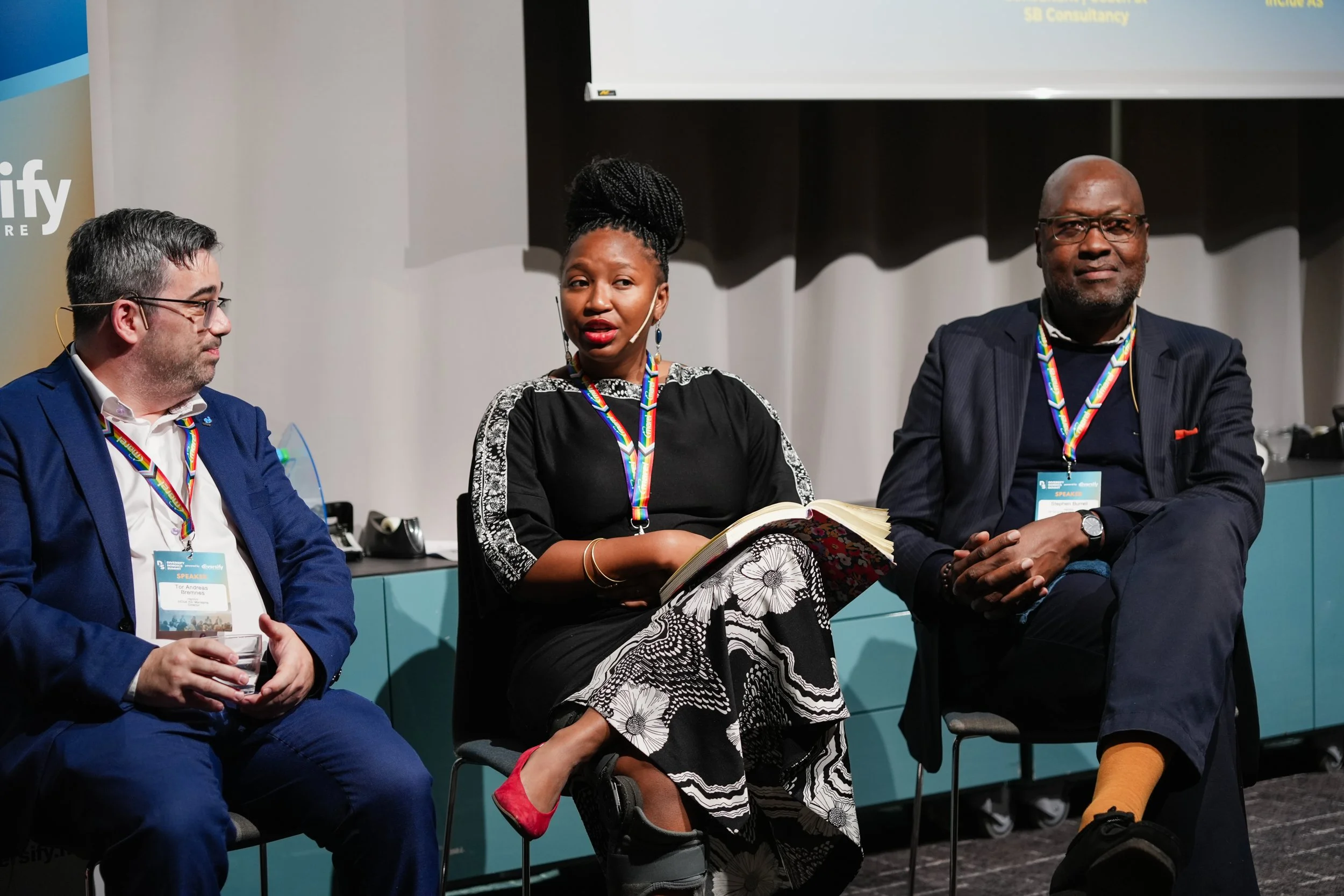
Emotional intelligence does not stop with self-awareness because it’s equally important that we recognise and manage our own emotions while developing the empathy to understand situations from another person’s perspective. In other words, step into their shoes and consider what they might be experiencing, thinking, or feeling. I think this is particularly important in today’s increasingly global and cross-cultural workplaces. When people come from different cultural backgrounds, they may express emotions, communicate concerns, or interpret situations in very different ways. Being attuned to those differences helps us navigate the complexity of human interaction, build stronger relationships, and create environments where people can work together more effectively. Emotional intelligence is therefore not simply about understanding emotions. It is about using that understanding to make better decisions, build stronger relationships, and lead with greater awareness and empathy.
High EQ
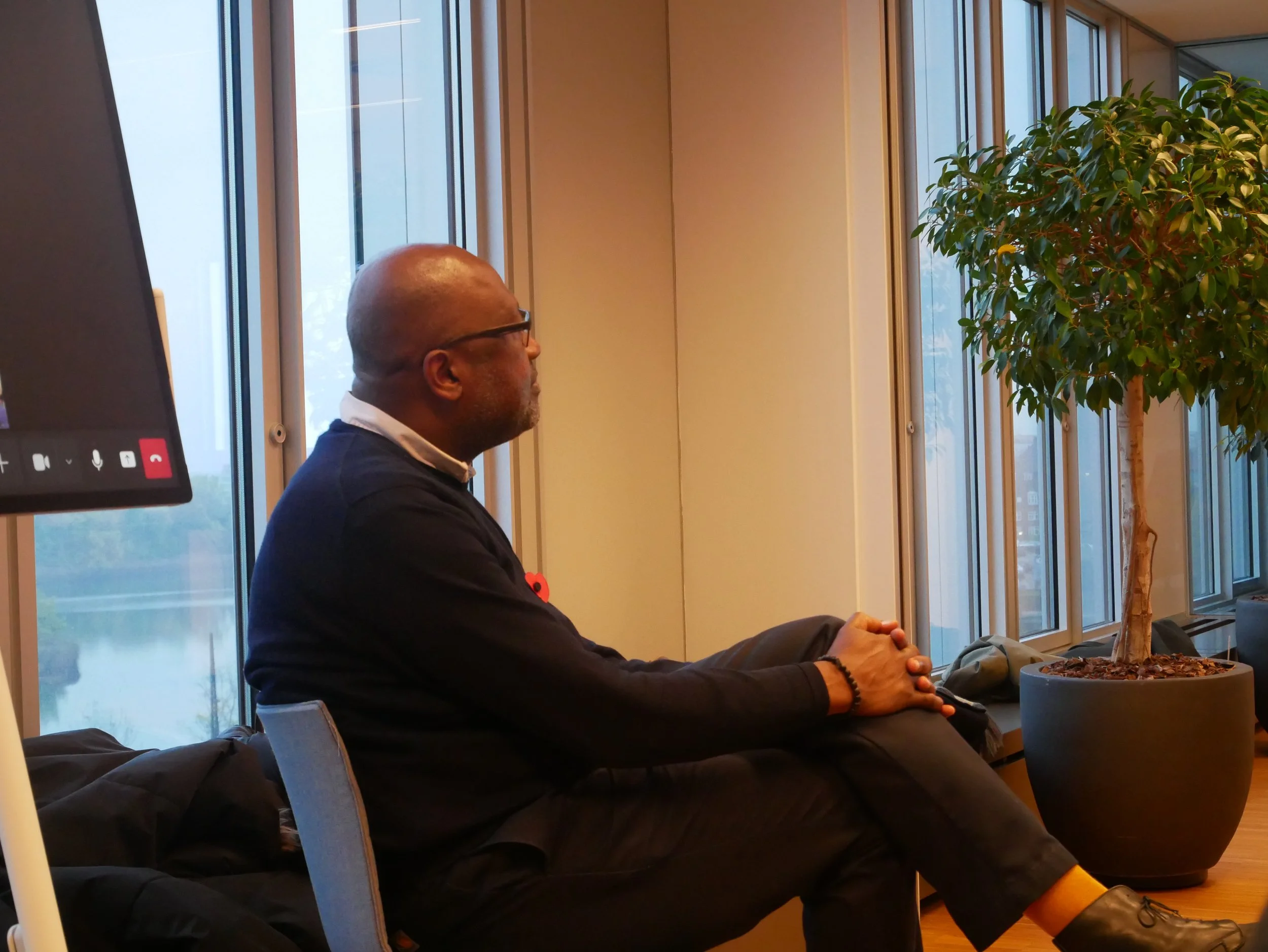
Get to know each person on your team and understand what makes them tick. Be clear about your expectations and the behaviours that are important to being part of the team. Ask for and give feedback regularly and, where possible, in the moment. Over time, this helps you build a reputation as a strong and trustworthy leader. Create a team culture where people feel safe, supported, and able to grow. I can often see what you haven't said, and I can hear what you haven't said. That can sometimes unsettle people, particularly those who may already feel insecure or threatened, so I have learned that how you use that awareness matters.
I am two metres tall, so I can naturally intimidate people without intending to. One of the ways I have learned to manage that is by sitting down when I speak with someone. It changes the dynamic, helps people feel more comfortable, and signals that they are in a safe space to speak openly and that they can trust me. I think emotional intelligence in leadership is the capacity to be aware of your own presence and influence, regulate and express your emotions appropriately, and build interpersonal relationships with empathy, judgement, and intention.
All decisions are emotional
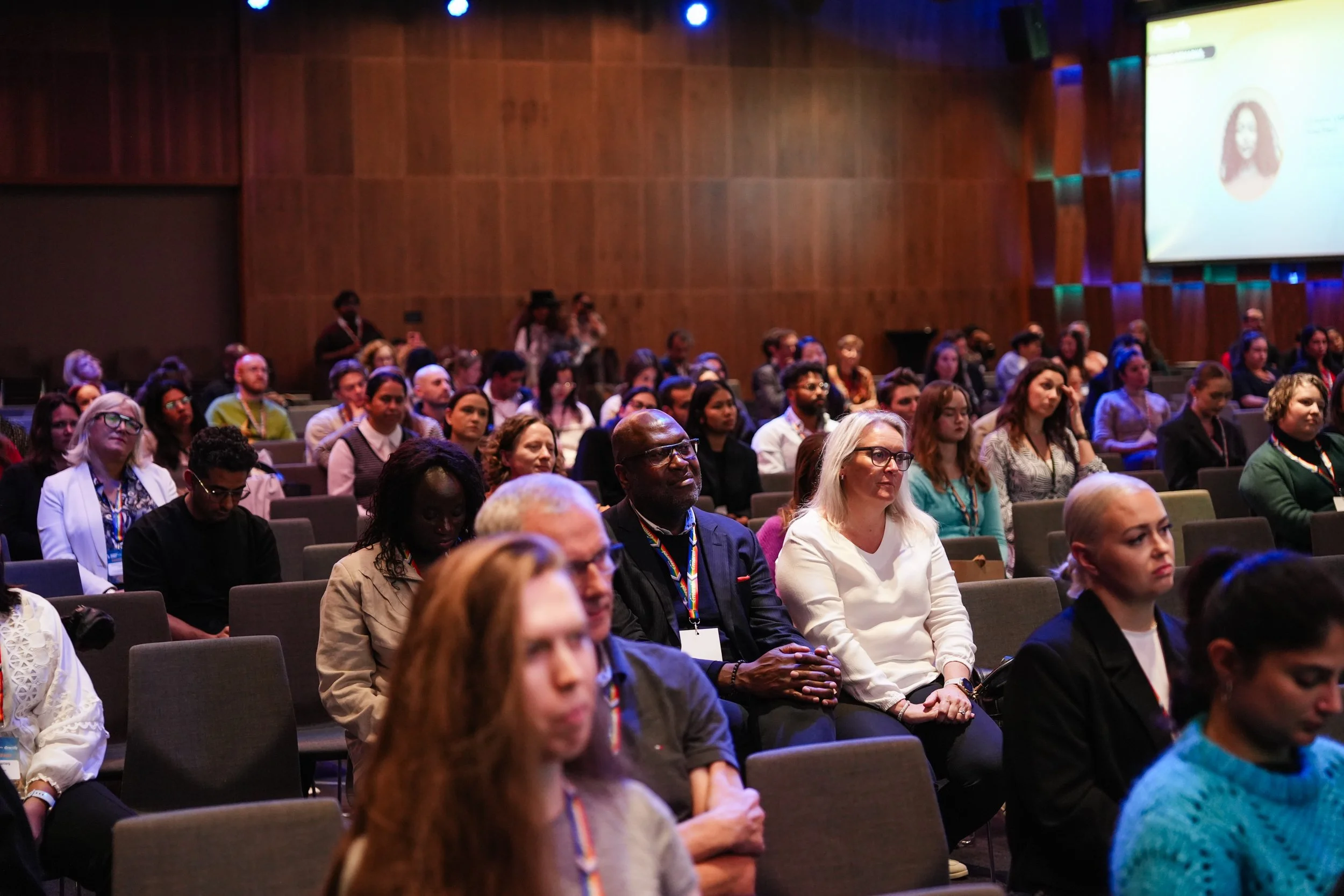
Almost every business decision we make is influenced by emotion. We may believe that choice A is better than choice B, but our judgement is often shaped by how we feel, our experiences, our assumptions, and our gut instincts. That is why self-awareness is so important. We need to understand our own emotions and where they come from in order to better understand our motivations, fears, limitations, and strengths. The more aware we are of what drives us, the better equipped we are to make thoughtful decisions rather than simply reacting to how we feel in the moment.
Who do you want to be?
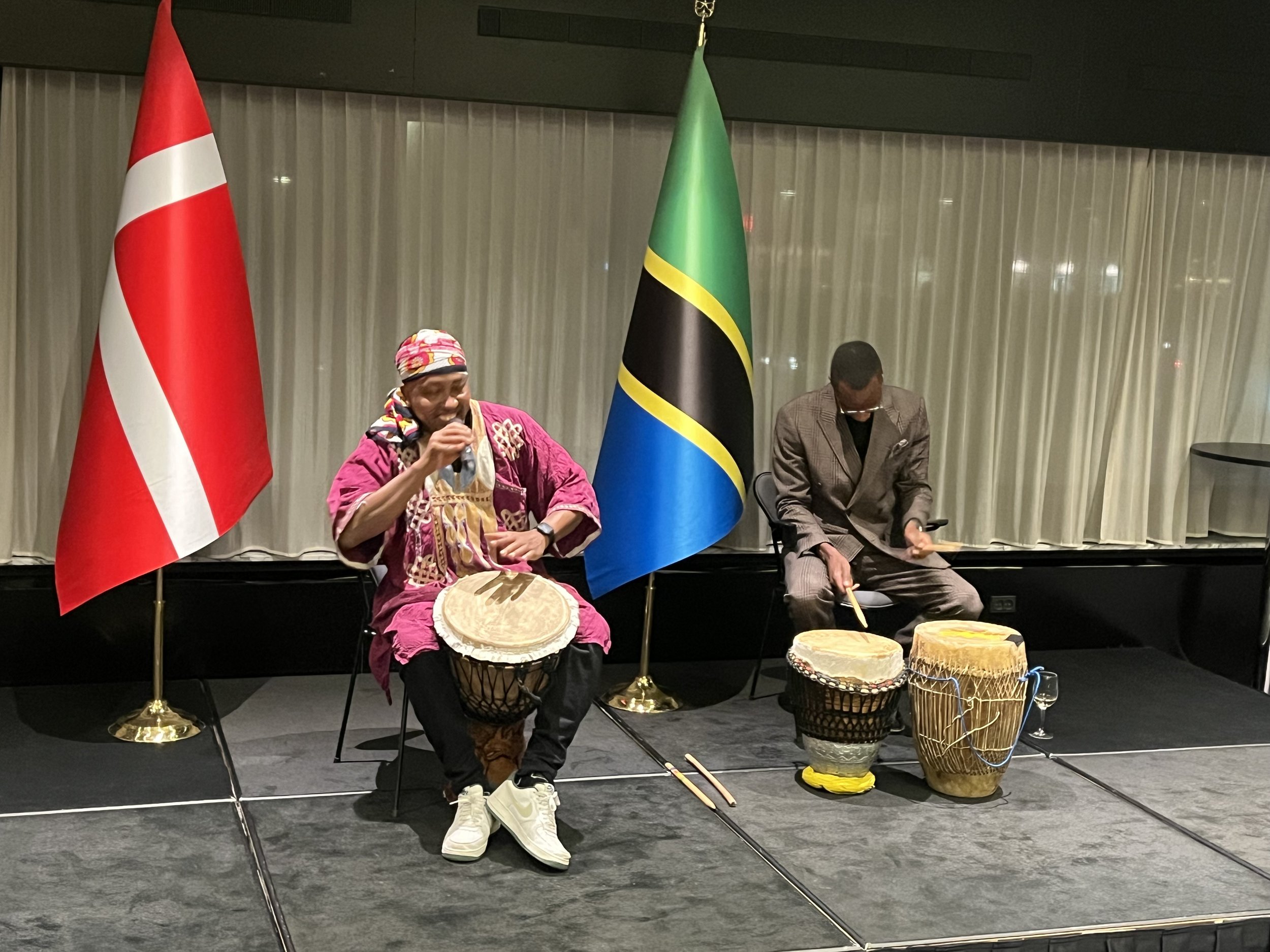
I think leadership begins long before you receive a title as it begins with understanding who you are, what you value, and how you choose to show up when no one is watching. From time to time, I encourage leaders and senior professionals to pause and ask themselves a few honest questions.
About your work
- Under what conditions do you do your best work?
- Which strengths do you consistently bring to your team?
- What are you most proud of?
- Where are you heading, and are your daily actions moving you in that direction?
About your leadership
- Do you model personal responsibility and accountability?
- Are you willing to advocate for your team when they are not in the room?
- Do people know you as someone who develops others, solves problems, and creates opportunities?
About yourself
- When was the last time you invested in your own development by speaking with a coach, mentor, or another trusted professional?
- Are you building your skills because they matter to you, or because you are seeking approval from others?
And perhaps the more difficult questions:
- Do you find yourself shrinking in meetings, code-switching, or over-explaining your expertise?
- Are you trying to make yourself more palatable in environments that were never designed with you in mind?
- Are you still waiting for someone else to tell you that you are good enough?
- Do you undervalue your expertise because you are relying on external validation rather than trusting the value you already bring?
In my experience, the quality of our leadership is closely linked to the quality of the questions we ask ourselves because every decision, every conversation, and every interaction shapes the leader we are becoming.
Acceptance is not resignation

One of the lessons I have learned is that resisting suffering often amplifies it. When we slow down, reflect, and allow ourselves to acknowledge our suffering without immediately trying to escape it, something begins to shift. The circumstances may not change overnight, but our relationship with them can. Acceptance is recognising reality as it is, rather than exhausting ourselves fighting against what has already happened. I think from that place, we create space to think more clearly.
When we are consumed by panic or overwhelmed by emotion, our decisions are often reactive. When we develop the capacity to sit with discomfort, we build resilience, and resilience allows us to respond with greater clarity, wisdom, and intention. As it’s from that place of strength that we begin to find solutions, make better decisions, and change the environment around us. Remember we cannot always choose our circumstances, however, we can choose how we meet them. Maybe the first step towards changing your life is learning to remain present with it.
The goal is not to be right

One of the biggest obstacles to good decision-making is the desire to win the argument. When our identity becomes attached to being right, we stop listening and we defend our position, seek evidence that confirms our views, and become less willing to consider alternatives. The discussion shifts from finding the best solution to protecting our ego.
I do not claim to be right about everything, and I do not feel the need to be. In fact, I think one of the most valuable leadership qualities is intellectual humility: the willingness to challenge your own thinking, update your beliefs, and change your mind when presented with better evidence. For me, the goal is not to prove that I am right. The goal is to become less wrong.
This mindset creates space for curiosity, better questions, and more thoughtful decisions. It encourages diverse perspectives, reduces defensiveness, and leads to stronger outcomes for teams and organisations. The best leaders are rarely those with all the answers, they are the ones who create the conditions for better thinking. What do you think? Is the role of leadership to be right, or to help the organisation make better decisions?
Cognitive component vs. bias

What’s the difference between stereotyping and diagnosis bias?
Stereotyping involves assigning characteristics, behaviours, or assumptions to someone based on the group they belong to. It is a mental shortcut that simplifies people into categories such as gender, ethnicity, age, nationality, profession, or social background. Stereotypes are often shaped by culture, media, upbringing, and past experiences, and they can influence expectations before we have meaningful evidence about the individual.
I think diagnosis bias is slightly different. It is the tendency to form an early judgement about a person, situation, or problem and then interpret everything through that initial conclusion. Once the label has been applied, people often stop exploring alternative explanations. In leadership and organisational settings, this can lead to unfair assumptions about capability, motivation, personality, or performance.
For example, stereotyping might sound like: “Young employees are entitled.” Diagnosis bias might sound like: “This employee is difficult,” followed by interpreting every future interaction as proof of that judgement. I think the key difference is that stereotyping is group-based, while diagnosis bias is conclusion-based. Both reduce curiosity, limit understanding, and can negatively affect leadership, decision-making, inclusion, and relationships. Emotionally intelligent leaders learn to slow down their assumptions, remain curious, and separate observation from interpretation.
““Freedom is the capacity to pause between stimulus and response.””
Strong desire
Intelligence in a leadership context is not defined by knowledge alone, but by how effectively it is applied. Three capabilities consistently distinguish effective leaders. First, the ability to solve problems with clarity. This involves structuring complexity, identifying what matters, and moving towards practical solutions without unnecessary noise. Second, the ability to adapt. Change is constant, and the capacity to adjust with composure rather than defaulting to blame or resistance is a defining strength. Adaptability reflects both resilience and emotional intelligence. And third, the ability to make thoughtful decisions. This requires clarity of purpose, sound judgment, and a willingness to take responsibility for outcomes.
I think as these capabilities develop, so does internal stability. They can be strengthened through consistent practice, reflection, and a willingness to learn. Over time, this is what will shape how leaders think, and how they lead. What do you think?
EQ will become more important than IQ
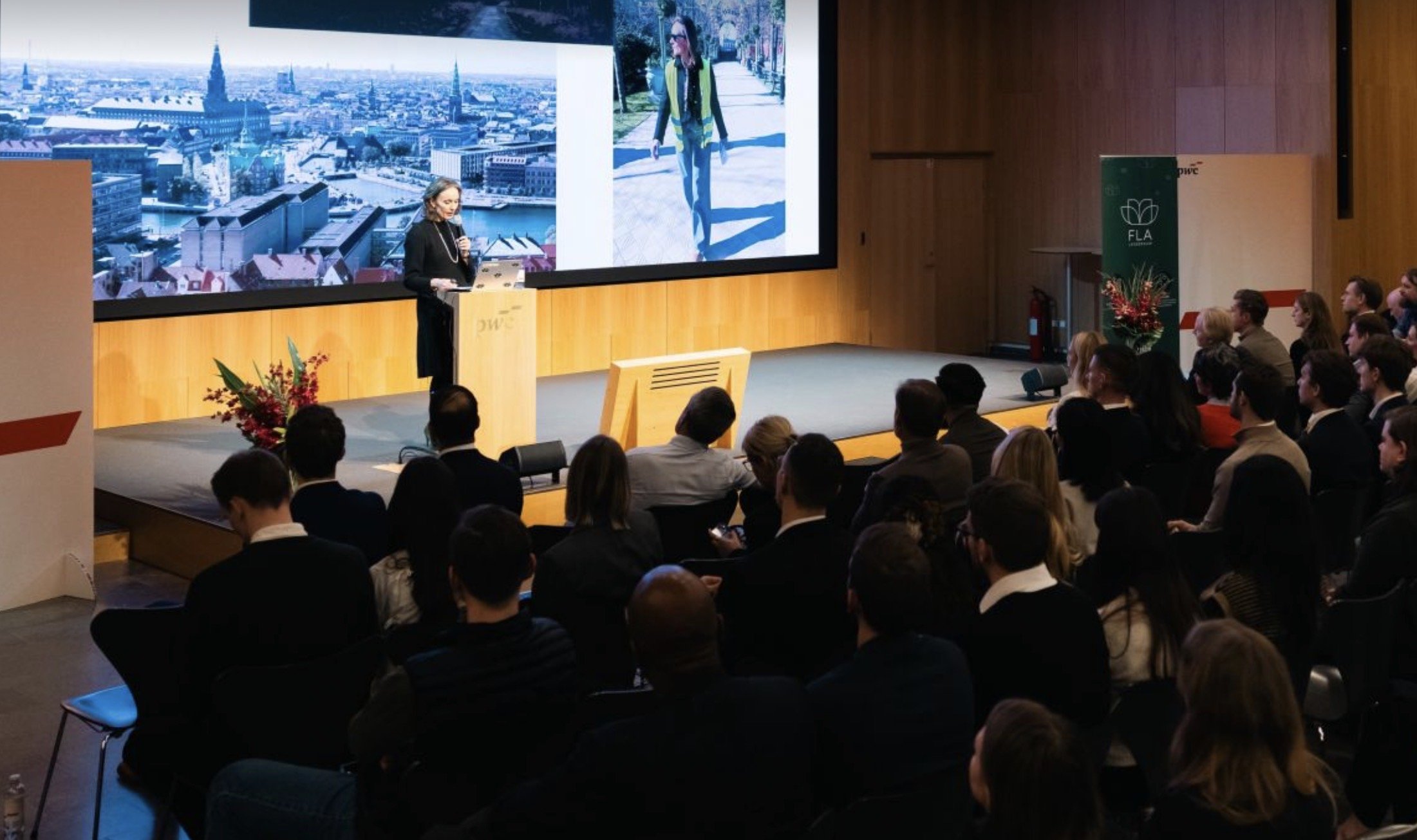
Emotional intelligence will become increasingly important at the highest levels of leadership. While machines excel at processing data, they do not understand context, trust, or human motivation in the same way people do. Leaders must therefore cultivate adaptability, the ability to learn quickly, and the capacity to guide behavioural change across organisations. Change remains difficult for individuals and teams, regardless of technological progress.
Why suffer in silence?
Where are the support structures for men?
Emotional intelligence is the ability to recognise, name, and regulate your own emotions, and then communicate them in healthy and constructive ways. Many men struggle to express emotions beyond anger or sadness, not because they lack depth, but because they have been socialised to suppress their inner experiences and were never given the language to reflect on them. This emotional silence is harmful, both to men themselves and to the relationships they try to build with others. In this context, the growing loneliness epidemic is not surprising. I think now is the time to acknowledge that being human includes vulnerability, and that it is both acceptable and necessary.
If this resonates with you and you want to explore how emotional intelligence can support your personal or professional growth, contact me via email to book a complimentary discovery call.
Protect yourself

How do you stop being affected by everything and everyone?
It begins with learning to stay calm and deliberately rewiring your wellbeing. This is not about disengaging or becoming indifferent. It is about stopping defensive reactions and choosing to respond with calm authority. When you own your response, external chaos loses its power over you. I describe this is emotional resilience as emotional invincibility. It is the ability to maintain a mental state where insults do not penetrate, rejection does not define you, and chaos does not shape your behaviour. Please do not hand strangers the remote control to your emotional state.
I think most people live reactively because whenever someone criticises them, they immediately defend themselves. Resilient leaders do something different, they separate facts from the stories they tell themselves and they respond to facts, not interpretations.
A useful filter is simple: “Can I control this?”
If the answer is no, then worrying about it adds no value. You cannot control someone else’s opinion of you, which makes it irrelevant to your self-worth. You cannot always control the event, but you can always own your response and that is where power lives.
Your thoughts
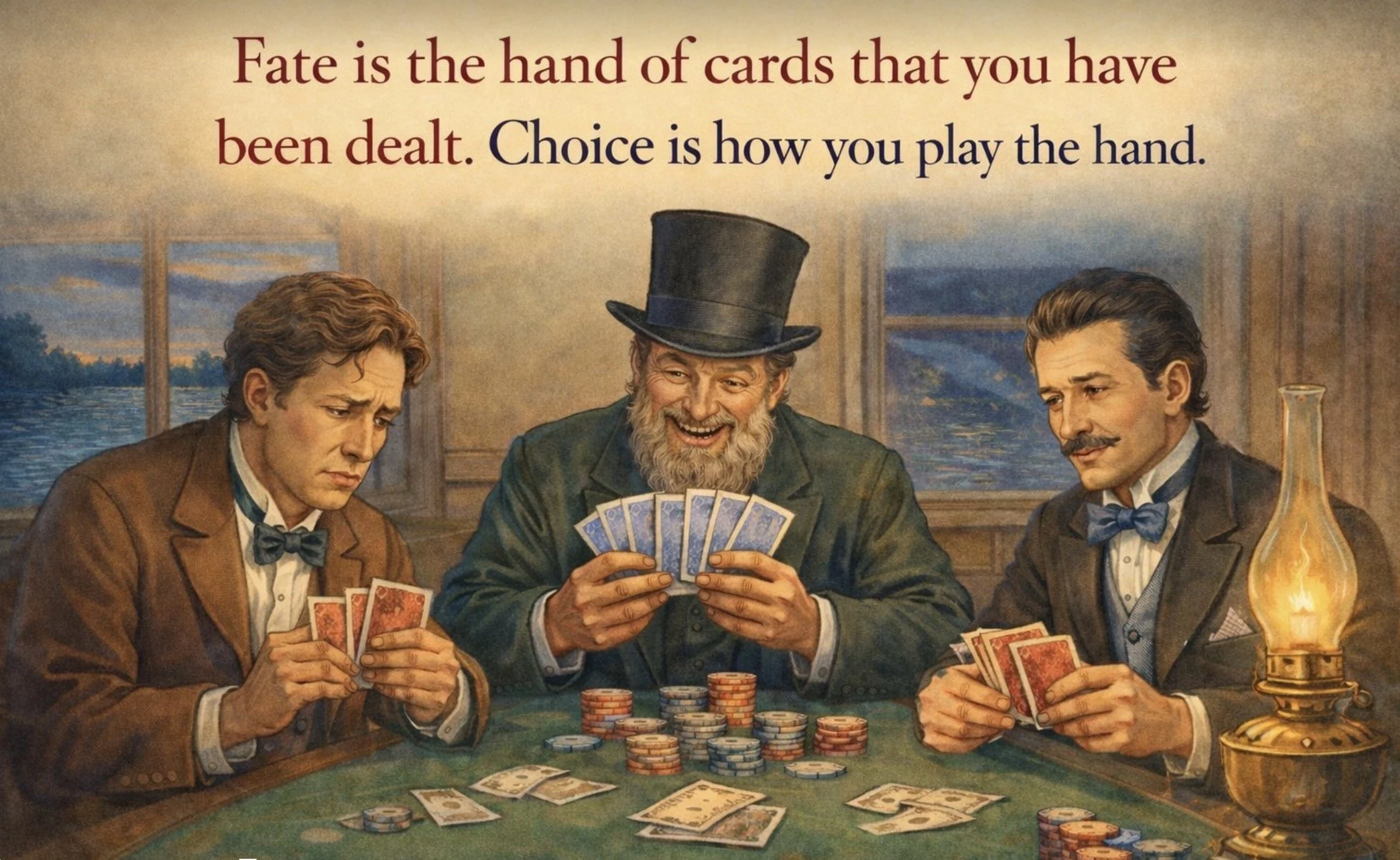
c/o Marshall Goldsmith
Your brain does not operate on objective truth; it responds to what is repeated with consistency and emotional weight. Thoughts influence feelings, feelings drive actions, and repeated actions shape identity. I think because the brain is constantly rewiring itself, who you are is not fixed. Therefore, when a message is repeated often enough and carries emotional charge, the brain begins to treat it as true.
Chaos is normal

I think much of the anxiety we see today comes from living in a period of deep uncertainty. Human beings resist uncertainty, even though nothing in our lives has ever been truly certain. We create the illusion of predictability because the brain is wired to seek safety and control.
Leadership in uncertain times often involves losses that are difficult to acknowledge: jobs that disappear, titles that no longer exist, ambitions that must be released because circumstances have shifted. Letting go is a form of grief, and I see this grief surface in many leaders as the past continues to reappear in their thinking and behaviour.
Moving forward requires working through the anger, disappointment, and hurt that come with change. Without processing these emotions, it becomes difficult to heal and even more difficult to create the future you truly want. Growth begins when you recognise the emotional weight of uncertainty and give yourself permission to move through it rather than push it aside.
The outcome

When coaching is practiced at a high standard:
· Leaders gain clarity about who they are and how they want to show up.
· They develop emotional intelligence that strengthens relationships.
· They grow the cultural awareness required in diverse workplaces.
· Their decisions become more aligned with their purpose and values.
The work becomes more than a conversation. It becomes a catalyst for meaningful, sustained change.
““It takes a lot of hard work to make something simple.””
What are you capable of?

Who have you been raised to believe you are?
Who is the version of you that you want to preserve as you move through this season of life?
““We spend a lot of time teaching leaders what to do, but not enough time telling them what to stop.””
Without elimination, there can be no creation.
Would you like greater clarity on who you are?
To understand why you are pursuing something, and to define what success truly means for you?
When you do, you stop trying to fit in and start finding genuine connection and belonging with those who are walking the journey alongside you.
The inner voice of doubt

Everyone carries a persistent inner voice that whispers doubts, suggesting we are fraudulent in our pursuits. This feeling of shame acts as a barrier to creative expression, stifling our willingness to take risks. When shame is paired with resistance, it can become a significant obstacle, making progress even more difficult.
I think instead of fighting against shame and resistance, the key is to acknowledge these emotions and use them as guidance. For some, resistance signals that they are moving in the right direction. Rather than avoiding uncomfortable feelings, embracing them and proceeding regardless can lead to moments of true growth and innovation. This is where the magic happens.
If this message resonates with you, I invite you to book a complimentary 30-minute discovery session with me via this link.
This is a breakthrough
How someone treats you reflects their capacity, not your worth. When someone mistreats you or acts unkindly, it’s never truly about you, it’s about them, their state, and where they are in their own growth.
Once you understand that, something shifts. You stop giving others so much power over your emotions, your peace, and your life. You begin to let go. It’s not even about forgiveness anymore, not of them, and not of yourself. It’s about seeing things clearly for what they were. And in that clarity, you find freedom.
If this message resonates with you, I invite you to book a complimentary 30-minute discovery session with me via this link.
Are your employees engaged?

Scientific knowledge provides robust evidence about human motivation, emotional intelligence, and effective leadership, showing us how to create better, healthier, and more productive workplaces. However, this knowledge is often not systematically applied in daily organisational practice. As a coach and DEIB practitioner, I am dedicated to exploring methodologies for translating empirical findings into practical strategies that address the complex demands of everyday working environments. Contact me via email if I can be of service to you or your organisation.
It's OK

Emotional intelligence isn’t just about being kind or approachable, it’s about being powerful with people, not over them. And that’s the kind of leadership organisations need if they are serious about meaningful, sustainable transformation. I think this is because in times of transformation, your presence matters as much as your strategy.
Focusing on practical aspects

Leadership today is not just about vision, strategy, or performance metrics, it’s about presence. And not just the kind that shows up in meetings or quarterly reports, but the kind that’s felt by the people around you. Authentic leadership is not about being universally liked, it's about being consistent, grounded, and brave enough to embody values even when they challenge the norm.
I think in transformation contexts where uncertainty is high and morale can be fragile this kind of leadership becomes critical. It stabilises teams without sugarcoating reality. It encourages innovation without glossing over fear, and it helps people stay resilient through the messy, human process of change.