

If you are working in DEI, there are a few core skills that really matter:
· Change management
· A global perspective on diversity and inclusion
· Business acumen
· Building strong external relationships
· Integrity
· Visionary, strategic leadership
· And a solid grounding in HR
I think these are the areas that make the difference between good intentions and real impact.
An attractive quality

Confidence is shaped by experience, especially by how you choose to respond to it. Do you run from challenges, or do you face them? Do you avoid responsibility, or do you step into it? Each time you make a promise and keep it, your confidence grows. Each time you push through fear, your confidence grows. I think confidence is built brick by brick through actions, not words. And a person with genuine confidence carries an aura of peace, and they don’t need to chase; they just attract.
Sharing my thoughts

I want to spend my time doing work that matters for people who care, and I ask these questions on a daily basis:
- Who am I here to serve?
- What change do I seek to make?
In the knowledge that the right clients come when I do meaningful work for the right ones. Contact me via email if you would like to book a complimentary 30 minute session.
““Everything I lose creates space for everything I need.” ”
Develop your skills
Investing in coaching is one of the best investments you can make if you are a leader, manager, or aspire to become one. How much time do you spend coaching your direct reports?
Here are 10 essential coaching skills to develop:
1. Empathy – Put yourself in their shoes.
2. Self-management – The ability to regulate your own emotions and behaviour.
3. Building trust – The foundation of all relationships.
4. Observational skills – Accurately reading situations and people.
5. Planning – Increasing the likelihood of reaching goals.
6. Active listening – A core skill for effective coaching.
7. Communication skills – Explaining clearly and holding others accountable.
8. Encouragement and praise – Reinforcing effort and growth.
9. Honest, useful feedback – Delivered constructively to drive improvement.
10. Analytical and problem-solving skills – Supporting others to find solutions.
Awareness is everything

Thoughts can influence feelings, which in turn can affect actions and outcomes. To obtain effective answers, it is beneficial to ask clear and thoughtful questions. For example:
· What am I thinking?
· Why am I choosing to think this?
· What does this thought evoke?
· What thought is causing this feeling right now?
I think when you ask a great question, you come up with great thoughts to think.
It's your responsibility

Traditional engagement surveys often ask passive questions, and when people respond negatively, they tend to blame the environment. This teaches employees to complain rather than reflect. A more powerful approach is to ask active questions for example:
Did I do my best to be engaged today?
Did I do my best to find meaning?
Did I do my best to build positive relationships?”
Instead of waiting for the company to “engage them,” individuals are encouraged to take ownership of their own engagement. I think true growth happens when people move from blaming circumstances to taking personal responsibility for how they show up each day. What do you think?
Grounded presence

Who are the key stakeholders, and what behaviours do they want to see change?
That’s the question I help very successful leaders answer. My work focuses on achieving positive, long-term behavioural change, the kind that others notice and value. Even though my background is in marketing, branding, and communication, I don’t position myself as “the expert with all the answers.” Instead, I guide leaders to seek feedback, build effective follow-up processes, and take ownership of their development.
I am not in the saviour business so I choose to work with good people who genuinely care. And I don’t do this for status or fame, I do it because I believe leadership has the power to make the world a better place.
Who are you?
Radical self-acceptance is the ability to recognise who you are, acknowledge the unique value you bring, and trust in that value. It means accepting yourself at your current stage of the journey, while remaining confident that you have what you need to continue growing and developing. Are you interested in hearing more? Contact me via email if you would like to book a complimentary 30 minute session.
Ask better questions

We often think of professional coaching as a modern tool for leadership and performance, but its roots run deep. Centuries ago, Socrates was already demonstrating the power of dialogue by creating awareness, challenging assumptions, and awakening responsibility. For example:
- Instead of giving answers, he asked questions.
- Instead of teaching, he invited reflection.
- Instead of imposing truth, he guided others to discover it for themselves.
I think philosophy and ethics are inseparable from coaching. Some may dismiss them as abstract or tedious, but I see them as bold and transformative. Why? Because they challenge mindsets and behaviors at their very core which is also the essence of what I do as a coach.
Looking through different lens

How would the world be worse off if we did not exist?
In leadership coaching, this is a powerful question. Purpose is the competence of what you deliver as a leader. Culture is the intent behind how you lead others. And cause is the wider good you aspire to create through your influence.
Sustainable leadership shows that it’s possible to do well by doing good. Cultural diversity, for example, isn’t just about representation, it’s about fostering inclusiveness and valuing both differences and similarities within teams. Research shows that people, especially younger generations, are more engaged and committed when they believe in a cause-driven purpose. I think this only works when leaders demonstrate authenticity and coherence. Claiming to be “purpose-driven” isn’t enough; it must be visible in the way you lead, the culture you build, and the impact you create.
Humans are interlinked

Ubuntu means I am because we are, and because we are, you are.
It speaks to the interconnectedness of humanity and reminds us that our growth is tied to the wellbeing of those around us. In coaching, this principle is powerful, for example, thriving in a new role, culture, or environment often comes from finding your tribe and building supportive relationships. I think that when you surround yourself with people who understand and challenge you, you gain confidence, a stronger sense of belonging, and the resilience to succeed wherever you are.
Contact me via email to book a free confidential 30 minute call where we can discuss what support you are looking for, and how I could help.
You can, I can't

I was asked yesterday for a list of clients, and I explained that my coaching clients are confidential, so I cannot reveal the names of the organisations. Confidentiality is the essence of my business ethics - all my clients sign NDA’s, and I promise not to use their names or organisations for any promotional purposes. On the other hand, they are free to refer me to their colleagues, family or friends.
Impact vs effort

One of the keys to long-term success is building with complementary skill sets. If you’re a start-up founder, you need partners who excel at the things you can’t, not another version of yourself. Having joint CEOs almost always leads to competition, power struggles, and conflict. I think the most sustainable partnerships are built on differences that strengthen each other. In my experience, 90% of successful relationships come down to selection. When you develop accurate self-knowledge and learn how to truly discern the strengths of others, you can create fulfilling, high-performing relationships with a wide range of people.
Are you interested in hearing more? Contact me via email if you would like to book a complimentary 30 minute session.
Business vs. coaching
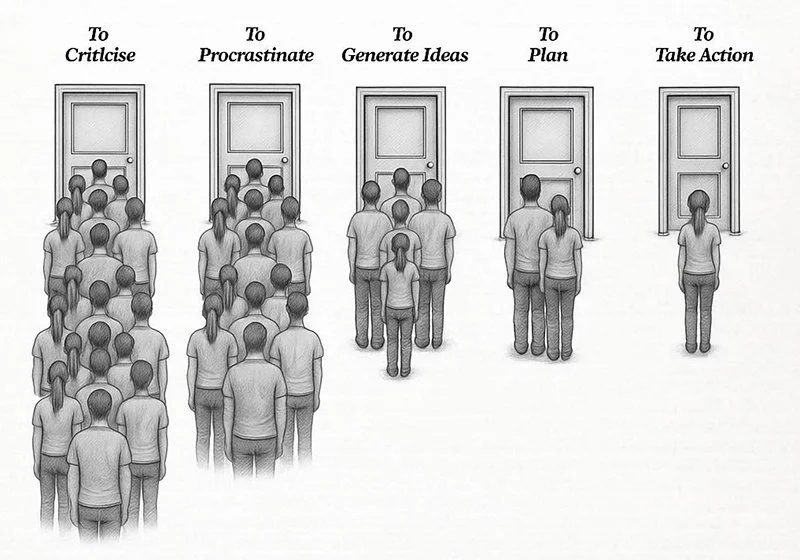
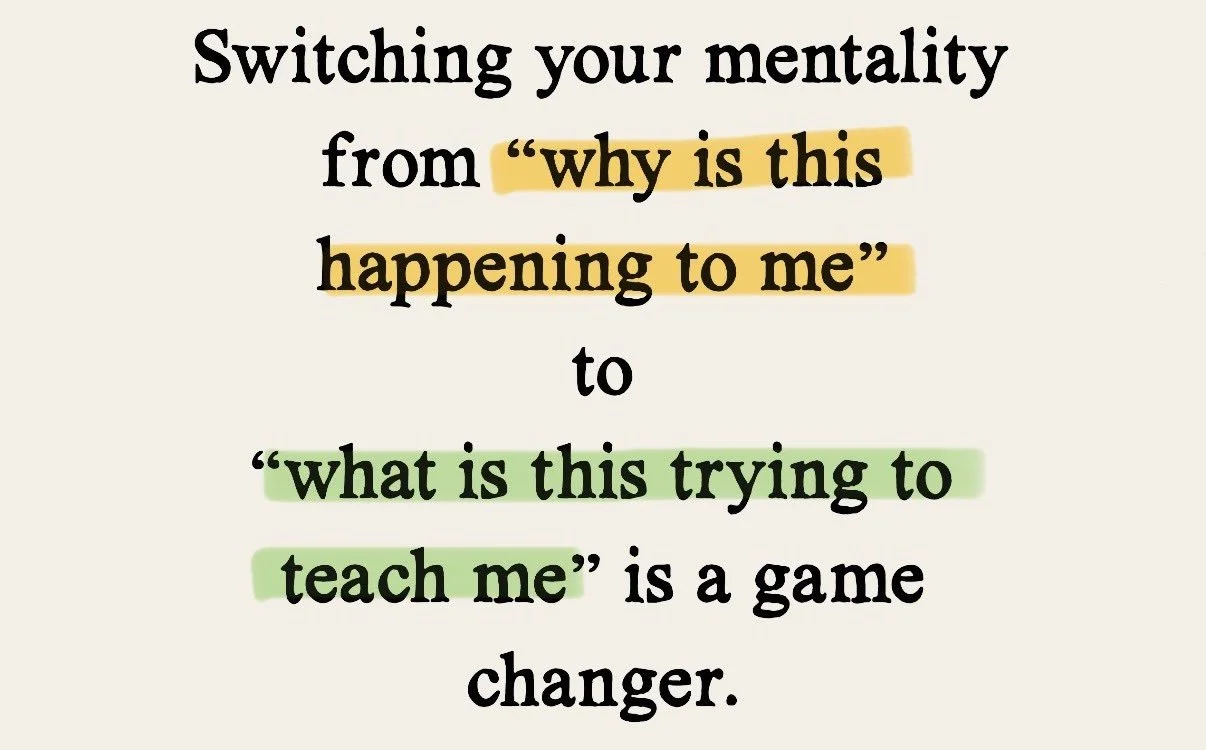
In business, why questions often generate creativity by reframing problems and leading to new solutions. But in coaching, the opposite is true. Asking why can trigger defensiveness or pull a client into justification. Instead, coaching thrives on what and how questions, because they invite reflection, unlock new perspectives, and move the client toward action.
You are not passive
Calm leadership reflects controlled power in motion. It shows up in how you manage pressure, make decisions, and create space for others to think and contribute. Rather than suppressing emotion, effective leaders understand it, channel it, and use it as a guide. With the right tools, you can respond with clarity instead of reacting on impulse, meeting challenges with focus, resilience, and confidence.
Where's your focus?
When you become a senior executive, no one expects you to do the work of an individual contributor, they expect you to lead at a senior executive level. The problem is, many leaders are not ready for that shift because they were never coached or prepared for the demands of senior executive responsibilities.
Coaching imposter syndrome begins with building a culture of coaching. It requires understanding that competence is not only about performing the job to a certain standard of “what good looks like.” It’s also about how others perceive you in the role. That perception isn’t shaped by occasional excellence, it’s shaped by consistent behavior, every single day. Contact me via email if you would like to have a informal discovery conversation.
How can I help?

Being a professional coach gives me a strong sense of identity and achievement. Our understanding of what it means to be an expert in a trade has evolved, and so has the idea of professions. The International Coaching Federation’s core competencies and code of ethics serve as an essential framework for how to conduct a coaching session.
I think a professional coach demonstrates four key qualities:
1. A shared purpose – connected to a greater good,
2. A body of knowledge – widely recognised and accepted,
3. Demonstrated skills – through consistent actions and behaviours,
4. Meeting stakeholder expectations – addressing the needs of a wider society.
If you are curious about how coaching could support your growth, contact me via email to arrange a confidential discovery meeting.
Coaching questions
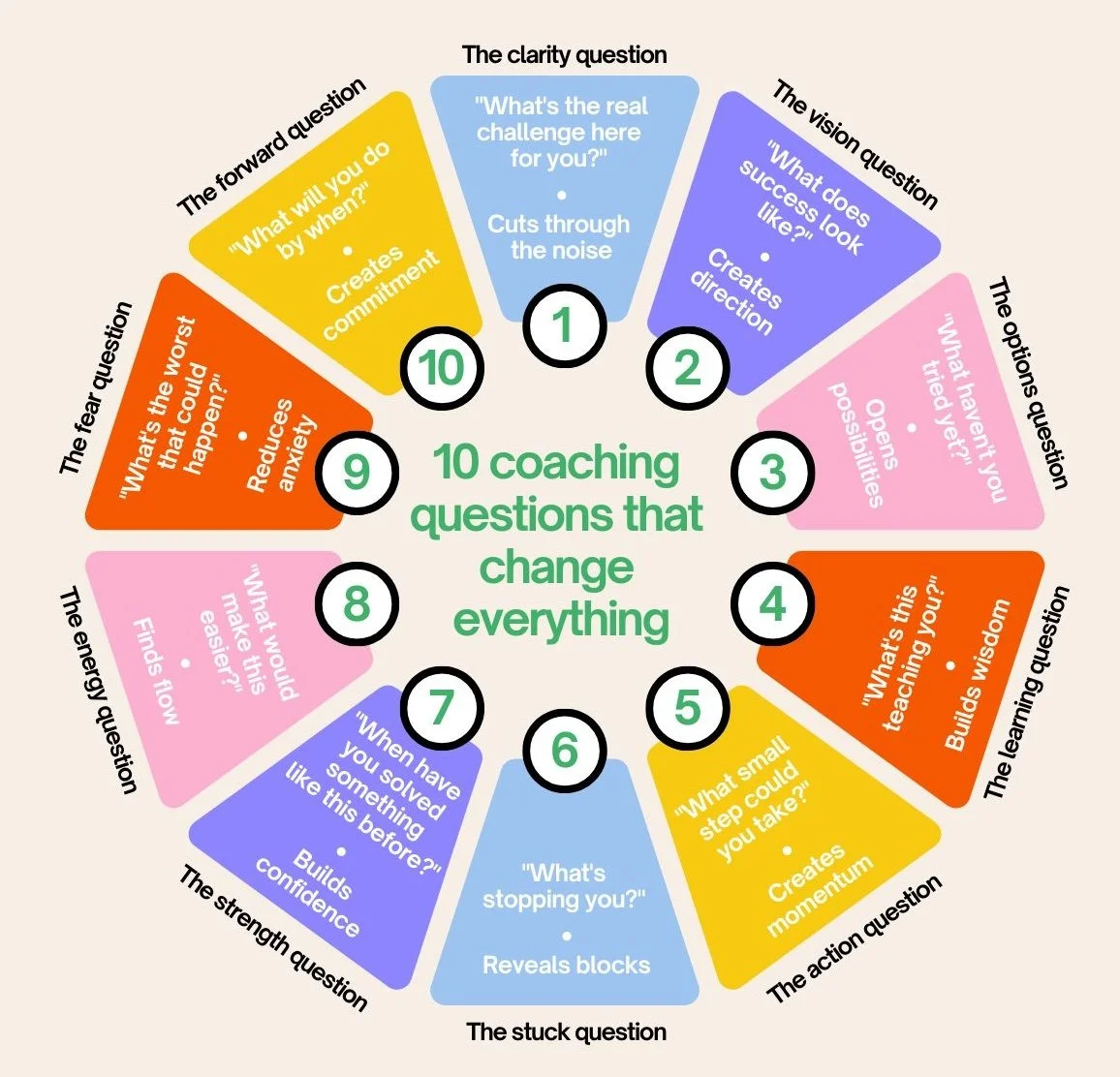
“There are more questions than answers
Pictures in my mind that will not show
There are more questions than answers
And the more I find out the less I know
Yeah, the more I find out the less I know”
Coach Burrell

When I coach, I don’t justify or explain the process to make it acceptable, I do it to help build a culture where people have patience with themselves and with others as they work through the challenges they face. Coaching is always confidential. I never speak about my clients, though they may choose to speak about Coach Burrell.
Throughout my career I have seen far too many people promoted into roles they were not fully prepared for. This often leads to two outcomes: they either take away empowerment and lead with command and control, or they struggle with imposter syndrome, feeling unworthy of the position. The best time to prepare someone for their next role is before they step into it. Contact me via email if you would like to have a informal discovery conversation.
Don't overshare information
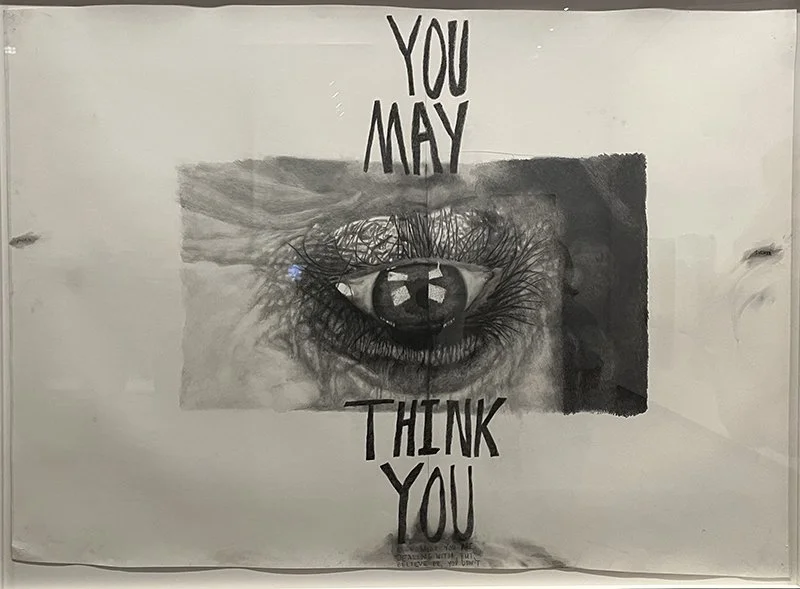
The key to remaining transparent and authentic lies in balancing honesty with professionalism. Being authentic means having clear values, believing in them, and acting in alignment with what you think is right. It doesn’t require sharing every emotion with everyone at all times. Transparency involves openness, and it must be exercised with discretion. I think you need to be honest, but never to the point where honesty crosses into unprofessionalism.