

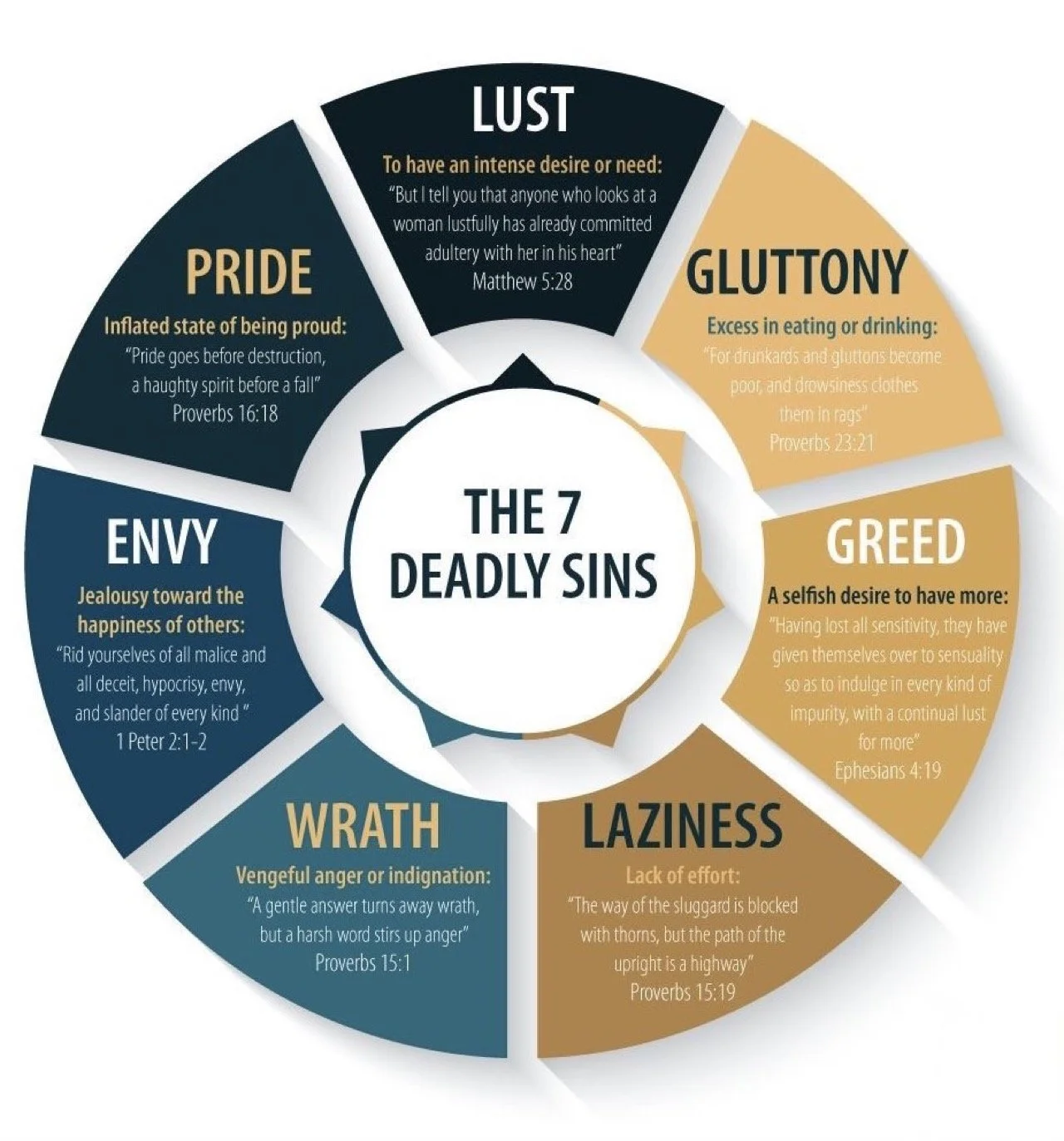
The seven deadly sins of Roman Catholic theology are pride, greed, lust, envy, gluttony, wrath, and sloth.
We are all hypocrites
We are all hypocrites and that’s part of being human. We all hold values we don’t always live up to. We all make choices that don’t always match our ideals. The goal isn’t to hide our contradictions, but to understand them and lean into the parts we can sustain over time.
I think attention’s best friend is trust. You can get attention without trust, but it doesn’t last. You can earn trust without much attention, and that’s worth far more. So, maybe we are measuring the wrong thing. Because remarkable doesn’t mean loud or viral, it simply means worth making a remark about.
Honour your body

I think a healthy mind leads to a healthy body, because the connection between movement and mindfulness points to a deeper truth. When I quiet the noise and focus on the present, I create space for balance and well-being. That harmony isn’t just physical, it’s also emotional, mental, and spiritual.
Mirroring others
If you grew up in a smaller town, I don’t think that you would have had the same level of stimulus as people in London or other big cities. One of the quiet revolutions of the past 20–30 years is how digital technology has closed that gap, giving everyone access to the same information, opportunities, and inspiration, no matter where they live. Now how are you going to use this new knowledge?
International Citizen Days
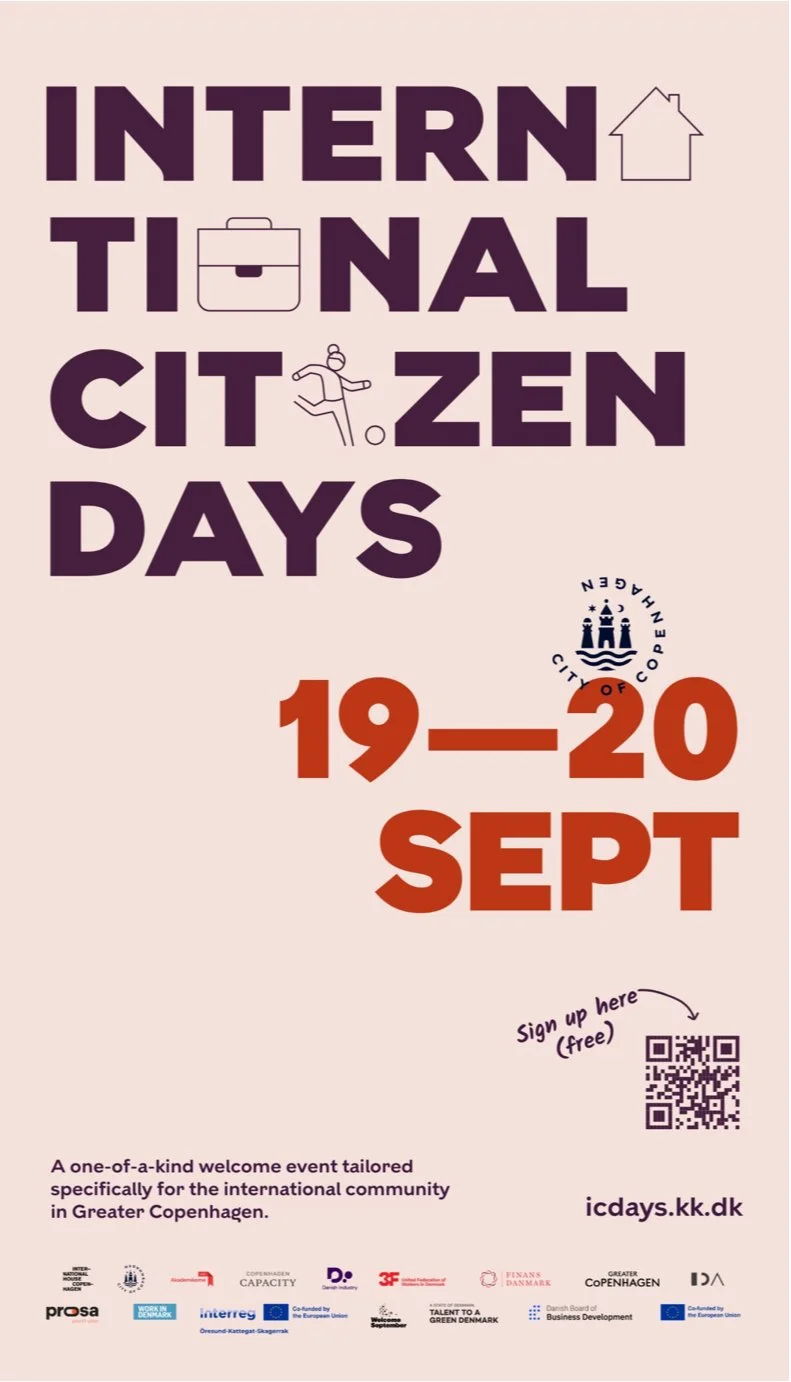
The Copenhagen Municipality are doing their best to integrate international. You can find BPoC on Stand D32 today and tomorrow.
White is also a colour

At the Brotherhood for Professionals of Color (BPoC), we know that being ‘of colour’ is not limited to being Black. Our community reflects many shades of brown and beyond. While society often simplifies identity into boxes, we stand for a richer truth: diversity includes a spectrum. AI think white is a colour too. What matters most is not the shade of our skin, but the shared commitment to equity, respect, and belonging.
Context before content

White privilege is not saying your life has not been hard, it’s saying your skin colour hasn’t contributed to the difficulty of your life. I understand that your life as a white person may be hard because life is hard, but your whiteness isn’t what has made your life any more difficult. Whereas a Black person, your blackness has contributed to your difficulty. I think privilege is immunity from certain punishment or special access granted to certain things.
What are you doing with your privilege?
I say to my white friends and family members don’t feel guilty because you are white, I say use your privilege for the benefit for those that don’t have it.
Measuring the wrong thing

Why is most of what we measure in business is meaningless?
Today, people are more distracted than ever by false proxies, things that are easy to measure but ultimately meaningless. In hiring, it might be: Do you look like me? Did you attend the same university? This criteria has no proven link to someone’s ability to perform well. Online, it’s the vanity metrics that social media platforms make so easy to track. What really matters is impact: did I create enough change in someone that they want to share it with others? I think when they do, it raises their status and strengthens their connections and that’s the real signal of value.
Stop living in reactive mode
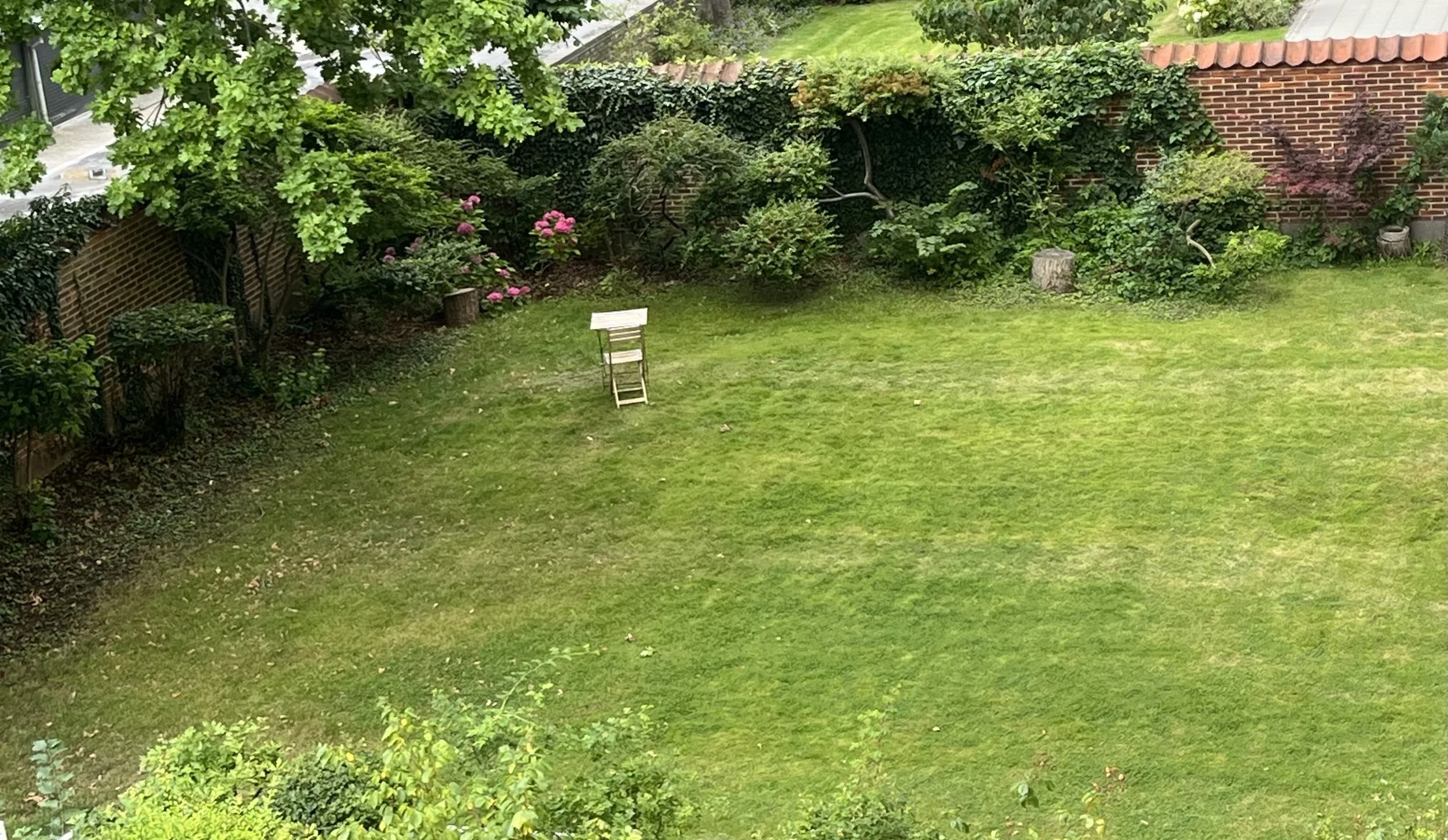
You were not built to constantly respond to other people’s priorities, notifications, or demands. You were not meant to go through your day passively reacting to what happens to you, instead of actively choosing how you want to show up. When you live like that for too long, you lose touch with what actually matters to you.
Your brain doesn’t need more cheap dopamine, it doesn’t need another scroll, another hit of urgency, or another crisis to solve. I think it needs presence, connection, sunshine, nature, rest, exercise and some good music.
Sitting with your thoughts
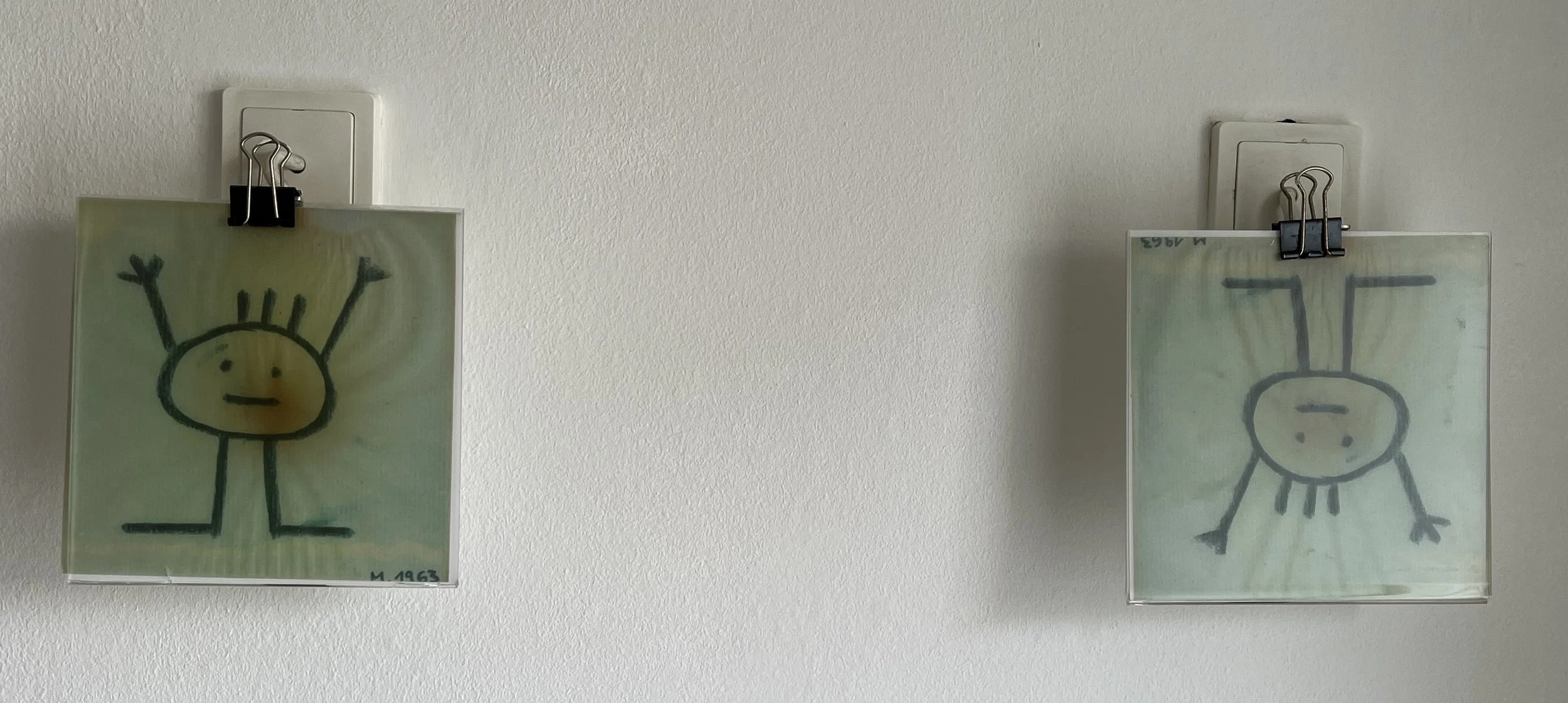
Why do we struggle to sit with our own thoughts?
We are constantly exposed to visual stimulation, from social media, advertising, curated images of success and beauty. This has made us hyper-focused on how we appear to others. Instead of living from the inside out, many of us live from the outside in. We measure our worth by how others perceive us. We seek validation and overvalue other people’s opinions, while our inner voice gets quieter. I think as a result, we don’t really know what we think or feel, apart from how we assume others see us. And this makes it so hard to be alone with our thoughts, because we are disconnected from them.
Perspective is everything
This 1986 ad screened by The Guardian changed how we view things with its shocking visual of a 'skinhead' seemingly taking a man's briefcase. But it's only when you enlarge your view, that you see the full picture.
You have to get used to “no”

Why are so many young men choosing porn over the risk, effort, and vulnerability of real-life connection? Recent research shows that 51% of young American men have never asked a woman out in person. That stat doesn’t just speak to fear, it suggests a skill gap. Engaging in conversation, dressing well, showing up with purpose, and persisting through discomfort takes practice. Maybe it’s time we started training men in “no” exercises, because success in life comes down to your willingness to ask, for example, to ask for help, friendship, a job or a date…and be ready to hear “no.” Again and again. Porn, by contrast, offers a quick dopamine hit with no risk, no rejection, no growth.
I think without learning to face rejection, how will men ever develop resilience, confidence, or presence? Where do they learn to demonstrate excellence? That venue used to be social life, now it’s time to reclaim it.
Roskilde Festival update


Old friends from gymnasium meeting up at Roskilde, and then you realise that your proximity to royalty is really close.
Musical improvisation

““I told them an artist’s first responsibility was to himself. I said if he kept getting upset with what other people think he ought to do, he never would get too far, or he sure wouldn’t last. I tried to make them see how I had worked all my life to play myself… They said they understood. I hope they did.””
Setting the stage

How do you lead others who don’t share the same life experiences as you?
The challenge for leaders is to take everyone on the journey, not just those who are like them. My definition of leadership is when others choose to follow you in the absence of power, authority, or position, because they believe in you and the direction you want to take them. I think many people report to bosses, but not necessarily to leaders. Leaders may not hold formal power, but they have the influence to inspire and move people. As leaders, we must invest time in learning about the lived experiences of others.
Moving beyond words

It is important to consider that cultural norms and backgrounds, particularly among minorities in Denmark, often correlate with lower socio-economic status. I think that this should be factored into our considerations, as talent should never be restricted by a lack of opportunity. Many individuals from diverse backgrounds deserve to be further ahead in their careers. Talent must be given opportunities, and access must be provided for minorities and individuals from diverse cultural backgrounds.
A rude awakening

I have discovered something that’s both simple and radical: the biggest shifts in business don’t always come from data, strategy, or even a brilliant product. Often, they come from noticing what others overlook, from trusting your gut when logic reaches its limits, from asking not just “What’s the answer?” but “What am I missing?” I think beneath every decision, every brand, and every market lies one powerful, often hidden variable: human behaviour.
Look up

c/o Morten Vammen
If you promise to actively participate then I will promise not to waste your time. To quote William Shakespeare - "Something is rotten in the state of Denmark" - would be a disservice.
““Do well by doing better and do better by doing well.””
Driving performance

c/o HBR.org (PM Images/Getty Images)
Translating performance into metrics doesn’t always lead to the kind of breakthrough growth organisations are aiming for. There’s an important distinction between a performance culture and a growth culture. In many workplaces, performance culture is celebrated and often, it shows up as checklists, operational KPIs, and a strong focus on sticking to the plan. While that can drive consistency, it may also limit innovation and agility. I think in today’s rapidly changing world, what most organisations truly need is a growth culture, one that embraces change, encourages experimentation, and views adaptability not as a risk, but as a strength.
Do you care?
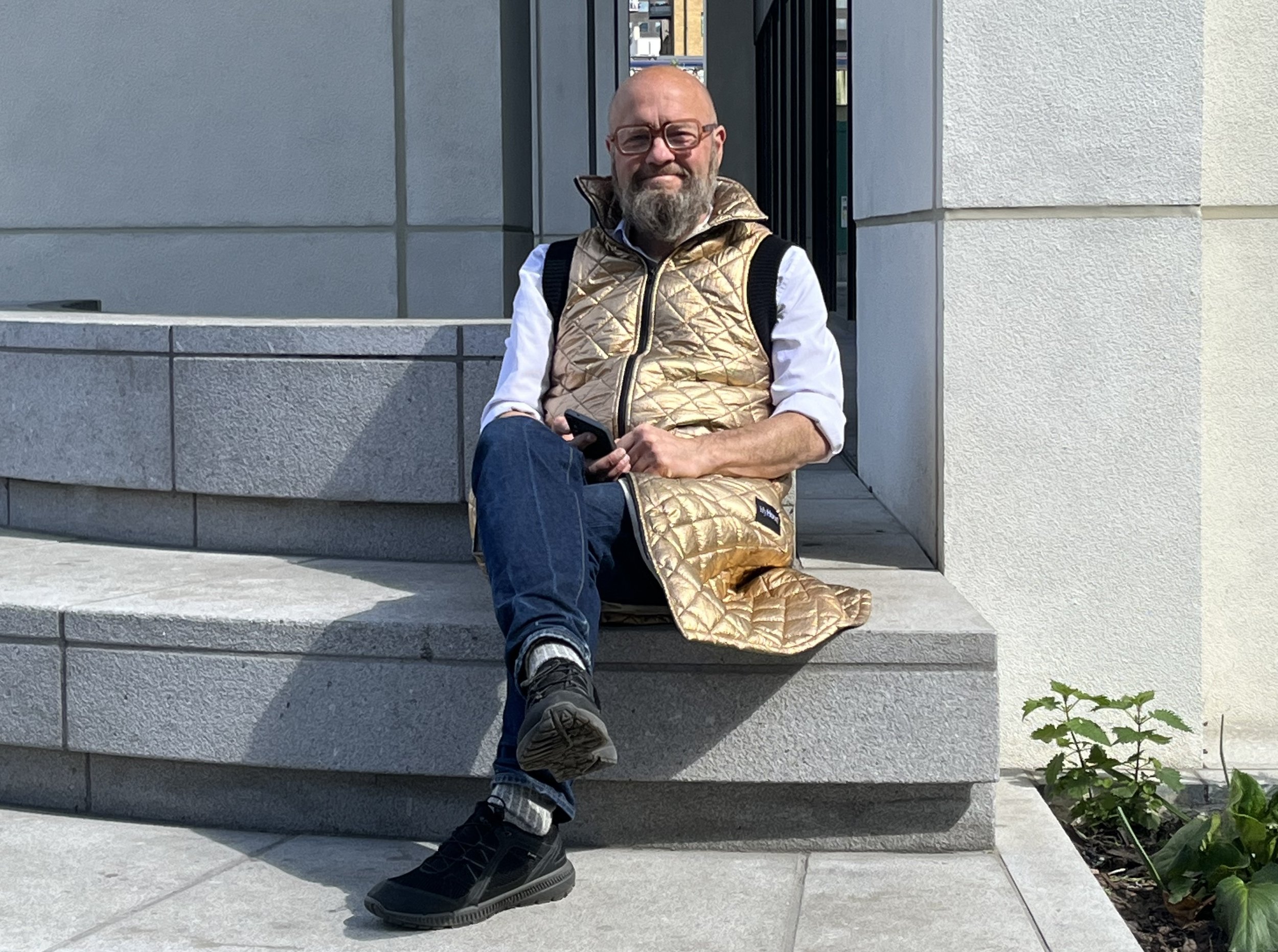
I think disappointment, though uncomfortable, can actually be a sign that someone cares, it means there’s an emotional investment. So, the real question becomes: What do I value, and what do I need to do to honour myself in this? Sadly, we are living in a time where many relationships feel transactional, but choosing to lead with presence and authenticity is how we bring meaning back into them.