

Business leaders are under pressure come up with a corporate purpose and defining your purpose is equivalent of being able to define your organisations North Star. I think to qualify as a “North Star,” a metric must do three things: lead to revenue, reflect customer value, and measure progress. Finding the right answer involves identifying the most authentic and motivating basis for alignment among key stakeholder groups on which the success of the business depends. For example, climate change, workplace safety, diversity, employee well-being (whistleblower platforms), etc. Contact me via e-mail to discuss the possibilities for your organisation to incorporate the 2030 Sustainable Development Goals into your strategy.
The black belt of discovery

What’s the outcome that keeps you moving forward?
Everything in business comes with a cost and sacrifice and it’s not always smooth and easy. I think the road is paved with nothing but potholes and bumps, so you need to have a clear direction to start with, and that’s what a robust strategy will provide you with. First this will give you a direction that you are confident in and then you will be more willing to change and shift that direction. The direction has to have some way to anticipate change and cascade this strategy throughout the organisation. Those of us working directly with customers and witnessing their direct response to new products, services or innovations can then put these responses back into the strategy process.
This is one side of the coin

What does purpose really mean?
Purpose is one of the hot topics for the moment, just like mission and vision were thrown about in the 1990’s. Jonathan Knowles HBR article from March 2022 explained that different organisations use purpose in different ways; some are around competence, some are around culture, and some are around cause. I think all organisations really need to understand which type of purpose is most authentic to them, fits with their strategy and really aligns with their stakeholders. Organisations have to be really thoughtful around what really motivates employees and helps them with that alignment process as you are trying to implement strategy. Pursuing purpose is a good idea but you have to get the right purpose and ensure it’s authentic, sits with the strategy and serves stakeholders.
Athletes don’t crack under pressure

Working in sales means that you are speaking to people every single day and just like in sports not everyone is going to like you. I think sales is a great career for sportspersons and competitive minded individuals who are continuously looking to grow themselves. Sportspersons know how to work together as a team, we know how to take coaching, we know how to communicate, we know how to prepare, we know how to lose and bounce back from that loss and have another win. You may not get it all these things if you haven’t played elite sports. Once you have played elite sports then you understand how to get through challenging moments and I’m convinced that you have gained that resilience and toughness to make it through tough times.
Patience is a virtue

“True transformation takes time and happens through a series of phases. Skipping steps only creates the illusion of speed and never produces a satisfying result.”
A young entrepreneur in India

How to add value to discarded materials?
Ashay Bhave is a 24-year-old Indian entrepreneur who makes sneakers from plastic bags and bottles. The brand is called Thaely and they manufacture 15.000 pairs of shoes per week. Ashay’s start-up procures raw material from a waste management company. Plastic bags are turned into a fabric called ThaelyTex with the help of heat and pressure. The fabric is then cut into shoe patterns. Plastic bottles recycled as recycled as a fabric called rPET (Polyethylene Terephthalate), is used for lining, shoe laces, packaging and other parts.
Can a small company like this compete with global brands like Adidas, NIKE, and New Balance? See video here
Saleable content

I think that in every start-up, you need the following:
- Someone who always wants to get things done
- Someone who obsesses over numbers
- Someone who is honest about things that doesn't work
- Someone who is eternally optimistic
The “someone” I describe above could be the same person. I have heard about start-up companies who don’t know who they are, they don’t have a business model, and they don’t have great market segmentation, in other words how to approach a market. Unless this is all in place, I would not work with them as I cannot guide them through a sales process or teach them how to sell more effectively. Not knowing who to target, who to sell to, what price points to be at can really impact how you can sell effectively in any marketplace.
Redefining your goals

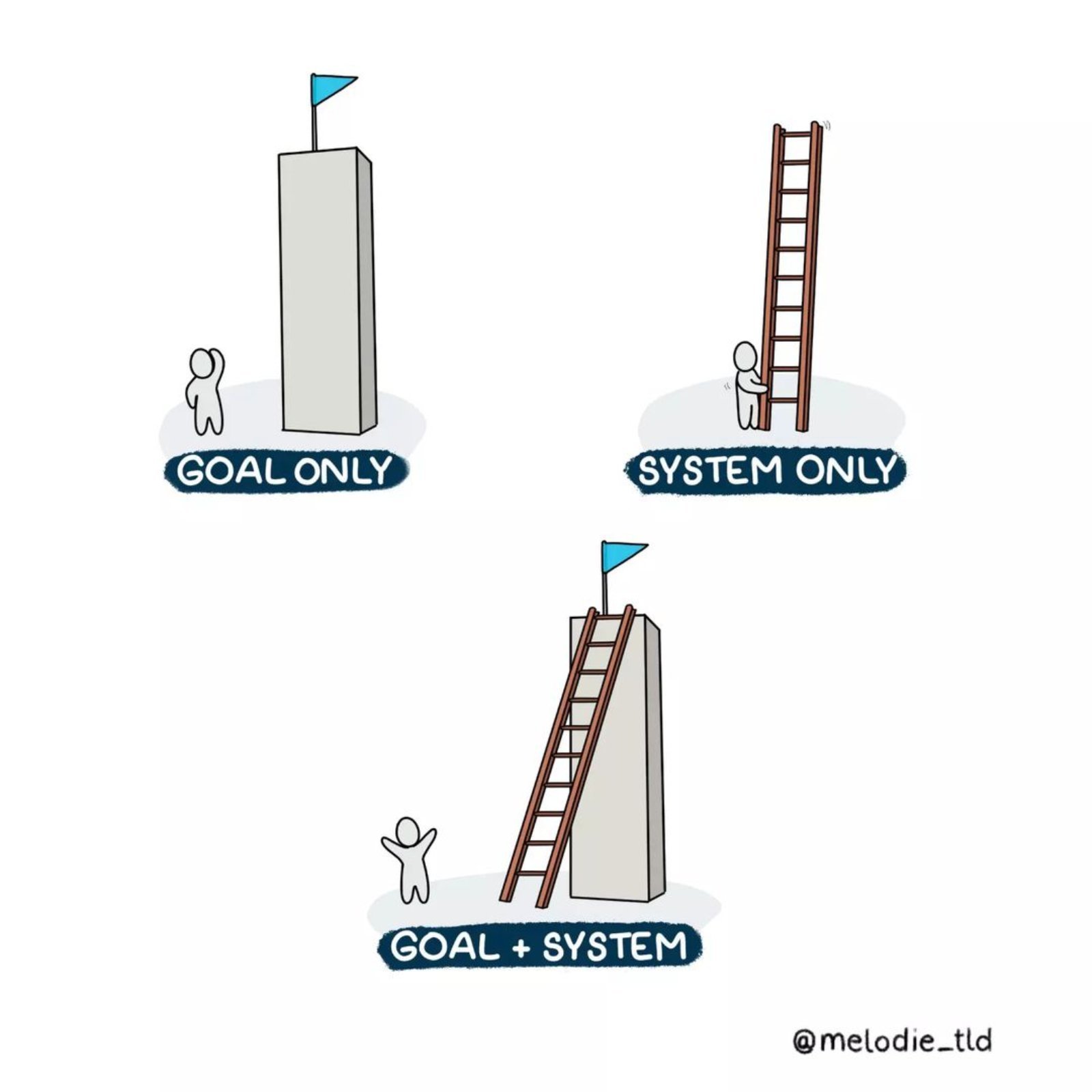
A campaign without a clear goal is essentially a waste of money, as you won’t know how to measure the impact or value of the work you’ve put in. Goals are there to provide clarity, purpose, direction and vision. Whether personal or commercial, they are what lead to success for you, your department, and the business as a whole. Hitting your goal proves you're making an impact. Contact me via e-mail for an evaluation of your goal setting procedures.
Identifying your brand metrics
What goals should brands be focused on?
It’s a combination of enhancing your brand, building up your credibility and cache and lead generation. There are several other goals that may be important as well, such as the sense of accomplishment. I’d strongly suggest that you don’t let the more intangible goals get in the way of the tangible ones as you can do both – it just takes planning, discipline, and focus.
Here are some action goals:
⁃ Add value
⁃ Make it work for them
⁃ Know your business goals
⁃ Make it actionable
⁃ Stay flexible
Contact me via e-mail for an overview of your brand goals.
All business is personal

Why is it necessary to know people before you ever need them?
Remember that if you can build people up then you can build a business. In my experience I have found that sometimes people have ulterior motives with regards to the relationships they enter into. I think that when you create authentic relationships, you’ll see other possibilities to help each other along the way. My parents gave us the wings to try something new and they constantly told us that there is only one business and that’s the people business. It doesn’t matter what industry you work in, if you take the people out of the business, you’ll have nothing at all.
Third quarter overview

c/o Nasdaq
As we enter the third quarter, it’s time for the annual look at your messaging and product offering. It’s time to break free from the myopic way of thinking to focus on what your customers or potential customers are looking for now and in the next 12 months. Whenever you next bring your team together, examine your organisation as it stands now. Revisit your mission statement, core values, your product assortment and ask yourself: What is the value your customers are seeking from your products? Why would people buy or use it?
It’s important to understand who your customer is in terms of psychographics, behavioural factors and to a lesser extent demographics. The world around us is continuously changing in a whole variety of ways, therefore, you always need to be visionaries and remain forward thinking to stay ahead of your competitors.
The Golden Circle defined

WHAT?
Every organisation knows WHAT they do. This is where the organisation now sell their products or services.
HOW?
Some organisations know HOW they do it? This represents the processes and strategies the organisation uses to achieve success. These are the things that make them special, in other words, what sets them apart from their competition.
WHY?
Very few organisations know WHY they do what they do. WHY is not about making money as that is a result. The WHY focuses on the purpose, cause or belief, it’s the very reason your organisation exists.
“People don’t buy what you do, they buy why you do it!”
The Golden Circle

In his book, “Start with Why: How Great Leaders Inspire Everyone To Take Action,” Simon Sinek discusses the principals behind every successful person and business. It’s a simple and powerful model for how leaders inspire action, starting with a “Golden Circle” and the question “Why?”
“First why and then trust.”
Leaders and organisations with the capacity to inspire, think, act, and communicate from inside out and that’s why they start with “Why?” And this drives decision-making and behaviour when we communicate in that way.
Will you remember me?

What’s the one thing you want people to remember?
To answer this question, I would have to think of a person that I respect and the traits they have that I really like. Vision and mission have been popular concepts, these terms are often mixed up and their differences are not understood. Let me clarify:
A vision statement is an aspirational statement made by an organisation that articulates what it would like to achieve. For example: What is the dream you have that describes an ideal future state of your business?
A mission statement is defined as an action-based statement that declares the purpose of an organisation and how they serve their customers. For example: What you do? > How you do it? > Why you do it?
You can't have one without the others
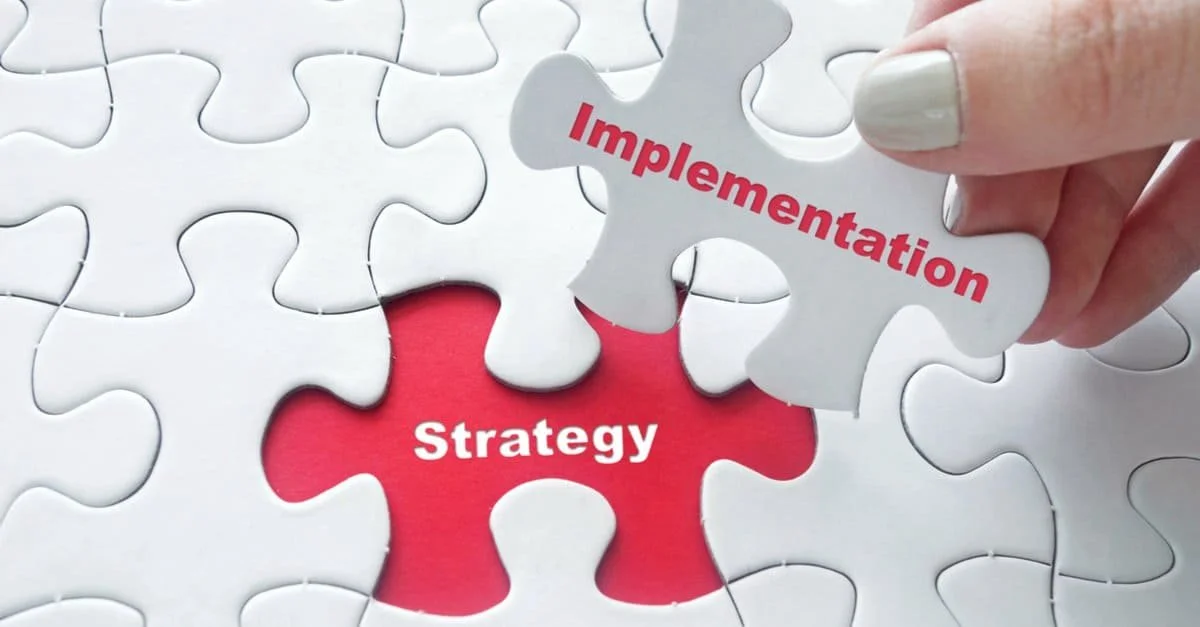
There are two things that you have to do in order to grow your business:
You have to have a really good strategy based on your understanding of the market and competition, future technology, and anything else that is happening in your landscape.
Execution and implementation. I think executing your strategic plan is as important, or even more important, than your strategy itself. Implementation is the process that turns strategies and plans into action in order to accomplish strategic objectives and goals.
Strategy, implementation, and execution are synonymous and we need all three if you are to succeed as an organisation or business entity. One is about the plan and the others are about how to get the plan done, I don’t think you can have one without the others.
Success is a skill

One way that racism consistently shows up for me as a black man is in constantly being underestimated, and there’s something exciting about being underestimated. I know that success is a skill and the traits that led you to be successful where you are will lead you to be successful wherever you go. This is because the traits always include how to intellectually evaluate opportunities and figure out what forces to bring to bear on them. If you have succeeded before in whatever field, take a moment to evaluate and see what happened. I think that your evaluation process will always end up at some combination of observation, planning and execution. And in all these combinations, there is a thread of flexibility, intelligence and sticking to your values.
NB: Today is the first anniversary of my mother’s death and this blog is dedicated to her. It doesn't mark the end of grief, but it does mark a transition in my mourning process. See it > Say it > Write it ❤️
Keep it simple stupid

via The Guardian
“Complexity causes confusion.
Confusion creates inconsistency.
Inconsistency creates failure.”
Plan your project

Whether you are a multinational organisation or a smaller business, the way we are working is changing. As strategy shifts in many industries to being more experiment centric, projects are going to become more and more critical for achieving excellence in execution. Many things in life are projects, therefore, I think project management skills touch every part of our lives and as a result, project managers will need a new approach and mindset. Contact me via e-mail for workshops and roadmaps on how to navigate a successful project and the common pitfalls to avoid.
Listen to the minority voice

I attended the Presidents Summit in Copenhagen on Monday, and I have now had time to reflect on how fortunate I was to be invited to this wonderful event. I was grateful for both the auditory and visual inputs from Linda Hill (Professor and Faculty Leader at Harvard Business School), Itay Talgam (Conductor and Leadership expert), Henrik Andersen (CEO, Vestas), Robert Waldinger (Professor at Harvard Medical School), Ashley Whilans (Professor at Harvard Business School), Daniel Pink (Author and Human Behaviour expert), Neil Strauss (Author) and Antonio Nieto-Rodriguez (Project Management expert). It's our nature as human beings to only remember 20% of what we hear and only 30% of what we see, however we remember 50% of what we both see and hear.
Linda Hill left us with some exciting questions:
1. How much time do you spend on ”coulds” and ”shoulds”?
2. How do you encourage diversity of thought?
3. How do you get people to view reasonable missteps and intelligent failures as learning opportunities?
4. How do you ensure that people don’t compromise to quickly – as opposed to working through differences – when making decisions?
5. Are you developing talent to be value creators and game changers
6. Is your team collaborative ready?
Perceived value

Affordable luxury in simple terms means that luxurious products within the financial reach of a much larger buying segment than for example, in the case of Louis Vuitton or Chanel. In the past, luxury meant exclusive and privilege to the wealthy. Luxury has always reflected one’s personality, but nowadays luxury has become accessible. As luxury begins to target the younger population there will be a movement towards sub-labels and diffusion ranges, for example, Marc by Marc Jacobs, Armani Exchange, McQ, See by Chloe, etc. Sometimes there is very little differentiation on the product and quality fronts, but in most cases the logo and communication can create a perception of luxury.