
personal

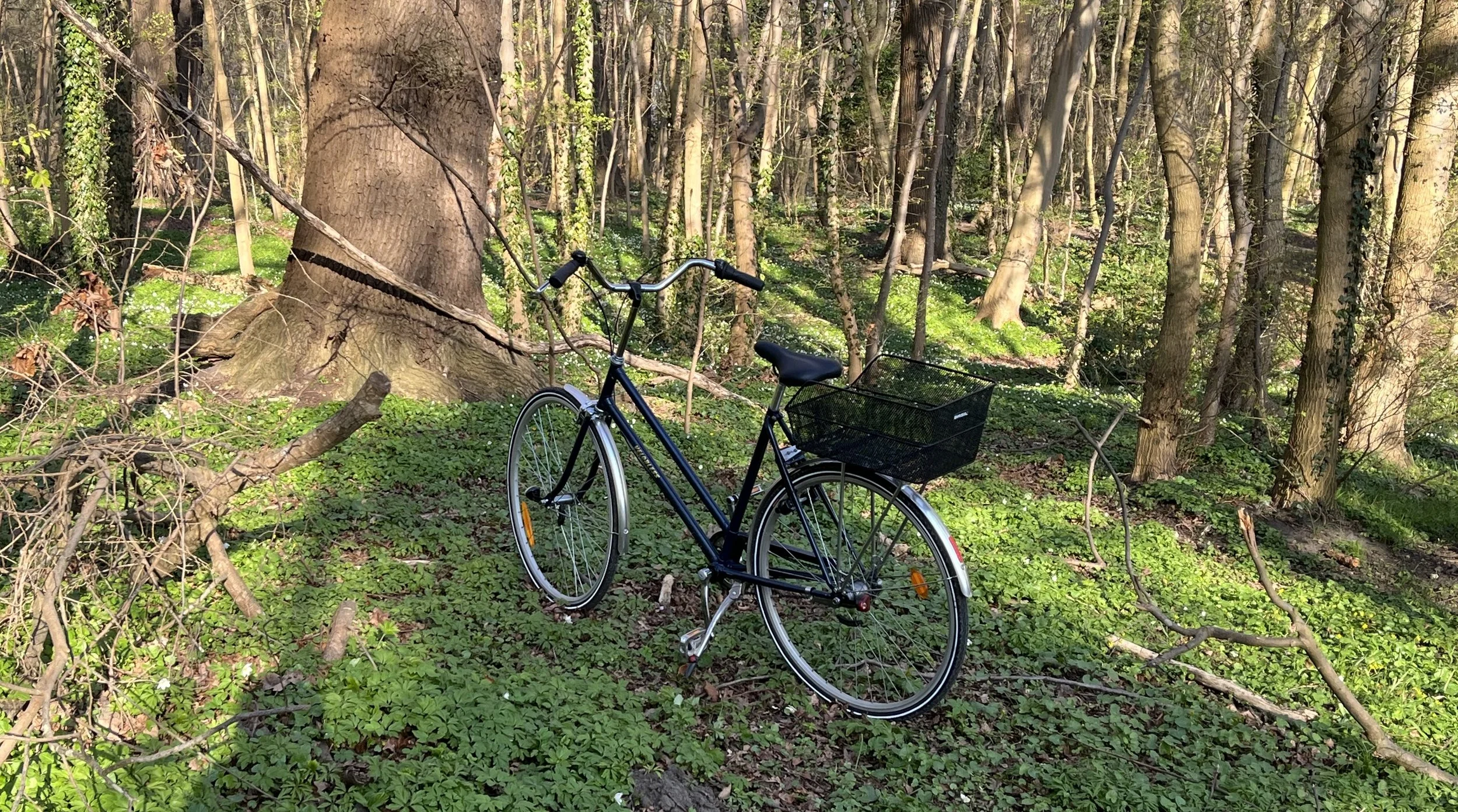
It's not my bike

In her book, “The Will to Change,” bell hooks argues that many men are socialised to view love as something that must be earned through performance rather than practised through connection. As she writes, "Males are not allowed simply to be who they are and to glory in their unique identity. Their value is always determined by what they do." When self-worth becomes closely tied to achievement, status, or provision, relationships can begin to feel transactional. The focus shifts from connection and vulnerability towards performance and validation. Over time, this can limit a person's capacity for intimacy and create emotional distance from both themselves and others.

What I find particularly interesting is that these patterns are not exclusive to men. Many women also learn to tie their worth to performance, achievement, or the expectations of others. The underlying challenge is human rather than gender-specific: when we measure our value primarily by what we do, we can lose sight of who we are. I think healthy relationships, whether personal or professional, are built on mutual respect, trust, and genuine connection. They thrive when people feel valued not only for their contribution, but also for their humanity. Perhaps one of the most important questions we can ask ourselves is this: Are we relating to others as people, or are we evaluating them through a lens of utility, performance, and expectation?


Everyone has capital

As we move through life, our relationship with time and resources shifts. Youth often gives us an abundance of time with limited financial means. Later in life, we tend to accumulate more capital, yet the time available to enjoy it becomes more restricted. This makes intentional living more important.

How seriously do you take your appearance and the impression you create?
Do you have a clear plan for your personal and professional growth?
Have you built a kindness practice that shapes how you show up for others and for yourself?
In your daily actions, how do you demonstrate excellence?

These questions help anchor our choices and ensure that the way we live aligns with what we value most. If this feels familiar, contact with me via this link to schedule a complimentary 30-minute discovery call.


Leading organisational growth

A defining trait of strong leadership is the commitment to investing in the development of team members, as fostering their growth leads to both individual and organisational advancement. Offering opportunities such as mentorship, professional training, and skill-building initiatives not only enables employees to progress in their careers but also strengthens the overall capabilities of the workforce. By actively supporting the personal and professional aspirations of your team, you cultivate a culture of continuous learning and improvement, which in turn enhances innovation, productivity, and long-term success for the organisation as a whole.

If you're ready to enhance your leadership skills and create a more engaged, motivated, and high-performing team, let's connect. Contact me via email to schedule a 1:1 discovery meeting and take the next step in your leadership journey.


What is coaching?

c/o ELLE magazine

The International Coaching Federation (ICF) defines coaching as partnering with clients in a thought-provoking and creative process that inspires them to maximise their personal and professional potential. The process of coaching often unlocks previously untapped sources of imagination, productivity and leadership.

We all have goals we want to reach, challenges we are striving to overcome and times when we feel stuck. Partnering with a coach can change your life, setting you on a path to greater personal and professional fulfillment.


Professional growth through coaching

I think coaching is such a powerful tool for personal and professional growth. By offering insights, experiences, and constructive feedback, coaches can guide coachees toward their goals and help them unlock their full potential. Here’s an example of constructive feedback…
Every leader should ask themselves these questions on a daily basis:

  1. What did I do badly?

  2. What did I do well?

  3. What can I do differently tomorrow?


More food for thought

Any relationship that doesn’t have trust isn’t going to work, and I mean neither romantic nor professional, as I think trust is the most important part of any relationship. When the economy breaks down, it usually breaks down because there’s no trust in the markets, for example, banks that think the economy is going bad don’t trust consumers and don’t loan money, and subsequently, consumers who don’t trust their economic futures will not go out and buy things. Corporations who don’t trust consumers to support them won’t make investments or hire anybody, and this breaks down an economy. It’s the same thing in relationships, if I don’t trust that you are going to love me back then why will I love you?


All business is personal

Why is it necessary to know people before you ever need them?

Remember that if you can build people up then you can build a business. In my experience I have found that sometimes people have ulterior motives with regards to the relationships they enter into. I think that when you create authentic relationships, you’ll see other possibilities to help each other along the way. My parents gave us the wings to try something new and they constantly told us that there is only one business and that’s the people business. It doesn’t matter what industry you work in, if you take the people out of the business, you’ll have nothing at all.  


Simple ways to say you care

Science-Spirituality.jpg

It is not everyone who wants to lead a deep and passionate life.
It is not everyone who wants to leave the world better for having passed this way.
If you do, here are some simple ways to say you care:

  • Is there anything I can do for you?

  • How can I support you?

  • Do you need my help?

  • I always have time for you...

  • You are really good at what you do...