
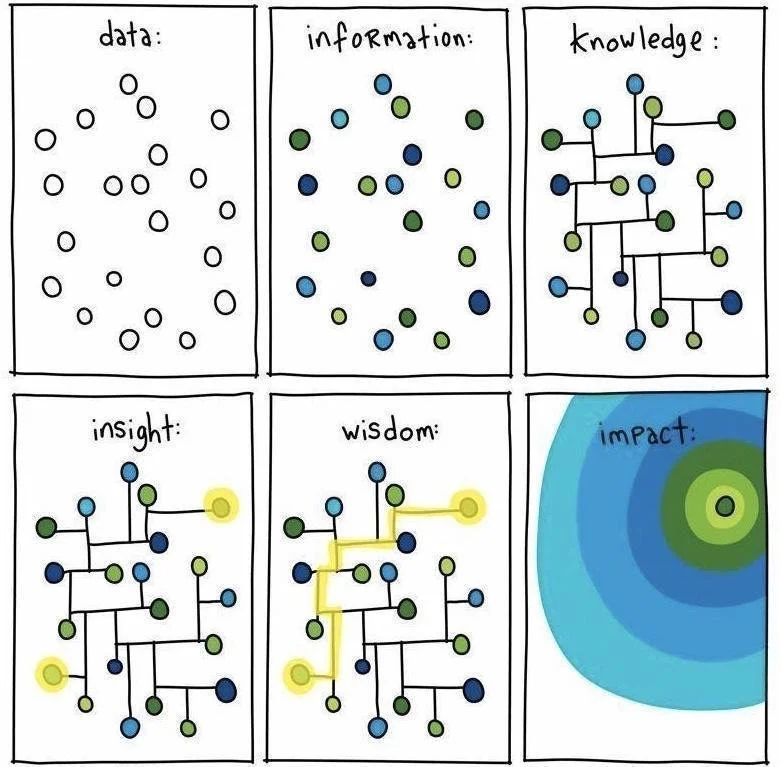
impact

Measuring the impact of coaching

What are we actually measuring when we measure the impact of coaching?

It could be technical capability, cognitive skills, emotional intelligence, confidence, behaviour or other human growth skills. The important question is not whether someone has changed, it’s whether that change is contributing to what matters to the organisation. I think a return on investment (ROI) is what matters to the organisation. And it’s our responsibility to identify meaningful indicators and show evidence that something is changing as a result of the coaching. This could include productivity, efficiency, employee satisfaction, leadership behaviour, confidence, decision-making or collaboration.

The impact should go beyond the individual, for example, Are you changing the culture? Are leaders telling a different story? Are behaviours changing across the organisation? Are you building a team rather than simply bringing together a group of people? Ultimately, measuring coaching impact is about connecting individual growth to organisational outcomes. Are people not only becoming better at what they do, and changing how they think, behave and work together?

Taking back your power

I think that if you want to achieve anything in this world you have to get used to the fact that everyone is not going to like you. And if you want everyone to like you then this would be inconsistent with making any significant impact. Therefore, I made a deal with myself a long time ago that if people didn’t like me because they disagreed with me then I was OK with that, and if a person didn’t like me because they were intimidated by something I said, then I was also OK with that. On the other hand, if someone I respected didn’t like me then I would have a problem, and I would definitely have to take accountability for that and admit that I am doing something wrong.


A Little About The Way I Think

IMG_7189.JPG

1) I spend my time listening and making others feel special rather than telling them how great I am.

2) I understand that relationships are built on trust, and trust takes time to develop.

3) I think that the best way to differentiate is to be honest, caring and hardworking.

4) I usually identify areas of shared interest and create opportunities for everyone to be a winner.

5) I provide encouragement, show concern, listen with interest and instill a strong set of values.

6) I always treat my clients with dignity and respect.