


We use the term code-switching to describe the way people adjust their language, communication or behaviour depending on the context they find themselves in. It doesn't necessarily mean that someone is being fake or inauthentic, although that is often how code-switching is perceived. The reality is that we all adjust the way we communicate depending on who we are speaking to and the environment we are in. I think this is a natural part of human interaction, and people who have grown up navigating different cultural environments can become particularly conscious of these shifts and the way they adapt their language to different settings.
Second guessing

Think about the cognitive load involved in constantly monitoring your body language, your tone of voice, your cultural references and your humour. Running a constant background calculation:
“Is this safe to say?”
“Will this make me stand out?”
“Will this mark me as ‘other’?”
That constant monitoring takes both mental and emotional energy. Energy that could otherwise be used to contribute, collaborate, solve problems, build relationships, be creative or simply do your job. Instead, it is spent managing how you are perceived. You are no longer simply participating in the environment, you are performing belonging. Contact me via this link for a complimentary discovery session.
Social acceptance
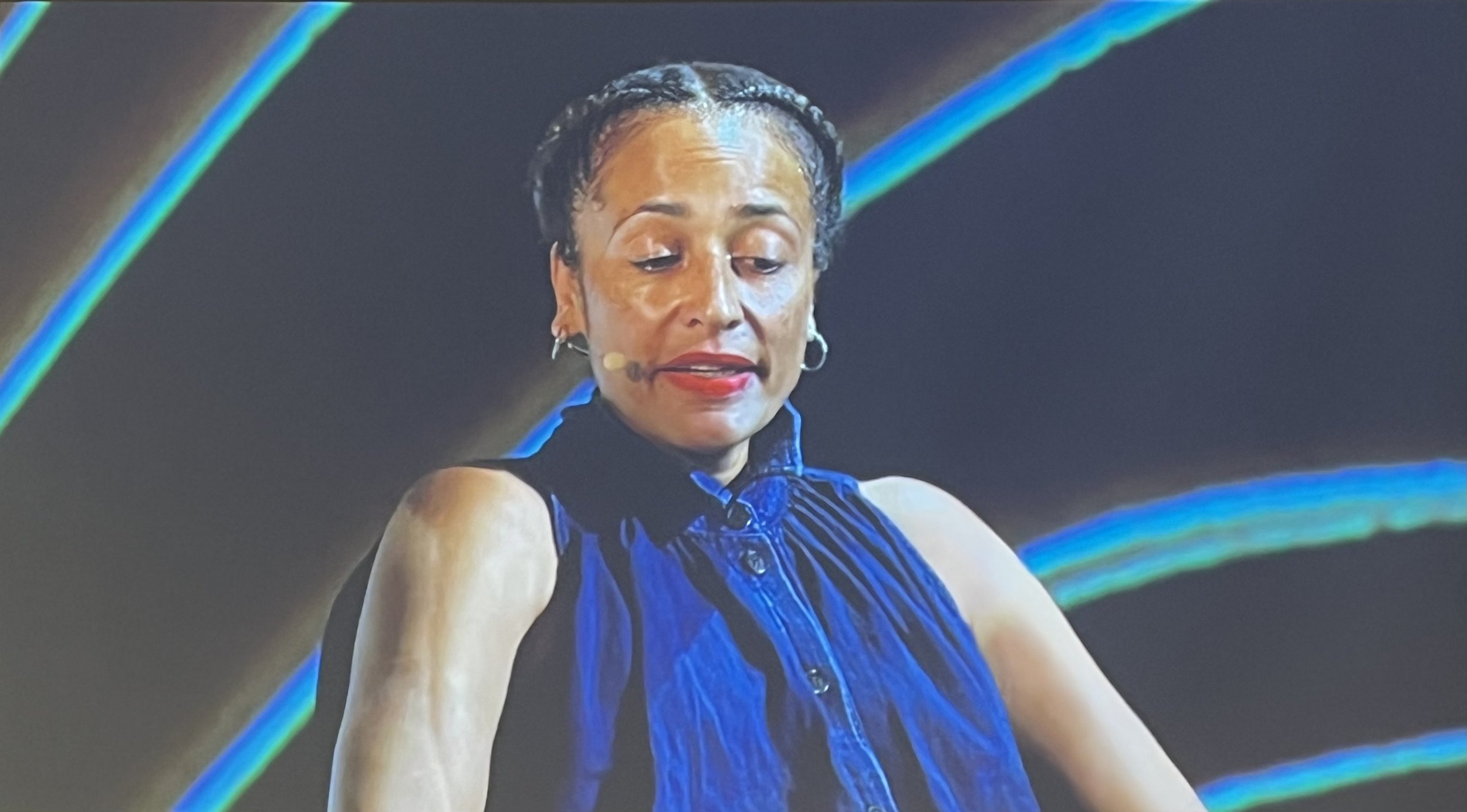
Code switching is a linguistic and behavioural strategy used to adapt to different environments. It can mean shifting from casual language and slang with your friends to a more formal tone at work. It can involve changing your posture, voice modulation, the references you make, the humour you use, or even the way you laugh. We all adapt how we communicate depending on the context and the people around us. To some degree, that is simply contextual intelligence. Knowing how to read a room and adapt your communication can be an important social skill.
However, code switching can take on another dimension when someone feels they need to change aspects of themselves to fit in, gain acceptance or avoid negative stereotypes. The distinction matters, and adapting to your environment is not inherently bad as in many situations, it is smart and necessary. The question is what happens when adaptation becomes a requirement for belonging. If you constantly feel that you have to modify your language, behaviour, appearance or personality to be accepted, you may start asking yourself: Who am I allowed to be in this space? And that brings us back to inclusion because a truly inclusive environment should allow people to adapt to the context without feeling that they have to erase parts of themselves to belong.
Quiet compromise

What does quiet compromise look like?
a) Adopting beliefs or positions you don’t actually hold to align with company culture or leadership expectations.
b) You start nodding along to strategies you think are flawed.
c) You stop voicing dissent because you’ve learned that agreement gets rewarded and pushback gets penalised.
Slowly you lose your moral compass, you stop asking yourself what do I actually think? What do I value? And you start asking, “What’s the safe position?”