marketing

Being aware and open to change

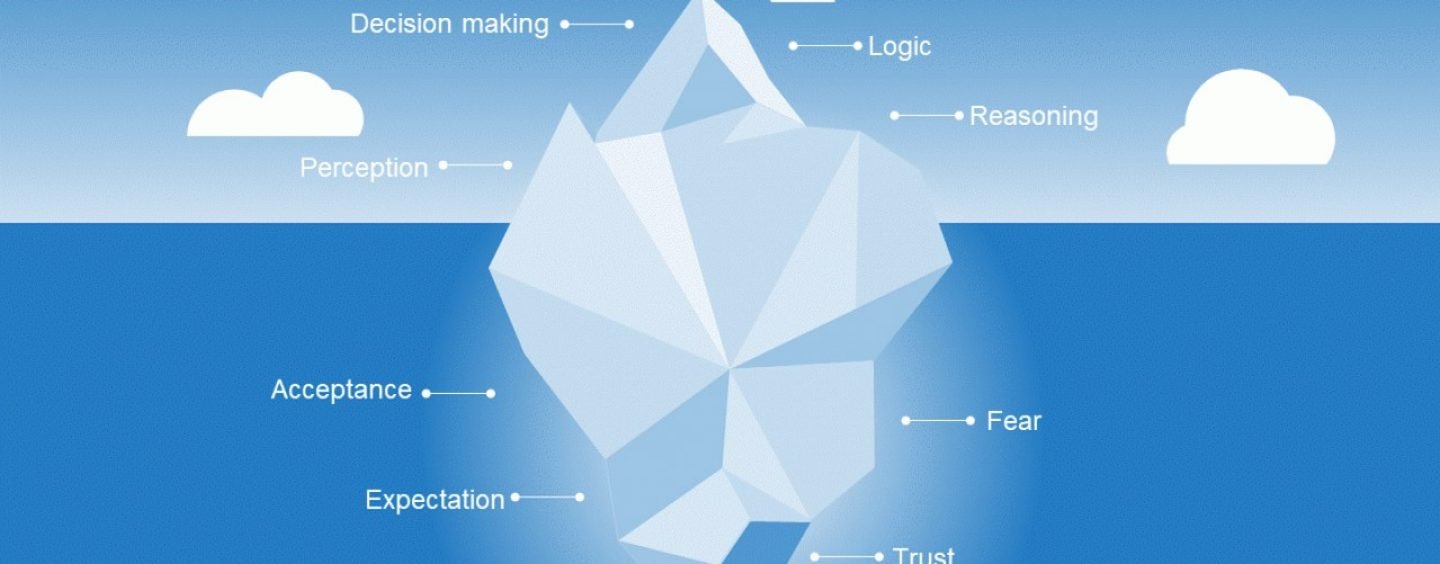
Your brain tells you that you are safe with people who look, think and act similar, this is one of our many and various unconscious biases. These learned stereotypes are very powerful as they are so deeply ingrained into our persona, for example, the biases we all hold around race, religion, gender, power, and privilege structures. Playing on our unconscious biases and fears is the bread and butter of both political and marketing campaigns. In order to ‘judge’ without undue fear, you need to look at your own biases and the fears that sit under them. I think we can overcome our unconscious biases by becoming aware and being open to change.

“Life is too short to worry about stupid things. Have fun. Fall in love. Regret nothing and do not let people bring you down. Study, think, create and grow. Teach yourself and teach others.”
— Professor Richard Feynman

Yesterday morning, I asked a woman if she needed help in carrying her pram (a four-wheeled baby carriage) down the stairs – I have to admit that I would not have asked a man if he were in the same position. I know that my actions were not a problem, they were courteous and friendly but underneath I may have unexamined bias about the difference in roles and capabilities of men and women. Contact me via e-mail and let me know how you deal with your implicit biases.

We can do it better

I do not define marketing as hype, advertising, promotion, scamming with selfish, narcissistic short-term thinking. Marketing is telling true stories that spread stories that change people’s opinion or their actions. One key element is that there is a community of people that care about what you are doing and want to go where you are going. Essentially every successful community that I can think of needs people from a diverse background, experience, and a point of view. I think that if the people in your community are moving in the same direction, then everything is going to be alright.


Luck is all about the amount of work, preparation, and time you put into your craft. As a marketing professional, the more we can connect those people and amplify them, the more likely it will be that our marketing will succeed. When we are willing to take responsibility for the work we are doing, then we are bringing something to the world. If you do it better, it will work better…
Contact me via e-mail for marketing workshops.


What do you know about your buyers?

Psychometrics is a scientific discipline concerned with the construction of assessment tools. Being able to identify the psychometrics of B2B buyers - for example, their needs, challenges, and motivations - will help you effectively tailor marketing messages and sales strategy for what your buyers are looking for, and ultimately winning them over in the sales process. Creating buyer personas gives you an inside look into your target audience’s buying decision process, and what they hope to achieve. This will save time and overhead by allowing you to create the most efficient and concentrated marketing strategy based on your most profitable targets and how they act and behave. Contact me via e-mail for sales and marketing workshops.


Making change with marketing

The sole purpose of marketing is to make a change is a big statement. Marketing is the generous act of leading people to get them to make things better. Marketing is also when we want things to be different, for example, what we do when we want to change culture and behaviour. I think marketing is the work of telling a story that’s true to someone specific to help them see the world differently and take a different action. And in my opinion, this is a fact because if change doesn’t happen then there is no marketing.

“Our job as marketers is not to do what we did yesterday, just faster and cheaper. Our job is to figure out how to change the people in the market who want to be changed.”
— Seth Godin

To begin the marketing journey, we have to be specific and ask ourselves two questions:
1)    Who is it for? For example, target audience, and
2)    What changes are we seeking to make? For example, how would they like to receive this content?


Avoiding the commodity trap

What is the Commodity Trap?
When customers perceive your product or service as being identical regardless of the source, in other words, a commodity; the only differentiating factor then becomes price. Therefore, a commodity trap is a situation where products and services have slipped into purely price-based competition. And this is a bad thing because it means customers will go for the cheapest option, and this will force brands to compete on price.


Contact me via e-mail for a segmentation review of your marketing or branding strategy, and stop your customers asking the following questions when they see your product offering:
-       What is it?
-       How does it work?
-       How is it different?
-       And how much does it cost?


The diffusion of innovations

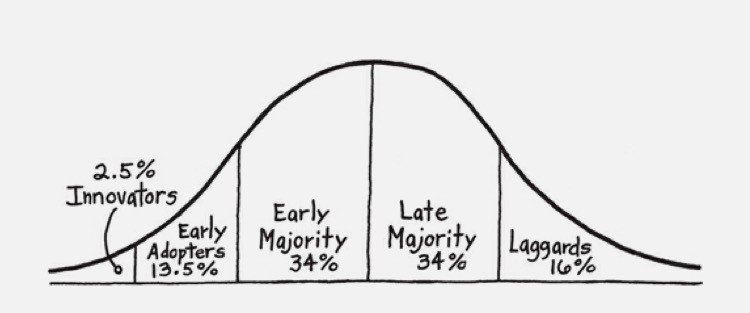
The diffusion of innovations is a theory that describes the pattern and speed at which new ideas, practices, or products spread through a population. The American communication theorist and sociologist, Everett Rogers’ in his book, “Diffusion of Innovations” introduced the term, early adapter. The main players in the theory are innovators, early adopters, early majority, late majority, and laggards and the book was first published in 1962.


That's the reality

“Heuristics” are the mental shortcuts human beings take when processing information and making decisions. Marketing teams are fully aware of how to use heuristics to simplify complex and difficult questions as they are fast and accurate ways to understand and influence behaviours.

Brands use the anchoring and adjustment heuristic to strategically set a product's price point. For example, an electronic retailer in Denmark lists a television at a higher price than its fair value, and the potential buyer will use that price as an indicator that they have received a bargain when purchasing the TV at the “sale” price.


Three wise men

I think there are certain people who are meant to serve and others that are not and it is your job to work as hard as possible to find people who you are meant to serve. And I believe you will find them when you show up fully self-expressed. Most marketing books are tactical, so they focus on quick solution, for example, just do this or do that. This is OK if you are looking for a quick fix, but this does not teach you how to build trust and credibility, or how to price your products or how to have simple sales conversations which is required if you are doing pay per click advertising.


We can be heroes

How can you make the customer the hero of the story?

The short answer is through customer experience, sales, and brand loyalty initiatives. Many organisations position their marketing around benefits and features of their products and services. The customer is the hero, not the brand and I think the focus should always be on the strategic outcomes that the customer needs. In other words, shift the focus from ‘us marketing’ to ‘customer marketing’. We all have the need for someone to show us the way and consumers don’t always buy the best products and services; they usually buy the ones they can understand the fastest. What the customer has to sense is that we have stepped into their story and we care about their pain.


It’s a symptom not a tactic

Many years ago, I heard Seth Godin say, “You should always start with the minimum viable audience, and the minimum viable audience (MVA) is the smallest group of people who we can imagine serving. Once the MVA have been identified, then we can be specific and if we can be specific, we will create something worthwhile and when we create something worthwhile, it’s easy to sell because it’s worthwhile.”


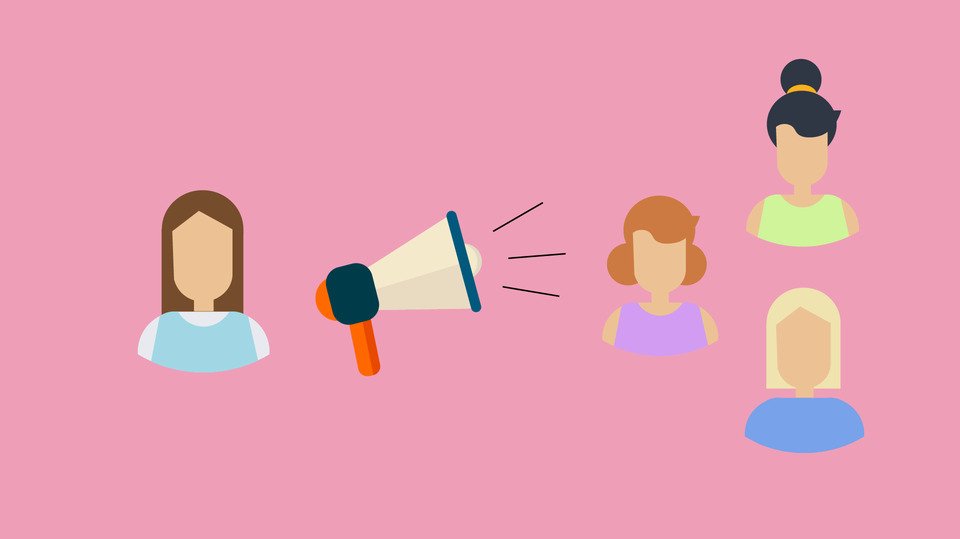
Social media isn’t the way you become popular, it’s after you are doing something important that people talk about you on social media. I’m a big fan of “word of mouth marketing”, I know it’s old school, but nothing beats the process of actively influencing and encouraging organic word of mouth discussion about a brand, organisation, or event. So, I think that if we can change the lives of 50 people then they will tell their friends and family. Imagine being a specific, unique entity that connects with people at a really deep level, just start by being really special and then the word will spread, and you will add more people.


Pleasure is a treasure

I started my presentation with “Generosity is scarce and generosity scales!” I think that generosity does not mean you give away things for free, it means you showed up with emotional labour to make things better and this can be expressed in many ways. For example:

1) Act like a caring person and not like a company. Show up with your version of the truth by being consistent and personal about what you believe.

2) Be generously persistent meaning when there is a way to make things better, continuously show up with it.

3) Earn permission, own the privilege position of being able to communicate with your audience. Don’t give away your power to Facebook and Instagram, own the connection with the people you seek to serve.


The customer always has the last word

As a marketer your job is to tell stories that are true and will change people, this all depends on what brand message you are trying to convey, and how you intend to drive revenue. I think the message is: “We are building a brand that stands for something, and when we think about where this brand is going then it’s about building a brand that is going to drive revenue for a long time and is worth something.”


If you don’t provide an experience, then you won’t have any customers. The question is whether you will choose to matter because that is the path that you really signed up for and if you do that work, everything else will take care of itself.


A gift on Monday

The sole purpose of marketing is to make a change, this is a big statement. Marketing is what we do when we want to change culture and behaviour, when we want things to be different. I think marketing is the work of telling a story that’s true to someone specific to help them see the world differently and take a different action, and if this change doesn’t happen then there is no marketing. Marketing is the generous act of leading people to get them to make things better.

To begin the marketing journey we have to be specific and ask ourselves two questions:

  • Who is it for? (Target audience)

  • What are the changes we seek to make? (How would they like to receive this content?)


The right competencies

I recently advised one of my clients that digital marketing is an excellent way to reach a large audience. And I also told them that using Google Ads - especially if they can use specific keywords - will help reach the right people and it’s easy to budget because you only pay for results.


What about influencers?
An influencer is someone who has a large following on social media and can influence what people buy or where they go. When a brand partners with an influencer, they usually get free products and services from the brand in return for posting about their experiences favourably. I think that linking up with influencers that align with your brand is a relatively simple way of boosting your social media marketing strategy, and it’s a great way to gain exposure on platforms you may not have a huge following on.


Sharing information across your campaigns

The idea that we can look somebody in the eyes and engage with them is scary for many people. When you work in sales and marketing this behaviour is the bare minimum of expected of you. Many organisations spend loads of money marketing their various products yet often their marketing strategies aren’t connected to one another, instead they use isolated campaigns without any formal unities. Why are they doing that? I think you should start correlating all of your marketing activities by streamlining your marketing strategy and messaging, as this will increase their effectiveness and put you in the spotlight for potential customers. Contact me via e-mail if you would like an evaluation of how to create a more unified marketing message for your organisation.


L is for language

What does the EBITDA abbreviation mean to you?
EBITDA means ‘earnings before interest, taxes, depreciation, and amortisation’, and this is how an organisation’s overall financial performance is measured. Do you use the language of business and of value creation? I think it’s time for marketing teams to move away from marketing jargon and encourage more discussions. Marketing teams should use their insight skills to communicate more effectively with the internal stakeholders, as this is about building relationships.


Do you know the difference?

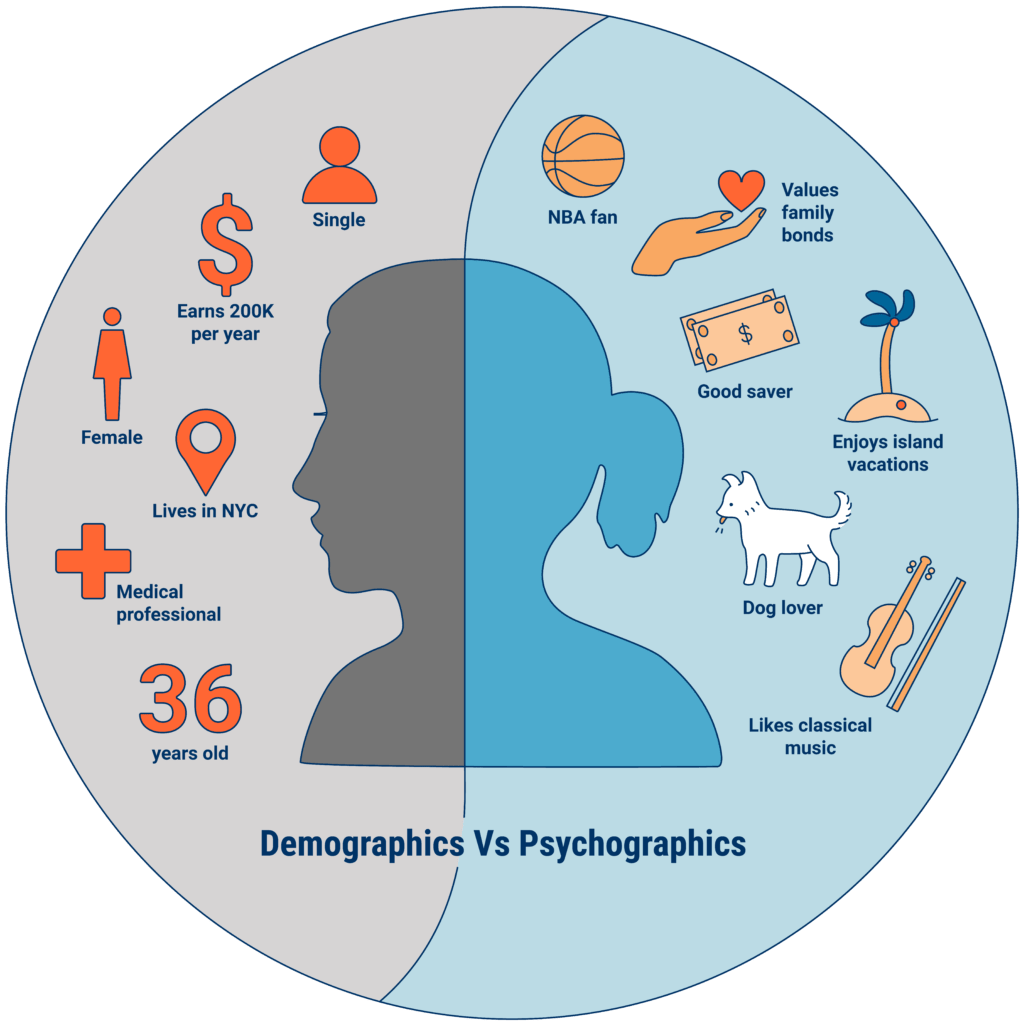
Demographics are an old-fashioned method and is only used by people who don’t want to understand psychographics. Demographics is all about what do you look like on the national census form, whereas psychographics are about what do you believe? What do you want? What do you dream about? I think that if I know that you drive a cabriolet, this far more informative for me than knowing that you are 45 years old and a woman. We need to find the choices people are already choosing to make and then help them make their dreams come true.


Focus on things under your control

Often, we focus on things that don’t matter and things that are beyond our control. In times of crisis, organisations often forget about their sales and marketing strategies because there’s so much else to focus on and this results in wasted time and wasted opportunities. For me it’s all about customer satisfaction, giving good advice and solving customer problems to improve their customer’s lives. 


I think knowing which things we should focus on is key to getting what we want. From my perspective, customer loyalty is truly satisfying and many of my customers have become real friends. Focusing on the human side instead of the sales and marketing side helps because visibility to attract new customers is key to expanding my customer base as I work in human-to-human industry. 


The feedback loop

The world is changing to compensate for our lack of focus and SoMe deliver endless feeds of bite-sized content, bombarding our brains with dopamine. Are you actively seeking out and welcoming customer feedback? Do you have systems in place to incorporate feedback? Are you familiar with the term “Feedback Loop”? It’s a system that helps organisations gather information about their products, services, and performance from people outside of their organisation. What feedback loop approach works best for your organisation depends on your structure and culture.


There are two components of a feedback loop: an action and a reaction. What makes it a “loop” is when the results of the reaction feed back into the process. The ways in which organisations design feedback loops makes a difference in whether or not responses actually get incorporated. Every business has to find their protocol. The challenge is to make sure you empower employees to make and embrace change. 


I think there are 3 Feedback Loop approaches:
1. Role Based Feedback
2. Direct Outreach
3. Social Listening
Following are three that can apply to any organisation of any size.
Contact me via e-mail for a deeper dive into your organisations feedback loop.