

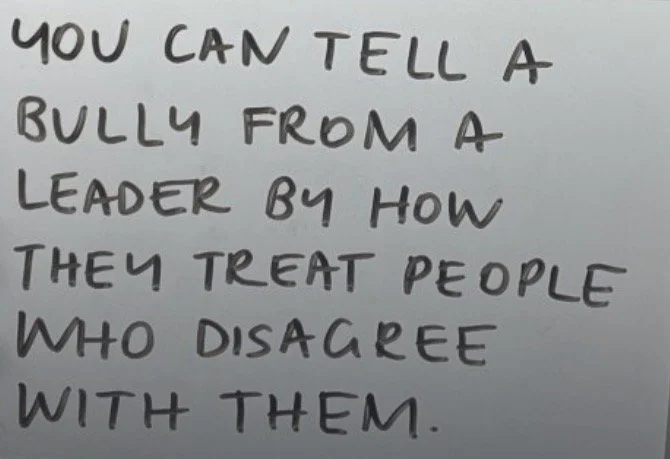
Roles can be replaced, but trust cannot, and loyalty, once lost, is rarely regained. This is where many leaders fall short. When people are treated as interchangeable resources rather than individuals, and talent is taken for granted, the long-term impact is often underestimated. The assumption that anyone can be replaced overlooks the relational capital that individuals build within teams and organisations. I think trust is developed over time, and loyalty is earned through consistent leadership behaviour. When these are compromised, the consequences are significant, and not always immediate. By the time this becomes visible, the individuals who contributed most to the organisation’s strength have often already chosen to leave.
Inequality is visible

If you are operating in an organisation where people are treated differently, the signals are visible. Retention rates vary, performance outcomes are inconsistent, and patterns begin to emerge across groups. This is not incidental, it is an indication of inequality and will be reflected in the outcomes people experience within the organisation.
When these disparities exist, they come at a cost. Individuals are less likely to perform at their full potential, and their sense of belonging is weakened. Over time, this leads to disengagement and, ultimately, attrition. For leaders and HR professionals, the question is not whether inequality exists, but whether it is being recognised, understood, and addressed with intention.
It's not a matter of price

When leaders focus primarily on holding onto their roles, it becomes difficult to advocate for coaching at the senior level. Yet coaching is one of the most powerful levers for both leadership development and DEIB progress. Senior management needs clear ROI: how coaching strengthens engagement, increases productivity, and improves retention. They also look for broader impact. How does coaching influence psychological safety, equitable decision-making, and inclusive leadership behaviours across the organisation?
These factors directly shape brand perception. Organisations that invest in leadership development and inclusive capability-building become employers of choice. This matters when attracting millennial and Generation Z talent, who consistently look for workplaces that demonstrate equity, purpose, and a commitment to people. Coaching is not a cost; it is a strategic investment in culture, performance, and sustainable growth.
Performance coaching

Our tailor-made coaching for performance solutions aims to foster a culture of respect and inclusivity. Creating a positive work environment boosts productivity, promotes teamwork, reduces turnover, and enhances employee satisfaction. We have found this approach to be ideal for retaining top talent, driving innovation, and achieving long-term growth and success. I think by investing in coaching for performance, you empower your employees to develop the skills they need to perform at their best and contribute to your organisation’s overall success.
“When you really listen to another person from their point of view, and reflect back to them that understanding, it’s like giving them emotional oxygen.”