
performative

Beyond performative inclusion

When organisations speak about inclusion, the conversation often focuses on representation, for example: How many women are in leadership? How many people from underrepresented backgrounds have been recruited? How diverse does the organisation appear? These are important questions, but they rarely tell the whole story. I think an equally important question is this: Who succeeds once they are inside the organisation, and why?

There are many ways to interpret why organisations continue to struggle with genuine inclusion. Some point to financial incentives, and others highlight the value of accessing diverse perspectives while leaving existing power structures untouched. Some describe this as performative inclusion or inclusivity-washing, where the language of inclusion advances more quickly than the culture itself. What do you think?
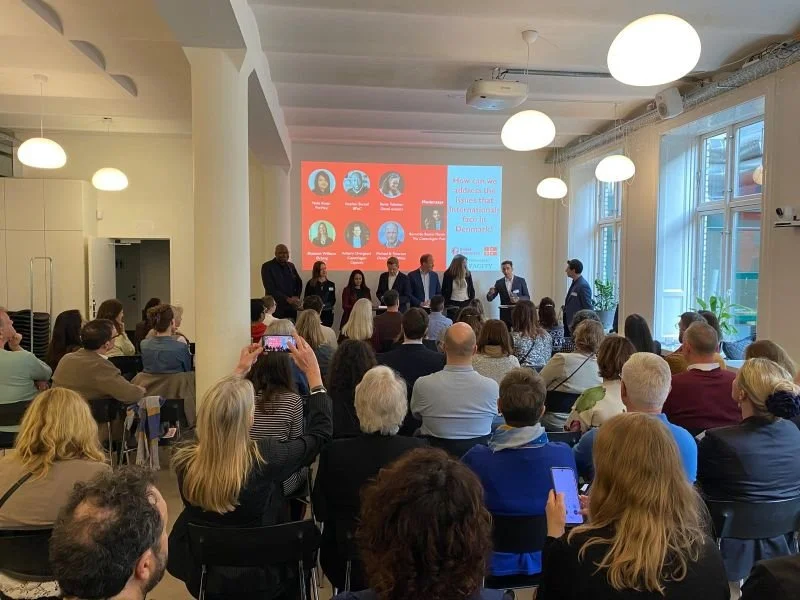

It was a full house

Performative inclusion occurs when organisations adopt the language of diversity without addressing the underlying structures that shape outcomes. In practice, this often looks like celebrating difference while maintaining rigid, one-size-fits-all expectations around productivity, communication, and behaviour.

When inclusion is treated as a branding exercise, it risks undermining the very intent it seeks to advance. Organisations communicate that people belong, yet the physical, sensory, or systemic barriers remain unchanged. I think true inclusion requires more than visibility as it demands a willingness to examine, challenge, and redesign the systems that define how people experience the organisation.

Are you ready to do the hard work? If so, contact me via email, and I’ll be happy to discuss how I could assist your organisation.