
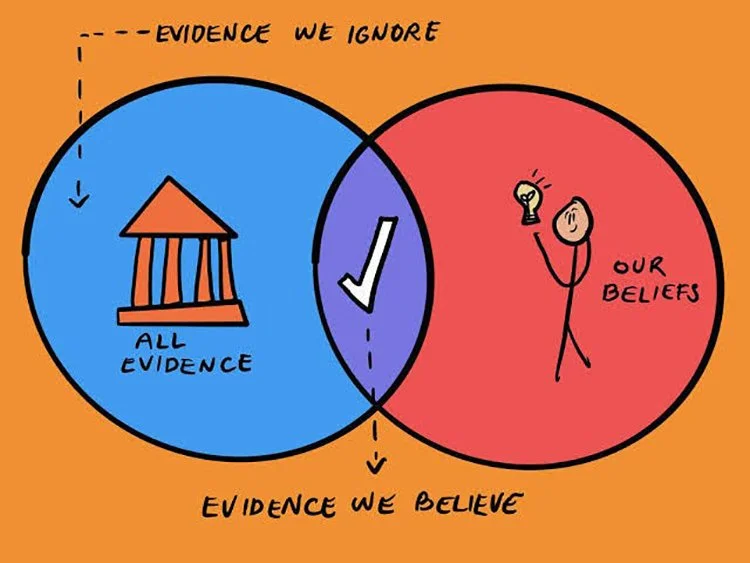
We all form early impressions about people and situations. The question is not whether we do it, but how aware we are of what follows. Once that first impression is in place, we tend to notice the information that confirms it, while overlooking what challenges it. This pattern, known as confirmation bias, can quietly shape how we listen, interpret, and respond to others.
Questions:
What assumptions did I make in this moment?
What might I be missing?
How would my perspective shift if I actively looked for disconfirming evidence?
I think in order to create a more inclusive workplace usually starts with slowing down these automatic patterns and choosing curiosity over certainty. What do you think?
