Logos

Brand associations

c/o @CardwellBeach

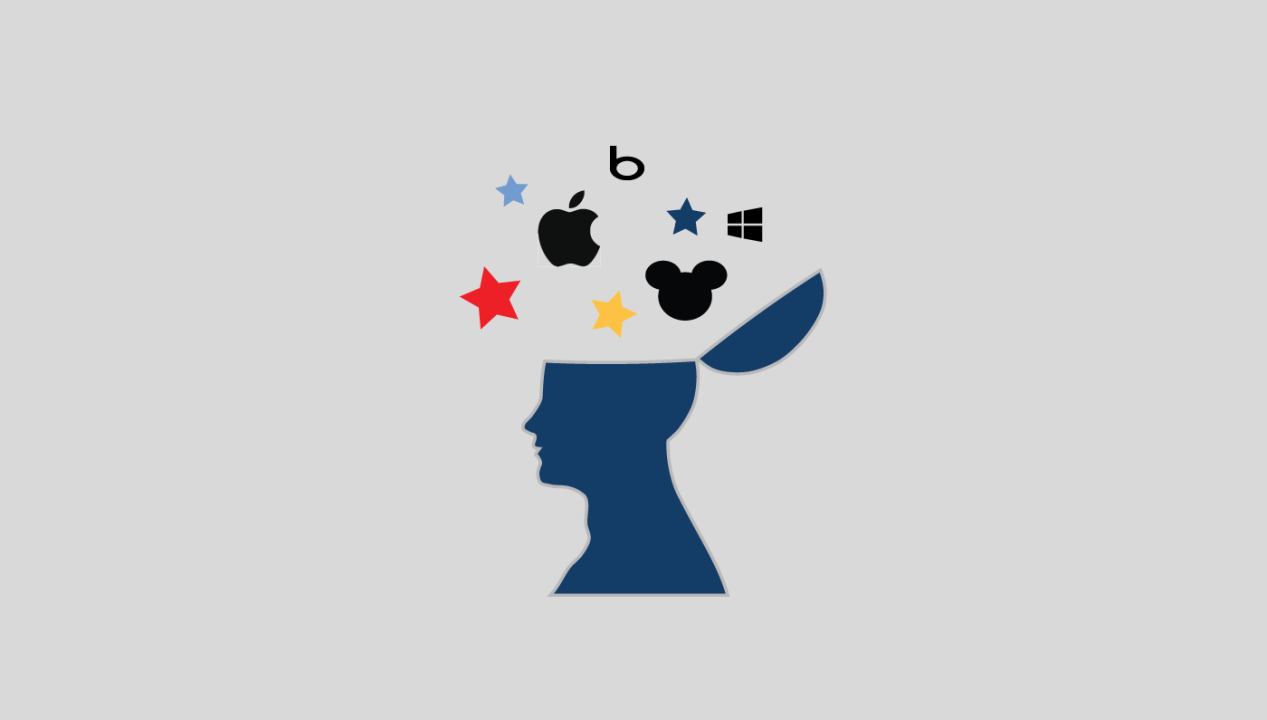
Branding is not defined by logos or visual identity alone, I think it’s shaped by the impression a business creates at every point of interaction with its customers. Every experience contributes to how the brand is perceived and remembered. And strong brands move beyond recognition to become embedded in everyday language and behaviour. There was a time when soft drinks were commonly referred to as “Coke,” and today, search engines are often synonymous with “Google.” This level of association reflects more than visibility, it reflects relevance and consistency over time. In an increasingly experience-driven market, brand loyalty has become a critical driver of retention. Customers who trust and connect with a brand are more likely to return, advocate, and contribute to its long-term growth.


The art of persuasion

What does it take to persuade people to act?
I think it comes down to three elements: Logos, Ethos, and Pathos.


1. Logos – Reason
People need to understand why they should act, the logic behind it, the benefits. Here’s the key: those benefits must be communicated from their point of view, not yours. This means the speaker must understand the audience’s assumptions, beliefs, and priorities and speak from there, not from their own agenda.


2. Ethos – Credibility
Who are you, and why should they listen to you?
 Credibility comes from two sources:

a) Who you are? Your background, authority, or shared values.

b) How you deliver? The tone, presence, and consistency of your message.

Even if your reasoning is strong, if you lack credibility, your message won’t land.


3. Pathos – Emotion
You can have logic and credibility, but without emotion, people don’t move. Your audience needs to feel something, for example, anger, pride, empathy, hope, even urgency. Emotion creates connection, and connection creates action.

When logos, ethos, and pathos are all present, your message doesn’t just inform it will inspires action.